Your heart works around the clock, beating approximately 100,000 times each day to pump oxygen-rich blood throughout your body. Most of the time, it performs this incredible job without you even thinking about it.
But when your heart isn’t functioning as well as it should, your body may begin sending warning signals. Some signs appear suddenly, while others develop gradually over weeks or months. Although these symptoms don’t always mean you have heart disease, they should never be ignored—especially if they are new, persistent, or worsening.
Recognizing potential warning signs early can lead to timely medical care and better outcomes.
Here are six signs that may indicate your heart health needs attention.
1. Chest Pain, Pressure, or Discomfort
Chest discomfort is one of the best-known symptoms of heart problems.
People often describe it as:
- Tightness
- Pressure
- Heaviness
- Squeezing
- Burning
- A feeling of fullness
The discomfort may stay in the center of the chest or spread to the shoulders, arms, neck, jaw, or upper back.
It’s important to remember that not every heart-related problem causes severe pain. Some people, particularly older adults, women, and people with diabetes, may experience mild discomfort or unusual pressure rather than intense pain.
When to Seek Emergency Care
Call your local emergency services immediately if chest pain:
- Lasts more than a few minutes.
- Returns after going away.
- Occurs with shortness of breath, sweating, nausea, dizziness, or fainting.
- Feels severe or crushing.
Prompt treatment can be lifesaving during a heart attack.
2. Shortness of Breath
Feeling unusually breathless during normal daily activities may be another warning sign.
You may notice:
- Difficulty climbing stairs.
- Becoming winded after a short walk.
- Needing extra pillows to sleep comfortably.
- Waking up at night struggling to breathe.
When the heart cannot pump blood efficiently, fluid can build up in the lungs, making breathing more difficult.
Shortness of breath can also result from lung disease, asthma, anemia, or other conditions, so medical evaluation is important.
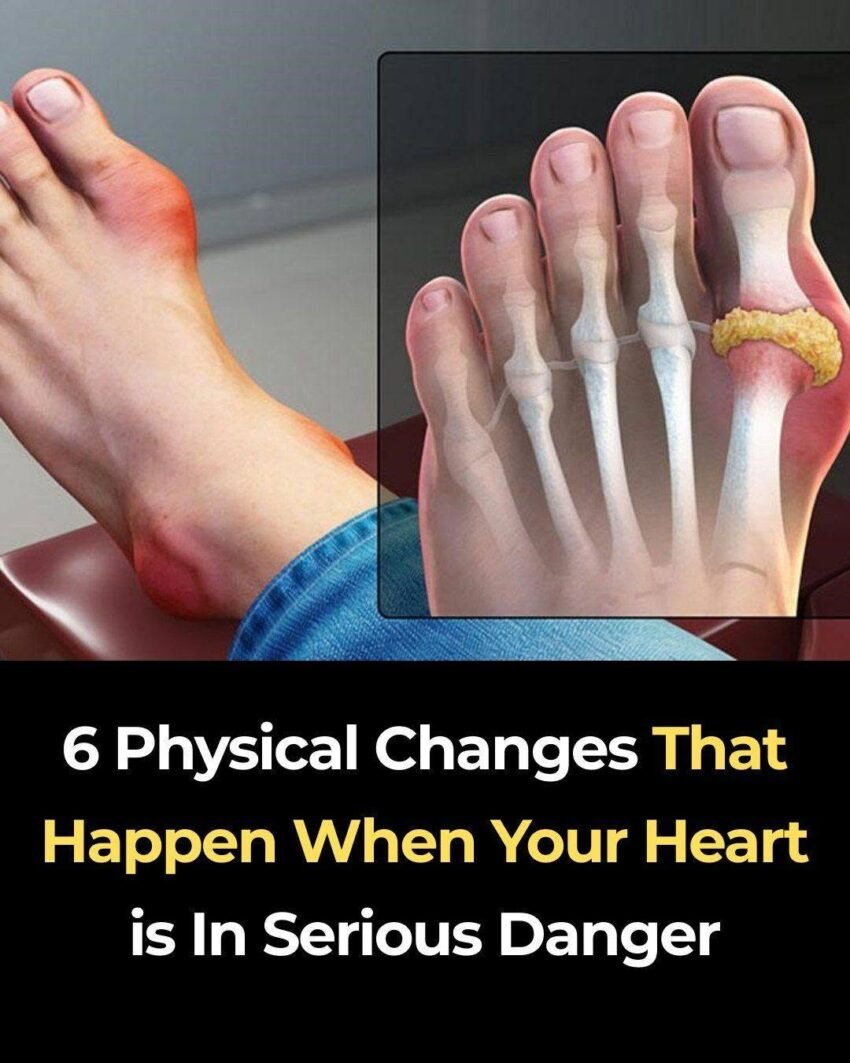
3. Swelling in the Feet, Ankles, or Legs
Persistent swelling in the lower legs may occur when the heart has difficulty pumping blood effectively.
As circulation slows, fluid may accumulate in body tissues, especially:
- Feet
- Ankles
- Lower legs
Some people also notice:
- Shoes becoming tighter.
- Socks leaving deeper marks.
- Rapid weight gain from fluid retention.
Swelling can also be caused by kidney disease, liver disease, certain medications, prolonged sitting, or venous problems. A healthcare professional can help determine the cause.
4. Unusual Fatigue
Everyone feels tired occasionally.
However, persistent, unexplained fatigue that interferes with daily activities deserves attention.
Some people notice:
- Extreme exhaustion after simple tasks.
- Needing frequent rest breaks.
- Feeling unusually weak for days or weeks.
Fatigue can be an early symptom of reduced blood flow or heart failure, although it is also associated with many other conditions, including poor sleep, thyroid disorders, anemia, depression, and infections.
If fatigue is new, severe, or accompanied by other symptoms, it’s worth discussing with your healthcare provider.
5. Dizziness or Fainting
Feeling lightheaded from standing up too quickly is common.
However, repeated episodes of dizziness or fainting may signal a problem with blood flow or heart rhythm.
Possible symptoms include:
- Feeling faint.
- Sudden weakness.
- Loss of balance.
- Passing out without warning.
Abnormal heart rhythms, low blood pressure, and certain heart conditions can reduce blood flow to the brain.
Because fainting can have many causes, prompt medical evaluation is important, particularly if episodes are recurrent or associated with chest pain or palpitations.
6. Irregular or Rapid Heartbeat
It’s normal to occasionally notice your heartbeat after exercise, stress, or caffeine.
But frequent sensations of:
- Racing heartbeat
- Fluttering
- Skipped beats
- Pounding in the chest
may indicate an abnormal heart rhythm, also called an arrhythmia.
Some arrhythmias are harmless, while others increase the risk of stroke or heart failure if left untreated.
If heart palpitations occur alongside chest pain, fainting, severe dizziness, or shortness of breath, seek urgent medical attention.
Who Is at Higher Risk for Heart Disease?
Several factors increase the likelihood of developing heart disease, including:
- High blood pressure
- High cholesterol
- Diabetes
- Smoking
- Obesity
- Physical inactivity
- Family history of heart disease
- Chronic kidney disease
- Older age
- Excessive alcohol consumption
- Chronic stress
The more risk factors you have, the more important it is to monitor your heart health and attend regular medical checkups.
How to Protect Your Heart
While some risk factors, such as age and genetics, cannot be changed, many healthy habits can significantly reduce your risk of heart disease.
Consider these heart-friendly lifestyle choices:
- Eat a balanced diet rich in vegetables, fruits, whole grains, legumes, nuts, and lean proteins.
- Limit foods high in saturated fat, trans fat, added sugars, and sodium.
- Aim for at least 150 minutes of moderate physical activity each week, if appropriate for your health.
- Maintain a healthy weight.
- Avoid smoking and exposure to secondhand smoke.
- Limit alcohol intake.
- Manage stress through relaxation techniques, physical activity, or hobbies you enjoy.
- Get enough quality sleep each night.
- Keep blood pressure, cholesterol, and blood sugar under control with regular checkups and treatment when needed.
Listen to Your Body
Your body often provides clues when something isn’t right. While these six signs do not automatically mean you have heart disease, they should not be ignored—especially if they are persistent, worsening, or occur together.
The earlier heart problems are identified, the more treatment options are available and the better the chances of preventing serious complications.
Final Thoughts
Your heart supports every organ in your body, making heart health one of the most important aspects of overall well-being.
Pay attention to symptoms such as chest discomfort, shortness of breath, swelling, unusual fatigue, dizziness, and irregular heartbeats. These signs may have many possible causes, but they deserve medical attention rather than guesswork.
If you experience severe chest pain, difficulty breathing, fainting, or other symptoms of a possible heart attack, seek emergency medical care immediately. Acting quickly can save heart muscle—and it may save your life.
By combining regular medical checkups with healthy daily habits, you can greatly improve your chances of maintaining a strong, healthy heart for years to come.