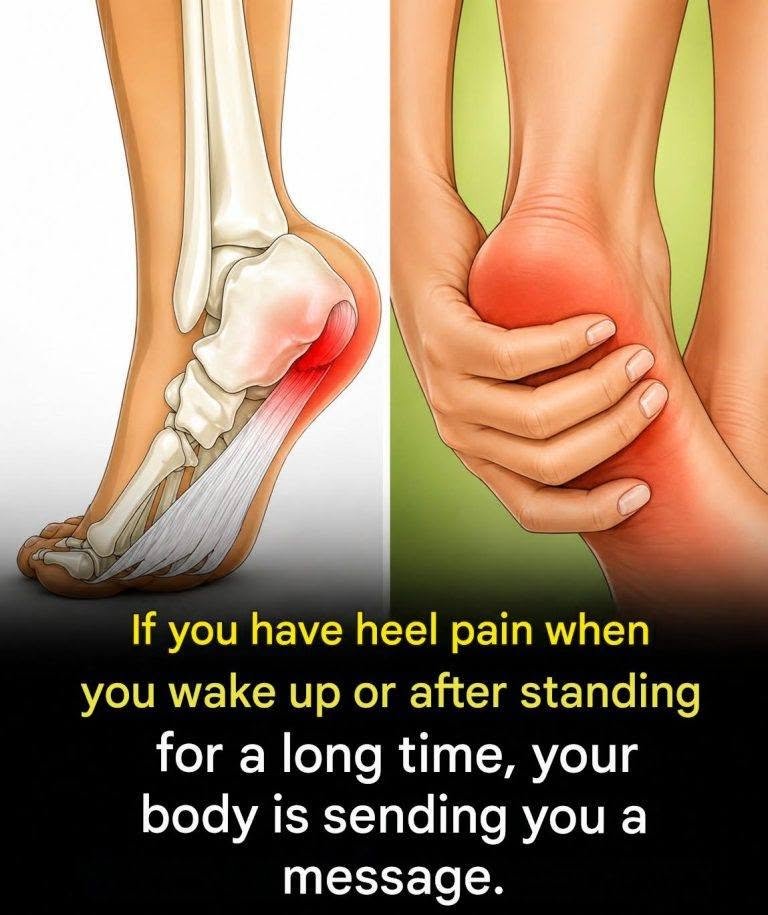
Discover 7 simple and effective exercises to help relieve plantar fasciitis naturally. Learn how gentle stretching and strengthening exercises can reduce heel pain, improve flexibility, and support long-term foot health.
Naturally Relieve Plantar Fasciitis with 7 Simple and Effective Exercises
Plantar fasciitis is one of the most common causes of heel pain, affecting people of all ages. Whether you’re an athlete, spend long hours on your feet, or simply enjoy walking, the sharp pain caused by plantar fasciitis can make everyday activities uncomfortable.
The good news is that many people find relief through a combination of stretching, strengthening, supportive footwear, and activity modification. Gentle exercises can help reduce tension on the plantar fascia, improve flexibility, and strengthen the muscles that support your feet.
This guide explains what plantar fasciitis is, its common causes and symptoms, and seven effective exercises that may help ease discomfort and support recovery.
What Is Plantar Fasciitis?
Plantar fasciitis is the irritation and degeneration of the plantar fascia, a thick band of connective tissue that runs from the heel bone to the base of the toes. It helps support the arch of the foot and absorbs stress during walking and running.
Repeated strain can lead to tiny tears in the tissue, resulting in heel pain and stiffness. Despite the name, long-standing plantar fasciitis is often more degenerative than inflammatory.
Common Symptoms
People with plantar fasciitis may experience:
- Sharp pain in the bottom of the heel
- Pain that is worse with the first steps in the morning
- Heel pain after long periods of sitting
- Discomfort after prolonged standing
- Pain that improves with gentle movement but may return after activity
- Tightness in the arch of the foot
- Tenderness when pressing on the heel
What Causes Plantar Fasciitis?
Several factors can increase your risk, including:
- Standing for long periods
- Running or high-impact activities
- Tight calf muscles
- Limited ankle flexibility
- Flat feet or very high arches
- Unsupportive or worn-out footwear
- Excess body weight
- A sudden increase in physical activity
1. Plantar Fascia Stretch
This stretch directly targets the plantar fascia.
How to Do It
- Sit comfortably in a chair.
- Cross the affected foot over the opposite knee.
- Hold the base of your toes and gently pull them toward your shin.
- You should feel a stretch along the arch of your foot.
- Hold for 20–30 seconds.
- Repeat 3–5 times.
Benefits
- Reduces tension in the plantar fascia
- Improves flexibility
- May decrease morning heel pain
2. Calf Stretch Against a Wall
Tight calf muscles can increase stress on the plantar fascia.
How to Do It
- Stand facing a wall.
- Place your hands on the wall at shoulder height.
- Step one foot back, keeping the knee straight and the heel flat.
- Bend the front knee until you feel a stretch in the back calf.
- Hold for 30 seconds.
- Repeat 3 times on each side.
Benefits
- Improves calf flexibility
- Increases ankle mobility
- Reduces strain on the heel
3. Soleus Stretch
This exercise targets the deeper calf muscle.
How to Do It
- Stand facing a wall.
- Place one foot behind the other.
- Bend both knees while keeping the back heel on the floor.
- Lean forward until you feel a stretch lower in the calf.
- Hold for 30 seconds.
- Repeat 3 times.
Benefits
- Improves ankle flexibility
- Helps reduce heel stress during walking
4. Towel Stretch
This gentle stretch is ideal before getting out of bed in the morning.
How to Do It
- Sit with your leg extended.
- Loop a towel around the ball of your foot.
- Gently pull the towel toward you while keeping your knee straight.
- Hold for 30 seconds.
- Repeat 3–5 times.
Benefits
- Stretches the plantar fascia and calf muscles
- May reduce pain with the first morning steps
5. Toe Towel Curls
Strengthening the small muscles in the foot helps improve support for the arch.
How to Do It
- Place a towel flat on the floor.
- Sit in a chair with your foot on the towel.
- Use your toes to scrunch the towel toward you.
- Relax and repeat for 2–3 minutes.
Benefits
- Strengthens the muscles of the foot
- Improves arch support
- Enhances foot stability
6. Marble Pickup Exercise
This exercise strengthens the toes and intrinsic foot muscles.
How to Do It
- Place 15–20 marbles on the floor.
- Use your toes to pick up one marble at a time.
- Drop each marble into a bowl.
- Repeat until all marbles have been moved.
Benefits
- Improves foot strength
- Enhances coordination
- Supports healthy foot mechanics
7. Heel Raises
Heel raises strengthen the calf muscles and improve foot function.
How to Do It
- Stand behind a sturdy chair for support.
- Slowly rise onto your toes.
- Hold for 2–3 seconds.
- Lower your heels slowly.
- Repeat 10–15 times for 2–3 sets.
As your strength improves, try performing the exercise on one leg if advised by a healthcare professional.
Benefits
- Strengthens the calves
- Improves balance
- Supports the foot during walking
Additional Tips for Recovery
In addition to regular exercises, these strategies may help:
- Wear supportive shoes with good arch support and cushioning.
- Replace worn-out athletic shoes regularly.
- Avoid walking barefoot on hard floors if it worsens your symptoms.
- Reduce or modify activities that increase heel pain.
- Apply an ice pack to the painful area for 15–20 minutes after activity if needed.
- Gradually return to higher-impact activities as symptoms improve.
- Maintain a healthy body weight to reduce stress on the feet.
When to See a Healthcare Professional
Seek medical advice if:
- Heel pain lasts longer than a few weeks despite self-care.
- You cannot bear weight on your foot.
- The pain is severe or worsening.
- You notice significant swelling, redness, or warmth.
- You have numbness, tingling, or weakness in the foot.
- You have diabetes or another condition that affects foot health.
A healthcare professional can confirm the diagnosis and recommend treatments such as physical therapy, orthotics, or other interventions if needed.
Frequently Asked Questions
How long does plantar fasciitis take to heal?
Many people improve over several months with consistent stretching, strengthening exercises, supportive footwear, and activity modification. Recovery time varies depending on the severity of the condition and adherence to treatment.
Is walking good for plantar fasciitis?
Gentle walking is often possible, but excessive walking or high-impact activities may worsen symptoms. Listen to your body and avoid activities that significantly increase pain.
Should I exercise if my heel hurts?
Mild discomfort during stretching can be normal, but exercises should not cause severe or worsening pain. Stop any exercise that causes sharp pain and consult a healthcare professional if symptoms persist.
Can plantar fasciitis come back?
Yes. Symptoms can return if contributing factors such as poor footwear, tight calf muscles, or sudden increases in activity are not addressed. Continuing with stretching and strengthening exercises may help reduce the risk of recurrence.
Final Thoughts
Plantar fasciitis can be frustrating, but many people experience meaningful improvement with consistent self-care. Gentle stretching and strengthening exercises, combined with supportive footwear and appropriate activity modification, can reduce stress on the plantar fascia and improve foot function over time. If your symptoms persist or interfere with daily activities, seek medical advice to ensure an accurate diagnosis and a treatment plan tailored to your needs.