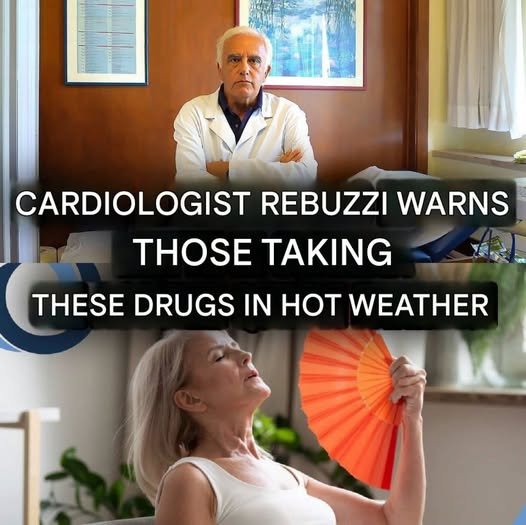
As temperatures rise during the summer months, staying cool becomes more than just a matter of comfort—it can be a matter of health. According to cardiologist Professor Antonio Rebuzzi, people who take certain heart and blood pressure medications should be especially cautious during periods of extreme heat. High temperatures can affect how the body regulates fluids and blood pressure, potentially increasing the risk of dehydration, dizziness, fainting, and other serious complications.
If you or a loved one takes medication for a heart condition, hypertension, or related health issues, understanding how heat interacts with these drugs is an important step toward staying safe.
Why Hot Weather Can Be Dangerous
Your body naturally cools itself by sweating. While this helps regulate body temperature, it also causes the loss of water and essential minerals such as sodium and potassium. During a heatwave, these losses can become significant, especially if you’re spending time outdoors or not drinking enough fluids.
Certain medications can make it harder for your body to adapt to these conditions. Some increase fluid loss, others reduce your ability to sweat, and some lower blood pressure even further when blood vessels naturally widen in the heat.
As a result, people taking these medications may experience:
- Dizziness or lightheadedness
- Low blood pressure
- Fatigue or weakness
- Muscle cramps
- Rapid heartbeat
- Fainting
- Heat exhaustion or heatstroke in severe cases
Older adults and people with chronic heart disease are particularly vulnerable.
Medications That May Require Extra Caution
Professor Rebuzzi highlights that patients should be aware of how heat may affect common cardiovascular medications. Importantly, you should never stop taking a prescribed medication without first consulting your healthcare provider.
Some of the medications that may require extra attention include:
1. Diuretics (“Water Pills”)
Diuretics help the body remove excess fluid through urination and are commonly prescribed for:
- High blood pressure
- Heart failure
- Swelling caused by kidney or liver disease
Because they increase fluid loss, hot weather can raise the risk of dehydration and electrolyte imbalance.
Common symptoms include:
- Excessive thirst
- Dry mouth
- Weakness
- Confusion
- Muscle cramps
Maintaining adequate hydration is essential unless your doctor has advised you to limit fluids.
2. Blood Pressure Medications
Several medications used to treat hypertension—including ACE inhibitors, angiotensin receptor blockers (ARBs), calcium channel blockers, and beta-blockers—may contribute to lower blood pressure during hot weather.
Since heat naturally causes blood vessels to expand, combining high temperatures with blood pressure medication can sometimes lead to:
- Feeling faint when standing up
- Blurred vision
- Fatigue
- Loss of balance
Standing up slowly and avoiding prolonged exposure to extreme heat may help reduce these effects.
3. Beta-Blockers
Beta-blockers slow the heart rate and reduce the heart’s workload.
However, they may also reduce the body’s ability to respond efficiently to heat and intense physical activity. Some people may find they tire more quickly during hot weather or strenuous exercise.
If you’re taking beta-blockers, it’s wise to pace outdoor activities and stay in shaded or air-conditioned areas during the hottest part of the day.
General Safety Tips During Hot Weather
If you’re taking heart or blood pressure medications:
- Drink water regularly unless your doctor has instructed you to restrict fluids.
- Avoid strenuous outdoor activity during peak afternoon heat.
- Wear lightweight, breathable clothing.
- Stay in cool or air-conditioned environments when possible.
- Monitor for symptoms such as dizziness, confusion, unusual fatigue, or fainting.
- Contact your healthcare provider if you experience concerning symptoms or think your medication may need adjustment during a heatwave.
Coming in Part 2: We’ll cover additional medications that can increase heat-related risks, warning signs that require immediate medical attention, and practical tips for protecting your heart during extreme summer temperatures.