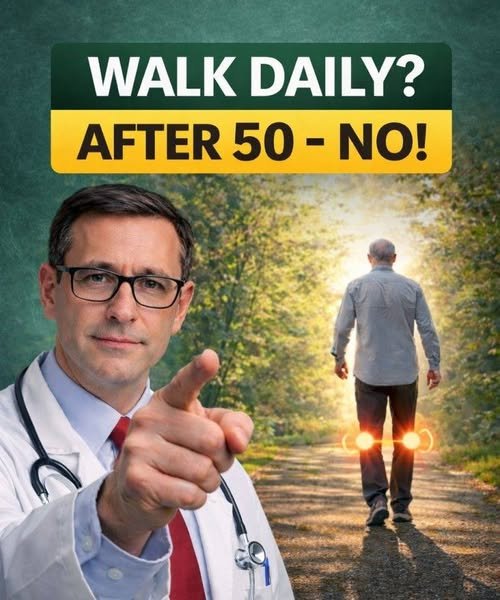
Walking is one of the safest, easiest, and most effective forms of exercise—especially after the age of 50. It supports heart health, strengthens muscles, improves balance, helps maintain a healthy weight, and even boosts mood. But while walking may seem simple, certain habits can reduce its benefits or even increase your risk of discomfort and injury.
Here are seven common walking mistakes people over 50 should avoid, along with practical tips to make every step count.
Why Walking Matters More After 50
As we age, our bodies naturally undergo changes. Muscle mass gradually declines, joints may become stiffer, and balance can become less stable. Regular walking helps counter these changes by improving circulation, maintaining bone strength, and supporting flexibility.
The key is not just walking more—but walking correctly.
1. Skipping Your Warm-Up
Many people head out the door and immediately start walking at full speed. However, muscles and joints need time to adjust, especially after long periods of sitting.
Starting too quickly can increase the risk of muscle strains, stiffness, or joint discomfort.
What to Do Instead
Begin with 5–10 minutes of slow, easy walking before gradually increasing your pace. Gentle ankle rolls, shoulder circles, and calf stretches can also help prepare your body.
2. Wearing the Wrong Shoes
Your feet absorb thousands of impacts during every walk. Shoes that are old, worn out, or poorly fitted may contribute to foot pain, knee discomfort, hip pain, or lower back problems.
Signs Your Shoes Need Replacing
- Worn-out soles
- Uneven tread
- Heel pain after walking
- Reduced cushioning
- Shoes older than 300–500 miles of use
Choose supportive walking shoes that fit comfortably and provide good arch support.
3. Looking Down While Walking
Constantly looking at your phone or staring at the ground places unnecessary strain on your neck and shoulders. Poor posture may also reduce balance and increase the risk of tripping.
Better Walking Posture
- Keep your head up.
- Look 10–20 feet ahead.
- Relax your shoulders.
- Engage your core.
- Let your arms swing naturally.
Good posture makes walking more efficient and comfortable.
4. Taking Steps That Are Too Long
Some people believe longer strides help them walk faster. In reality, overstriding can place extra stress on the knees, hips, and lower back.
The Better Approach
Take shorter, quicker steps instead of long ones. Allow your feet to land gently beneath your body, which improves stability and reduces joint strain.
5. Walking the Same Route at the Same Pace Every Day
Your body adapts to repeated routines. If every walk is identical, your fitness progress may eventually plateau.
Add Variety
Try changing:
- Your walking route
- Speed
- Terrain
- Distance
- Walking direction
- Small hills or gentle inclines
Adding variety challenges different muscles while keeping walks enjoyable.
6. Ignoring Pain
It’s normal to feel mild muscle fatigue after exercise, but persistent pain is different.
Pain should never be ignored—especially after age 50.
Warning Signs
- Sharp joint pain
- Swelling
- Persistent knee pain
- Hip pain
- Chest discomfort
- Severe shortness of breath
- Dizziness
If symptoms continue or worsen, stop exercising and consult a healthcare professional.
7. Forgetting Strength and Balance Training
Walking is excellent cardio exercise, but it doesn’t strengthen every muscle needed for healthy aging.
Doctors often recommend combining walking with strength and balance exercises to reduce fall risk and preserve independence.
Consider adding:
- Bodyweight squats
- Wall push-ups
- Resistance band exercises
- Heel raises
- Standing on one leg
- Gentle yoga or Tai Chi
Even two strength sessions each week can complement your walking routine.
Extra Tips for Healthier Walking After 50
To get the most from your walks:
- Walk at least 150 minutes each week if your doctor says it’s appropriate.
- Stay hydrated before and after walking.
- Wear breathable clothing suitable for the weather.
- Walk with a friend for motivation and safety.
- Avoid walking outdoors during extreme heat.
- Stretch gently after finishing your walk.
Benefits You May Notice
Consistent walking with proper technique may help improve:
- Heart health
- Blood pressure
- Blood sugar control
- Balance and coordination
- Joint flexibility
- Bone strength
- Mood and mental well-being
- Sleep quality
- Energy levels
- Weight management
When to Talk to Your Doctor
Before starting or significantly increasing your walking routine, speak with your healthcare provider if you have:
- Heart disease
- Diabetes
- Severe arthritis
- Balance problems
- Chronic lung disease
- Recent surgery
- Persistent joint pain
They can recommend an exercise plan that’s safe and tailored to your needs.
Final Thoughts
Walking remains one of the best exercises for healthy aging, but technique matters. Avoiding common mistakes—such as wearing poor footwear, skipping warm-ups, overstriding, or ignoring pain—can help you walk more comfortably and reduce your risk of injury.
Remember, the goal isn’t simply to walk farther or faster. It’s to build a sustainable routine that supports your health, mobility, and independence for years to come.
Disclaimer: This article is for informational purposes only and does not replace professional medical advice. Always consult a qualified healthcare provider before beginning a new exercise program, especially if you have existing medical conditions or experience pain during physical activity.