Your kidneys are among the hardest-working organs in your body, filtering around 50 gallons of blood every day to remove waste, balance fluids, regulate blood pressure, and support healthy red blood cell production. Because they perform so many essential functions, even minor kidney problems can affect your overall health.
The challenge is that kidney disease often develops silently. Many people don’t notice symptoms until the condition has progressed significantly. However, your body may send subtle warning signs long before serious damage occurs.
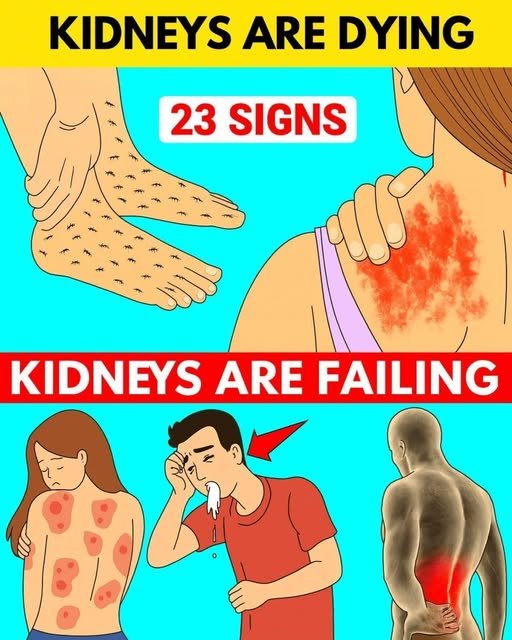
Here are 23 unusual signs that could indicate your kidneys need attention.
1. Persistent Fatigue
Healthy kidneys produce a hormone called erythropoietin, which helps your body make red blood cells. When kidney function declines, fewer red blood cells are produced, potentially leading to anemia and constant tiredness.
2. Swollen Feet and Ankles
When kidneys struggle to remove excess sodium and fluid, swelling may develop in the feet, ankles, legs, or even hands and face.
3. Puffy Eyes
Persistent puffiness around the eyes, especially in the morning, may be a sign that protein is leaking into your urine—a possible indicator of kidney damage.
4. Changes in Urination
Pay attention if you notice:
- Frequent urination, especially at night
- Less urine than usual
- Foamy or bubbly urine
- Blood in the urine
- Difficulty urinating
- Pain while urinating
These changes deserve medical evaluation.
5. Dry and Itchy Skin
Kidneys help maintain the balance of minerals and nutrients in your blood. Poor kidney function can lead to dry, itchy skin that doesn’t improve with moisturizers.
6. Muscle Cramps
Frequent cramps, particularly in the legs, may result from electrolyte imbalances caused by reduced kidney function.
7. Metallic Taste in the Mouth
A buildup of waste products in the bloodstream can alter your sense of taste, making food taste metallic or unpleasant.
8. Bad Breath
Waste accumulation in the blood may also contribute to persistent bad breath that doesn’t improve with brushing or mouthwash.
9. Poor Appetite
Many people with kidney problems gradually lose interest in food due to nausea and changes in taste.
10. Nausea and Vomiting
As toxins accumulate in the bloodstream, digestive symptoms such as nausea and vomiting may occur.
11. Difficulty Concentrating
Reduced kidney function and anemia can decrease oxygen delivery to the brain, affecting memory, concentration, and mental clarity.
12. High Blood Pressure
High blood pressure can both cause kidney disease and result from it. The two conditions often reinforce each other.
13. Shortness of Breath
Fluid buildup in the lungs or anemia associated with kidney disease may make breathing more difficult.
14. Trouble Sleeping
Some people with kidney disease experience insomnia, restless legs, or disrupted sleep patterns.
15. Persistent Back Pain
Pain near the lower back or sides, beneath the ribs, may sometimes be associated with kidney problems, though many cases of back pain have other causes.
16. Frequent Headaches
High blood pressure and anemia related to kidney disease may contribute to recurring headaches.
17. Ammonia-Like Breath Odor
Some people notice a urine-like or ammonia smell on their breath when waste products build up in the blood.
18. Trouble Catching Your Breath During Activity
Reduced oxygen-carrying capacity due to anemia may cause unusual breathlessness during everyday tasks.
19. Unexplained Weight Loss
Loss of appetite and ongoing nausea can contribute to unintended weight loss.
20. Restless Legs
An irresistible urge to move your legs, especially at night, has been linked to advanced kidney disease in some individuals.
21. Persistent Hiccups
Although uncommon, chronic hiccups have occasionally been associated with severe kidney dysfunction.
22. Feeling Cold All the Time
Anemia caused by kidney disease may make you feel unusually cold, even in warm environments.
23. Easy Bruising
Advanced kidney disease may interfere with normal blood clotting, making bruising more noticeable.
Who Is at Higher Risk?
You may have a greater risk of kidney disease if you have:
- Diabetes
- High blood pressure
- Heart disease
- Obesity
- A family history of kidney disease
- A history of smoking
- Age over 60
How to Protect Your Kidneys
Healthy habits can help reduce your risk of kidney disease:
- Stay well hydrated.
- Keep your blood pressure under control.
- Manage blood sugar if you have diabetes.
- Limit excess salt and highly processed foods.
- Exercise regularly.
- Avoid smoking.
- Use pain relievers such as NSAIDs only as directed, since frequent or high-dose use may affect kidney health.
- Get regular health checkups if you’re at higher risk.
When Should You See a Doctor?
One symptom alone doesn’t necessarily mean you have kidney disease. Many of these signs can have other, more common causes. However, it’s important to seek medical advice if you experience:
- Blood in your urine
- Persistent swelling
- Ongoing changes in urination
- Severe fatigue without explanation
- High blood pressure that’s difficult to control
- Multiple symptoms that persist for more than a few days or weeks
Simple tests such as a urine analysis, blood creatinine test, estimated glomerular filtration rate (eGFR), and urine albumin test can help assess kidney function.
Final Thoughts
Your kidneys often give subtle clues before serious problems develop. Paying attention to persistent changes in your body—and seeking medical evaluation when something doesn’t seem right—can lead to earlier diagnosis and better outcomes. While these 23 signs are worth knowing, they are not proof of kidney disease. If you’re concerned, consult a healthcare professional for proper testing and guidance.