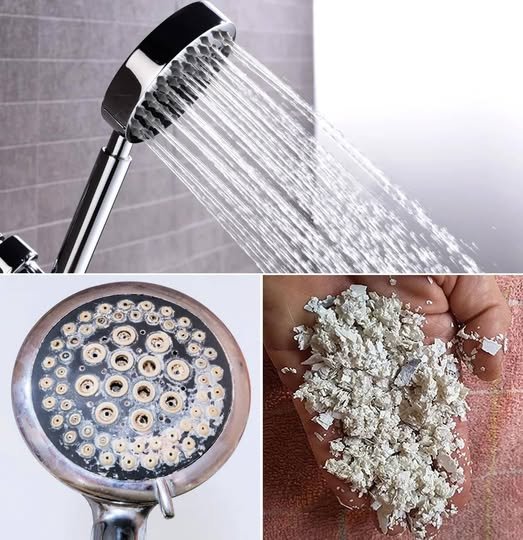
Is your morning shower feeling more like a weak drizzle than a refreshing spray? If water is trickling unevenly from your shower head or some nozzles aren’t working at all, mineral deposits and limescale are often to blame.
Fortunately, you don’t need to replace your shower head right away. With a few household items and a little time, you can often restore strong, even water flow.
Why Do Shower Head Holes Get Clogged?
Over time, water leaves behind mineral deposits—especially in areas with hard water. These deposits can block the tiny spray holes, reducing water pressure and causing water to spray in odd directions.
Other causes include:
- Soap scum buildup
- Rust particles from older plumbing
- Sand or sediment in the water supply
- Mold or mildew around the nozzles
Method 1: Clean with White Vinegar
White vinegar is a simple and effective way to dissolve mineral buildup.
What You’ll Need
- White vinegar
- A plastic bag
- A rubber band or twist tie
- An old toothbrush
- A soft cloth
Steps
- Fill a plastic bag with enough white vinegar to submerge the shower head.
- Place the bag over the shower head and secure it with a rubber band.
- Let it soak for 1–2 hours. For heavy buildup, you may leave it overnight (avoid prolonged soaking for certain finishes, such as some brass, gold, or matte-coated fixtures—check the manufacturer’s care instructions).
- Remove the bag and scrub the nozzles gently with a toothbrush.
- Turn on the shower for a few minutes to flush out loosened debris.
Method 2: Remove and Deep Clean the Shower Head
If soaking doesn’t solve the problem, remove the shower head for a more thorough cleaning.
Here’s How
- Unscrew the shower head from the shower arm.
- Soak it in warm white vinegar for several hours.
- Use a small brush or wooden toothpick to gently clear individual spray holes.
- Rinse thoroughly before reinstalling.
Avoid using metal pins or needles that could damage the rubber nozzles.
Method 3: Massage the Rubber Nozzles
Many modern shower heads have flexible rubber nozzles.
Simply rubbing them with your fingers can help break loose mineral deposits, allowing them to wash away when the water runs.
This quick maintenance step can be done every few weeks.
Check the Filter Screen
Some shower heads contain a small mesh filter where they connect to the pipe.
If it’s clogged:
- Remove the shower head.
- Take out the filter screen carefully.
- Rinse away debris under running water.
- Reinstall it before attaching the shower head again.
Cleaning this filter can noticeably improve water flow.
What If the Water Pressure Is Still Low?
If cleaning doesn’t help, the issue may not be the shower head.
Other possible causes include:
- A partially closed water shut-off valve
- Low household water pressure
- Sediment buildup inside plumbing
- A faulty pressure regulator (if your home has one)
- An aging or damaged shower head
If multiple faucets in your home have low pressure, the problem may be with your home’s plumbing rather than the shower head.
How to Prevent Future Clogs
Keep your shower head performing well with these simple habits:
- Wipe the nozzles after cleaning.
- Soak the shower head in vinegar every few months if you have hard water.
- Clean the filter screen periodically.
- Consider installing a water softener if hard water is a persistent issue.
Mistakes to Avoid
To avoid damaging your shower head:
- Don’t use harsh acids or bleach unless the manufacturer recommends them.
- Avoid abrasive scrubbers that can scratch the finish.
- Don’t force sharp metal objects into the spray holes.
- Tighten the shower head securely, but avoid overtightening when reinstalling it.
Final Thoughts
A clogged shower head is one of the most common reasons for weak water pressure, but it’s also one of the easiest household problems to fix. In many cases, a simple soak in white vinegar and a gentle cleaning are enough to remove mineral deposits and restore a strong, even spray.
If you’ve cleaned the shower head thoroughly and the pressure is still poor, it may be time to investigate your home’s plumbing or consult a qualified plumber. Regular maintenance can help keep your shower performing at its best and extend the life of your fixture.