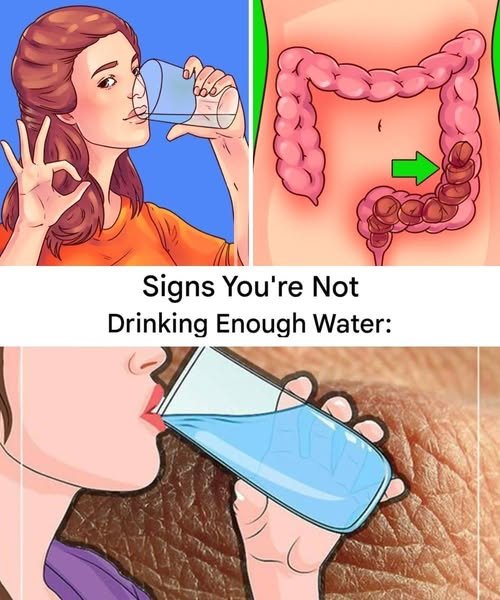
Water is essential for life, yet many people go through their day without drinking enough of it. Whether you’re busy at work, simply forget to refill your water bottle, or mistake thirst for hunger, chronic dehydration can have a bigger impact on your health than you might realize.
Your body is made up of about 60% water, and nearly every organ relies on it to function properly. Water helps regulate body temperature, transport nutrients, lubricate joints, support digestion, remove waste, and keep your brain functioning at its best.
When you don’t drink enough water, your body begins to compensate—but over time, dehydration can affect everything from your energy levels to your kidneys.
Here’s what can happen when your body doesn’t get the water it needs.
1. You Feel Tired and Low on Energy
One of the earliest signs of dehydration is fatigue.
Even mild dehydration can reduce blood volume, making your heart work harder to deliver oxygen and nutrients throughout your body. This can leave you feeling sluggish, weak, and less motivated to complete everyday tasks.
If you feel unusually tired, drinking a glass of water may help if dehydration is contributing to the problem.
2. Your Brain Doesn’t Work as Well
Your brain is highly sensitive to changes in hydration.
Not drinking enough water may lead to:
- Difficulty concentrating
- Brain fog
- Poor memory
- Slower thinking
- Mood changes
- Irritability
- Headaches
Studies suggest that even mild dehydration can affect attention, reaction time, and cognitive performance.
3. You May Get Headaches More Often
Dehydration is a common trigger for headaches in some people.
When your body loses too much fluid, the brain may temporarily shrink slightly due to fluid loss, pulling away from the skull and stimulating pain-sensitive tissues.
If you notice headaches after exercising, spending time in the heat, or forgetting to drink water, dehydration may be one possible cause.
4. Your Mouth and Skin Become Dry
Water helps keep your body’s tissues hydrated.
Without enough fluids, you may notice:
- Dry mouth
- Sticky saliva
- Chapped lips
- Dry skin
- Less skin elasticity
While drinking more water alone won’t solve every skin concern, staying hydrated supports overall skin health.
5. Digestion Slows Down
Your digestive system depends on water.
When you’re dehydrated, your body absorbs more water from the intestines, making stool harder and more difficult to pass.
This increases the risk of:
- Constipation
- Hard stools
- Bloating
- Digestive discomfort
Drinking enough water, along with eating fiber-rich foods, helps support healthy digestion.
6. Your Kidneys Work Harder
The kidneys filter waste products from your blood and help maintain the body’s fluid balance.
Without enough water:
- Urine becomes darker and more concentrated.
- Waste products become more difficult to eliminate.
- The risk of kidney stones may increase in susceptible individuals.
- Severe dehydration can contribute to kidney injury.
A pale yellow urine color often indicates good hydration, though medications, supplements, and certain foods can also affect urine color.
7. Your Heart Has to Work Harder
When you’re dehydrated, blood volume decreases.
To compensate, your heart may beat faster to maintain blood flow.
This can contribute to:
- Increased heart rate
- Dizziness
- Feeling lightheaded, especially when standing up quickly
People with heart conditions should follow their healthcare provider’s advice about fluid intake.
8. Your Muscles May Cramp
Water and electrolytes work together to help muscles contract and relax properly.
When fluids are low, especially after heavy sweating, you may be more likely to experience:
- Muscle cramps
- Muscle fatigue
- Reduced physical performance
Replacing both fluids and electrolytes after prolonged exercise or illness is important.
9. Your Body Struggles to Stay Cool
Sweating is your body’s natural cooling system.
Without enough water, you produce less sweat, making it harder to regulate body temperature.
This increases the risk of:
- Heat exhaustion
- Heat cramps
- Heatstroke during extreme conditions
Older adults, young children, and people exercising in hot weather are especially vulnerable.
10. You May Mistake Thirst for Hunger
Sometimes what feels like hunger is actually thirst.
Mild dehydration can cause:
- Cravings
- Unnecessary snacking
- Difficulty recognizing true hunger
Drinking a glass of water before reaching for a snack may help you better understand what your body needs.
How Much Water Do You Really Need?
There’s no one-size-fits-all answer. Your fluid needs depend on factors such as:
- Age
- Body size
- Activity level
- Climate
- Pregnancy or breastfeeding
- Certain health conditions
Many healthy adults do well by drinking when they’re thirsty and increasing fluids during hot weather, exercise, or illness. You can also get water from foods like fruits, vegetables, soups, and milk.
Signs You May Be Dehydrated
Watch for these common symptoms:
- Thirst
- Dark yellow urine
- Urinating less often
- Dry mouth
- Headache
- Fatigue
- Dizziness
- Dry skin
- Muscle cramps
Severe dehydration may cause confusion, rapid heartbeat, fainting, or an inability to keep fluids down. This requires prompt medical attention.
Easy Ways to Stay Hydrated
Keeping hydrated doesn’t have to be difficult. Try these simple habits:
- Carry a reusable water bottle.
- Drink a glass of water when you wake up.
- Sip water regularly throughout the day.
- Eat water-rich foods like watermelon, cucumbers, oranges, and strawberries.
- Drink extra fluids during hot weather and after exercise.
- Limit excessive alcohol, which can contribute to dehydration.
Final Thoughts
Water is one of the simplest yet most important nutrients your body needs every day. From supporting brain function and digestion to protecting your kidneys and regulating body temperature, staying hydrated plays a vital role in overall health.
While occasional mild dehydration is common, making a habit of drinking enough fluids can help you feel more energetic, think more clearly, and support your body’s normal functions. If you experience ongoing symptoms of dehydration despite drinking enough fluids, or if you have a medical condition that affects your fluid needs, consult a healthcare professional for personalized advice