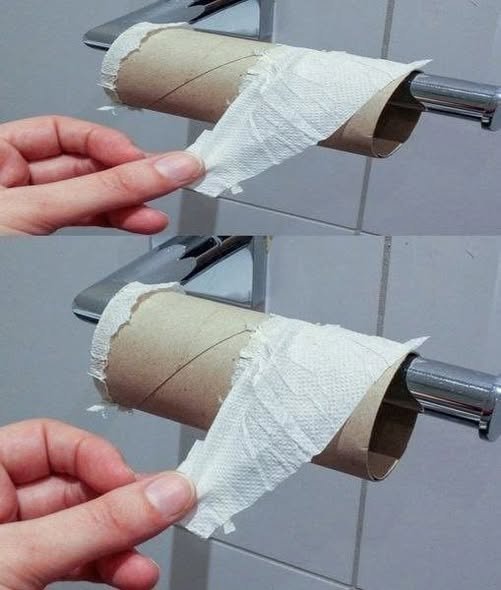
For decades, toilet paper has been a bathroom essential in homes around the world. But growing concerns about hygiene, environmental impact, and sustainability have many people wondering whether its days are numbered.
While toilet paper isn’t disappearing anytime soon, several modern alternatives are becoming increasingly popular. From high-tech bidets to reusable options, these innovations aim to reduce waste, improve cleanliness, and offer a more eco-friendly bathroom experience.
Here’s a look at what’s driving the shift—and what could become the future of personal hygiene.
Why People Are Looking Beyond Toilet Paper
Traditional toilet paper is convenient, but it has some drawbacks.
Its production requires:
- Large amounts of trees
- Significant water consumption
- Energy-intensive manufacturing
- Plastic packaging and transportation
In addition, many people find that washing with water provides a cleaner feeling than wiping alone.
The Rise of Bidets
One of the fastest-growing alternatives is the bidet.
Modern bidets range from simple handheld sprayers to advanced toilet seats with features like:
- Adjustable water pressure
- Warm water washing
- Heated seats
- Warm air drying
- Self-cleaning nozzles
- Adjustable spray positions
Many households that switch to bidets report using far less toilet paper, though most still keep some on hand for drying.
Handheld Bidet Sprayers
A more affordable option is the handheld bidet sprayer.
These devices attach to existing plumbing and allow users to rinse with water after using the toilet.
Benefits include:
- Lower cost than full bidet seats
- Easy installation
- Reduced toilet paper use
- Improved hygiene for many users
Reusable Cloth Wipes
Some environmentally conscious households choose washable cloth wipes.
Typically made from soft cotton or bamboo fabric, they’re washed after use and reused many times.
While they reduce paper waste, they require careful laundering and aren’t suitable for everyone.
Bamboo Toilet Paper
For people who prefer traditional toilet paper, bamboo versions are becoming more common.
Because bamboo grows much faster than most trees, it can be a more renewable source of fiber.
Many bamboo toilet paper products are also:
- Biodegradable
- Plastic-free
- Made without chlorine bleaching
- Packaged in recyclable materials
Wet Toilet Tissue
Flushable wet wipes have also gained popularity, but consumers should use caution.
Many products labeled “flushable” do not break down as easily as standard toilet paper and may contribute to clogged pipes or sewer system problems. In many cases, disposing of them in the trash is the safer option.
Will Toilet Paper Really Disappear?
Probably not.
Toilet paper remains affordable, widely available, and convenient. Instead of disappearing completely, it’s more likely to become part of a broader range of hygiene options.
Many homes now combine:
- A bidet for washing
- A small amount of toilet paper for drying
- Eco-friendly paper products when needed
This approach reduces waste while maintaining convenience.
Environmental Benefits of Using Less Toilet Paper
Reducing toilet paper consumption can help:
- Lower demand for virgin wood pulp
- Reduce household waste
- Cut water and energy used in manufacturing
- Decrease packaging waste over time
Even modest reductions can have a positive environmental impact when adopted by many households.
Is a Bidet Right for You?
A bidet may be worth considering if you:
- Want to reduce toilet paper use
- Prefer washing with water
- Have sensitive skin
- Are looking for a more environmentally friendly bathroom routine
- Want improved comfort after surgery or during certain medical conditions (with guidance from your healthcare provider)
The Bottom Line
Despite headlines claiming toilet paper is about to disappear, that’s unlikely in the foreseeable future. Instead, bathrooms are gradually evolving. Bidets, handheld sprayers, bamboo toilet paper, and other sustainable alternatives are giving consumers more choices than ever before.
Rather than replacing toilet paper entirely, these options are helping many households use less of it while improving hygiene and reducing environmental impact. The future of bathroom care isn’t about one perfect solution—it’s about choosing the option that best fits your needs, budget, and lifestyle.