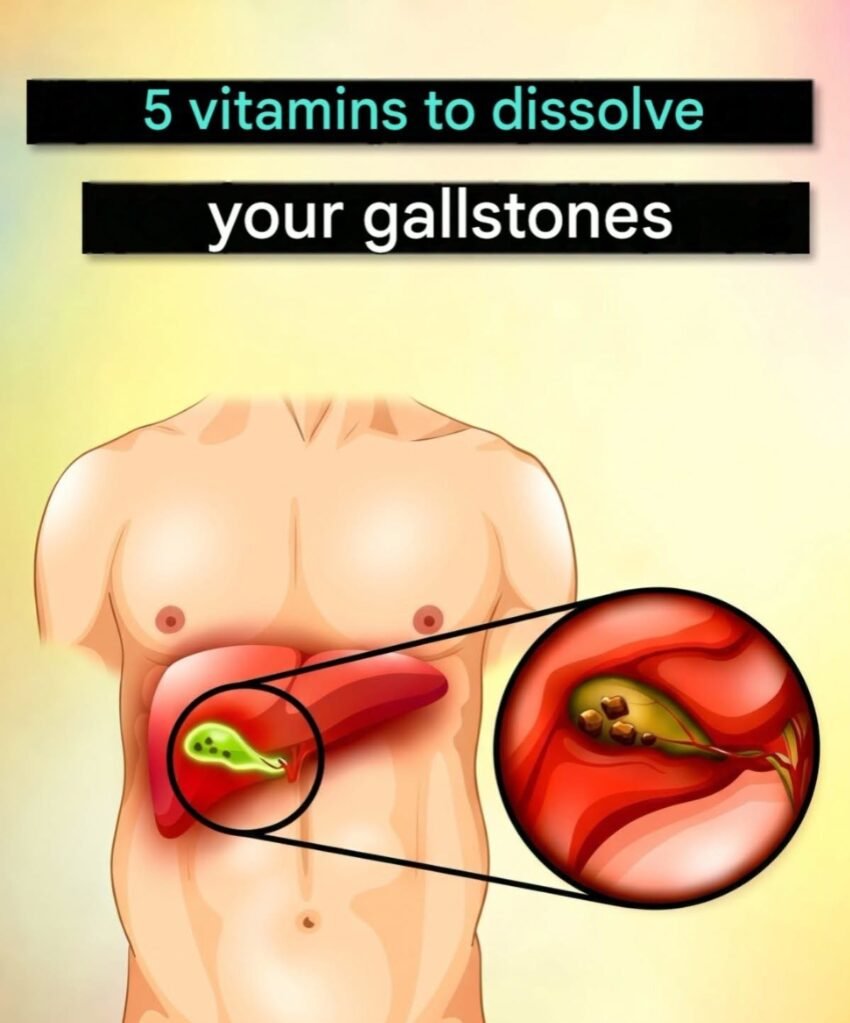
Have you ever enjoyed a rich, greasy meal and later noticed a sharp ache or uncomfortable pressure under your ribs? For many people, this type of discomfort can be linked to how the body processes fats—especially the role of the gallbladder.
The gallbladder is a small organ located beneath the liver. Its main job is to store and release bile, a digestive fluid that helps break down fats. When you eat a high-fat meal, your gallbladder contracts and releases bile into the small intestine to help with digestion.
But when the gallbladder is irritated or not functioning properly, fatty foods may trigger uncomfortable symptoms.
Common Signs of Gallbladder Discomfort
Symptoms may include:
- Pain or pressure under the right side of the ribs
- Discomfort after eating fried or fatty foods
- Bloating or indigestion
- Nausea
- Feeling overly full after meals
- Pain that may spread to the back or right shoulder
Not everyone with these symptoms has a gallbladder problem, but recurring discomfort deserves attention.
Why Fatty Foods Can Trigger Symptoms
Fat requires more bile for digestion. A heavy, high-fat meal can make the gallbladder work harder.
Foods that commonly trigger symptoms in some people include:
- Fried foods
- Fatty cuts of meat
- Butter and cream-based dishes
- Fast food
- Large portions of rich desserts
Keeping a food diary can help identify personal triggers.
Natural Ways to Support Gallbladder and Digestive Health
While home remedies cannot remove gallstones or replace medical treatment, healthy habits may support digestion and reduce discomfort for some people.
1. Choose Healthier Fats
Your body still needs healthy fats, but the type and amount matter.
Try including:
- Olive oil
- Avocado
- Nuts and seeds
- Fatty fish such as salmon
Limit excessive amounts of fried and highly processed fats.
2. Increase Fiber Intake
Fiber supports healthy digestion and may help regulate how your body handles fats.
Good sources include:
- Vegetables
- Fruits
- Beans
- Lentils
- Whole grains
Increase fiber gradually to avoid extra bloating.
3. Eat Smaller Meals
Large, heavy meals can put more strain on digestion.
Instead of one very rich meal, try:
- Smaller portions
- More balanced meals
- Eating slowly
4. Stay Hydrated
Water supports normal digestion and helps the body function properly.
Aim to drink enough fluids throughout the day, especially in hot weather or after physical activity.
5. Maintain a Healthy Weight Gradually
Rapid weight loss can increase the risk of gallstone formation in some people.
If weight loss is your goal, gradual changes through balanced eating and regular activity are generally recommended.
Be Careful With “Gallbladder Cleanses”
You may see claims online about drinks or mixtures that “flush out” gallstones. There is no reliable scientific evidence that these cleanses remove gallstones, and some may cause digestive problems.
If you have symptoms, it is safer to get proper medical advice.
When Should You Seek Medical Help?
Contact a healthcare professional if you experience:
- Severe or worsening pain under the ribs
- Pain lasting several hours
- Fever or chills
- Yellowing of the skin or eyes
- Dark urine or pale stools
- Repeated vomiting
These symptoms can indicate a more serious issue that needs prompt evaluation.
The Bottom Line
Pain under the ribs after a fatty meal can be a sign that your digestive system is struggling with rich foods, and in some cases it may involve the gallbladder. Supporting digestion through a balanced diet, healthy fats, fiber, hydration, and mindful portions can help many people feel better.
However, persistent or severe symptoms should not be ignored—because conditions like gallstones or gallbladder inflammation may require medical care rather than natural remedies alone.