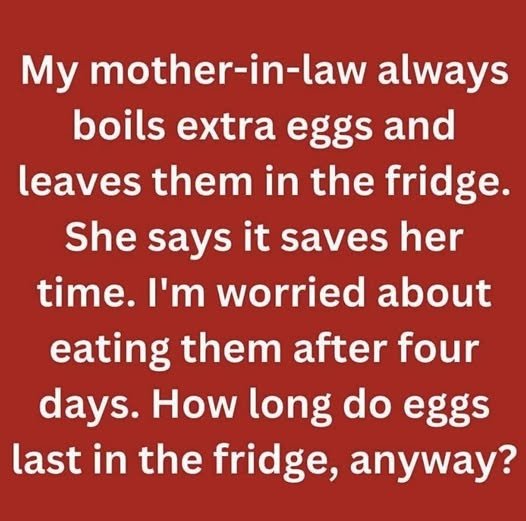
Hard-boiled eggs are one of the easiest, healthiest, and most versatile foods you can keep on hand. They’re packed with protein, convenient for busy mornings, and perfect for salads, sandwiches, or a quick snack. But because they contain moisture and protein, they can also become unsafe to eat if stored improperly.
So, how long do hard-boiled eggs actually last in the refrigerator? The answer depends on how they’re stored and whether they’ve been peeled.
The General Rule
When refrigerated promptly after cooking, hard-boiled eggs can last up to one week (7 days).
This recommendation is widely supported by food safety experts. To keep them fresh:
- Refrigerate them within 2 hours of cooking.
- Store them at 40°F (4°C) or below.
- Keep them in a clean, covered container or in their original egg carton if they’re still in the shell.
Following these simple steps helps reduce the risk of bacterial growth and keeps the eggs tasting their best.
Peeled vs. Unpeeled: Which Lasts Longer?
Not all hard-boiled eggs have the same shelf life.
Unpeeled Hard-Boiled Eggs
Eggs that remain in their shells stay fresher longer because the shell acts as a natural protective barrier against moisture loss and bacteria.
Shelf life: Up to 7 days in the refrigerator.
Peeled Hard-Boiled Eggs
Once the shell is removed, the egg is exposed to air and can dry out more quickly. Peeled eggs should be stored in an airtight container. If desired, place a damp paper towel over them (without making them soggy) to help retain moisture.
Shelf life: Best eaten within 5–7 days if continuously refrigerated.
How to Store Hard-Boiled Eggs Properly
Proper storage makes a big difference in freshness.
- Allow eggs to cool before refrigerating.
- Store them in a covered container to prevent them from absorbing refrigerator odors.
- Label the container with the cooking date.
- Keep them on a refrigerator shelf rather than in the door, where temperatures fluctuate more often.
- Avoid leaving them at room temperature for extended periods.
Signs Your Hard-Boiled Eggs Have Gone Bad
Even if an egg is within the recommended storage time, inspect it before eating.
Throw the egg away if you notice:
- A sour or unpleasant odor.
- A slimy or sticky surface.
- Mold or unusual discoloration.
- Cracks that occurred during storage and show signs of contamination.
- An unusual taste or texture.
When in doubt, it’s safest to discard the egg.
Can You Freeze Hard-Boiled Eggs?
Freezing whole hard-boiled eggs is generally not recommended.
The cooked egg whites become rubbery, watery, and unpleasant after thawing. If you want to freeze them, it’s better to freeze only the cooked yolks, which hold their texture much better.
Does the Green Ring Around the Yolk Mean the Egg Is Bad?
Many people worry when they see a greenish-gray ring around the yolk.
The good news is that this ring is completely harmless. It forms when eggs are cooked for too long or at too high a temperature, causing sulfur in the egg white to react with iron in the yolk. While it may affect appearance, it doesn’t mean the egg is spoiled.
Tips for Keeping Hard-Boiled Eggs Fresh
- Cook only the number you’ll eat within a week.
- Leave the shells on until you’re ready to eat them.
- Refrigerate promptly after cooking.
- Avoid repeated temperature changes by returning eggs to the refrigerator soon after serving.
- Mark the cooking date to avoid guessing later.
Healthy Ways to Enjoy Hard-Boiled Eggs
Hard-boiled eggs are incredibly versatile and can be enjoyed in many ways:
- Slice them onto avocado toast.
- Add them to green salads.
- Make classic egg salad.
- Pair them with fresh vegetables for a high-protein snack.
- Chop them into potato salad or pasta salad.
- Enjoy them with a sprinkle of salt, pepper, paprika, or your favorite seasoning blend.
Final Thoughts
Hard-boiled eggs are a nutritious and convenient food that can safely last up to 7 days in the refrigerator when stored properly. Keeping them refrigerated, minimizing exposure to air, and watching for signs of spoilage will help ensure they remain safe and delicious.
If you’re unsure how long an egg has been stored or notice any unusual smell, texture, or appearance, it’s always better to throw it away than risk foodborne illness.