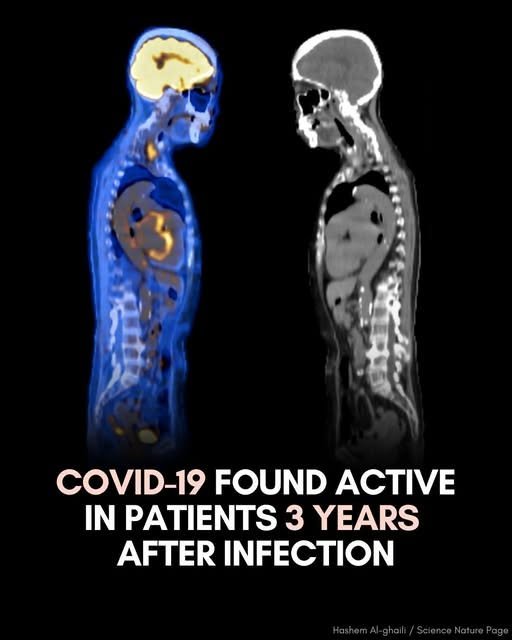
For many people, recovering from COVID-19 meant a week or two of illness followed by a return to normal life. But for millions around the world, the story didn’t end when the initial infection cleared. Months—or even years—later, they continue to experience lingering symptoms such as fatigue, brain fog, shortness of breath, and muscle pain. This condition, commonly known as Long COVID, has puzzled scientists since the pandemic began.
Now, new research is shedding light on a possible explanation: fragments of the virus—or, in some cases, evidence suggesting persistent viral material—may remain in the body far longer than previously thought. While these findings are significant, researchers caution that they do not necessarily mean the virus remains actively infectious for years.
What Is Long COVID?
Long COVID, also called Post-Acute Sequelae of SARS-CoV-2 Infection (PASC), refers to symptoms that persist or develop weeks or months after the initial COVID-19 infection. It can affect anyone, regardless of age or how severe their original illness was.
Common symptoms include:
- Persistent fatigue
- Brain fog and memory problems
- Shortness of breath
- Chest discomfort
- Headaches
- Joint and muscle pain
- Sleep disturbances
- Loss or changes in taste and smell
- Dizziness
- Digestive issues
Symptoms can vary widely and often fluctuate over time.
What the New Research Suggests
Several recent studies have found viral RNA, proteins, or other remnants of SARS-CoV-2 in tissues such as the gut, lymph nodes, blood, and other parts of the body months after the initial infection. Researchers are investigating whether this persistent viral material may contribute to ongoing inflammation and Long COVID symptoms.
However, an important distinction remains:
- Detecting viral material does not automatically mean live, replicating virus is present.
- Scientists are still studying whether persistent viral reservoirs exist in some people and, if so, how often they occur.
- Long COVID is likely caused by multiple mechanisms, not just one.
Researchers are exploring several possible explanations, including:
1. Persistent Viral Material
Small amounts of viral proteins or genetic material may remain in certain tissues, continuing to stimulate the immune system in some individuals.
2. Immune System Dysregulation
COVID-19 may leave the immune system in an altered state, leading to chronic inflammation or an overactive immune response.
3. Autoimmune Responses
In some cases, the infection may trigger the immune system to mistakenly attack healthy tissues, causing ongoing symptoms.
4. Damage from the Initial Infection
COVID-19 can affect the lungs, heart, nervous system, blood vessels, and other organs. Recovery from this damage may take months or longer.
Why This Matters
Understanding what causes Long COVID is essential for developing effective treatments. If persistent viral material contributes to symptoms in some patients, antiviral therapies might help certain individuals. If immune dysfunction is the primary cause, treatments that target inflammation or immune regulation may be more effective.
Researchers believe Long COVID is unlikely to have a single cause, which means different patients may benefit from different treatment approaches.
Who Is at Risk?
Anyone who has had COVID-19 can develop Long COVID, even after a mild illness. Factors that may increase the risk include:
- Severe initial infection
- Older age
- Certain underlying health conditions
- Multiple COVID-19 infections
- Female sex (reported in some studies)
However, healthy young adults and children can also experience prolonged symptoms.
Can Long COVID Be Prevented?
While there is no guaranteed way to prevent Long COVID, evidence suggests several steps may reduce the risk:
- Stay up to date with recommended COVID-19 vaccinations.
- Seek medical care if symptoms become severe.
- Allow adequate time for recovery after infection.
- Gradually return to exercise if symptoms persist.
- Manage chronic health conditions effectively.
When to See a Doctor
If you continue to experience symptoms for weeks or months after recovering from COVID-19, it’s important to consult a healthcare provider. Seek medical evaluation if you experience:
- Persistent fatigue that limits daily activities
- Ongoing shortness of breath
- Chest pain
- Significant memory or concentration problems
- New neurological symptoms
- Symptoms that worsen instead of improving
Healthcare professionals can help rule out other conditions and recommend appropriate treatment or rehabilitation.
The Bottom Line
New research is improving our understanding of Long COVID, with studies suggesting that viral material may persist in the body for months or, in some cases, even years after infection. However, scientists are still investigating whether these remnants directly cause symptoms, and there is no definitive evidence that infectious virus routinely remains active for years.
Long COVID is likely the result of several overlapping biological processes, including persistent viral material, immune system changes, inflammation, and tissue damage. As research continues, these discoveries may lead to more targeted treatments and better outcomes for the millions of people living with this complex condition.
If you’ve experienced persistent symptoms after COVID-19, don’t ignore them. Medical evaluation, supportive care, and ongoing research are helping improve understanding and management of this condition every year.