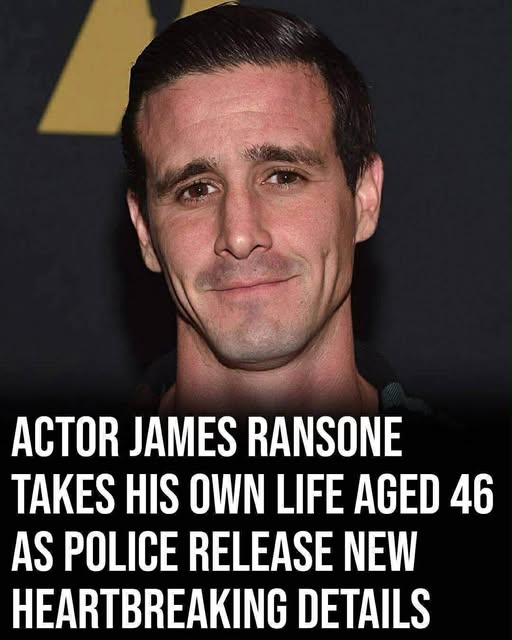
Actor James Ransone, best known for his memorable performances in The Wire, It Chapter Two, Sinister, and The Black Phone, died in December 2025 at the age of 46. Authorities later confirmed that his death was the result of suicide.
Months after his passing, a newly released report from the Los Angeles County Medical Examiner has revealed additional details surrounding his final days.
New Details Released
According to the medical examiner’s report:
- Ransone had reportedly experienced suicidal thoughts before his death.
- The report states that he had expressed a desire to go to a hospital for mental health concerns.
- Investigators found no suicide note.
- Authorities found no evidence of foul play.
- Prescription medications were present at the scene, but the report did not conclude that drugs or alcohol caused his death.
A Career Remembered
Born in Baltimore, Maryland, James Ransone built a respected acting career spanning more than two decades. He became widely recognized for portraying Ziggy Sobotka in HBO’s acclaimed crime drama The Wire. He also earned praise for roles in:
- Generation Kill
- Sinister and Sinister 2
- It Chapter Two
- The Black Phone
- Tangerine
His performances were often noted for their emotional depth and authenticity.
His Public Struggles
During his lifetime, Ransone spoke openly about his past struggles with addiction and mental health. In interviews, he discussed overcoming heroin addiction and maintaining long-term sobriety after entering rehabilitation in 2006. His willingness to share these experiences made him an advocate for greater awareness of addiction recovery and mental health challenges.
Remembering James Ransone
Ransone is survived by his wife, Jamie McPhee, and their two children. His death prompted an outpouring of tributes from colleagues, friends, and fans who remembered both his talent and his honesty about personal struggles.
If you or someone you know is experiencing thoughts of suicide or is in emotional distress, reaching out to a trusted person or contacting local emergency or crisis services can make a real difference. Support is available, and seeking help is a sign of strength.