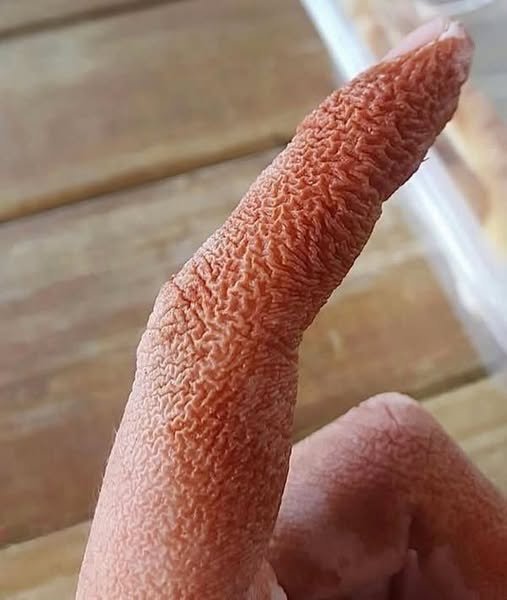
Our skin is more than just a protective layer — it can sometimes act as a visible indicator of what is happening inside and around our bodies. A sudden change in texture, unusual dryness, rough patches, or a cracked appearance may be easy to ignore, but these changes can be important clues that your skin needs attention.
The image shows a close-up of skin with a rough, dry, and textured appearance. While an image alone cannot confirm the exact cause, this type of appearance can occur for several reasons, ranging from simple dryness to irritation or other skin conditions.
The Hidden Messages Your Skin May Be Sending
Have you ever noticed that your skin suddenly looks different — more wrinkled, rough, flaky, or cracked than usual? Many people assume it is only a cosmetic issue, but skin changes can sometimes reflect environmental stress, lifestyle factors, or underlying health concerns.
Understanding these signs can help you take better care of your skin before small problems become bigger ones.
1. Extremely Dry Skin: The Most Common Cause of Rough Texture
One of the biggest reasons skin develops a rough, aged, or cracked appearance is a lack of moisture.
When the skin barrier becomes weakened, it struggles to hold onto water. This can lead to:
- A rough or uneven surface
- Tiny cracks or lines
- Flaking or peeling
- Tightness after washing
- Increased sensitivity
Common causes include:
- Cold or dry weather
- Long hot showers
- Strong soaps or detergents
- Frequent hand washing
- Not using enough moisturizer
Dry skin is common, but when it becomes severe or persistent, it deserves attention.
2. Damaged Skin Barrier: When Your Skin Loses Protection
Your skin has a natural barrier made of oils and proteins that protect it from outside damage. When this barrier is disrupted, moisture escapes more easily, leaving the skin vulnerable.
Signs of a weakened skin barrier may include:
✔ Rough texture
✔ Redness
✔ Burning or stinging
✔ Increased reactions to skincare products
✔ Persistent dryness despite applying lotion
Repairing the barrier usually involves gentle skincare habits and avoiding harsh ingredients.
3. Repeated Friction Can Change Skin Texture
Skin often becomes thicker and rougher when exposed to repeated pressure or rubbing.
Examples include:
- Frequent gripping of tools
- Manual work
- Constant rubbing from clothing or objects
- Pressure on certain areas of the body
The skin responds by creating a thicker protective layer. This is why areas like hands, fingertips, elbows, and feet often become rough.
4. Environmental Factors That Affect Your Skin
Your surroundings can have a major impact on skin health.
Cold Weather
Cold air contains less moisture, which can dry out the skin quickly.
Sun Exposure
Long-term sun exposure can contribute to:
- Rough skin texture
- Uneven appearance
- Premature aging signs
Chemicals and Cleaning Products
Frequent contact with detergents, disinfectants, or chemicals can remove natural oils and irritate the skin.
5. When Rough Skin May Need Medical Attention
Most cases of dry or rough skin improve with proper care. However, you should consider professional advice if you notice:
🚨 Sudden changes in skin texture
🚨 Severe itching or pain
🚨 Bleeding cracks
🚨 Swelling or signs of infection
🚨 Skin changes that do not improve
🚨 Rapid spreading of the affected area
A dermatologist can examine the skin and determine the possible cause.
Simple Daily Habits for Healthier Skin
Taking care of your skin does not always require complicated routines. Small daily habits can make a big difference:
Moisturize Regularly
Choose a moisturizer that helps restore and protect the skin barrier.
Use Gentle Products
Avoid harsh soaps and products that leave your skin feeling tight or irritated.
Avoid Excessive Hot Water
Hot water can remove natural oils from the skin.
Protect Your Hands
Wear gloves when using cleaning products or working with irritating substances.
Drink Enough Water and Maintain Good Nutrition
Healthy skin depends on overall wellness, including adequate hydration and nutrients.
Final Thoughts: Don’t Ignore Changes in Your Skin
Your skin constantly responds to your environment, habits, and health. A rough or cracked appearance may be caused by something as simple as dryness, but unusual or lasting changes should not be overlooked.
Pay attention to what your skin is telling you. Early care, gentle protection, and professional guidance when needed can help maintain healthier skin.
Remember: Your skin’s appearance is a signal — listen to it before it becomes a bigger problem.