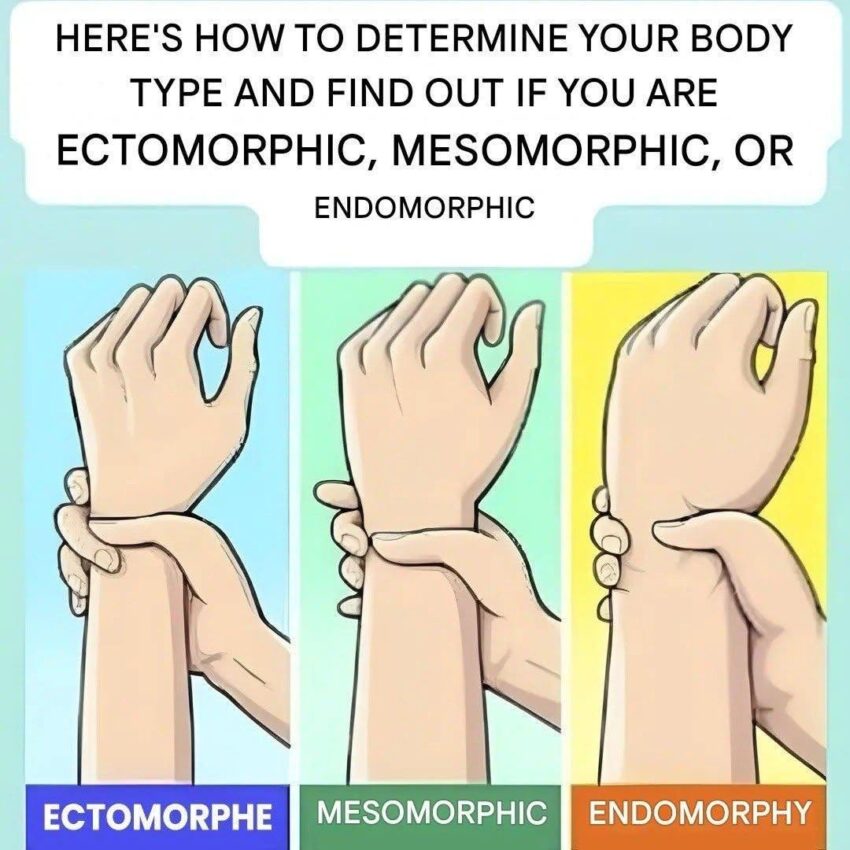
Have you ever wondered why some people seem to gain muscle effortlessly, while others struggle to put on weight or find it difficult to lose body fat? The answer may lie in your natural body type, also known as your somatotype.
The concept of body types divides people into three general categories: ectomorph, mesomorph, and endomorph. While most people are actually a combination of these types, understanding your dominant body type can help you make smarter choices about nutrition, exercise, and fitness goals.
Let’s explore what each body type means and how you can work with your body instead of against it.
What Is a Body Type?
Body type, or somatotype, refers to your natural physical build, including how easily you gain muscle, store fat, and maintain your weight. Genetics play a significant role, but your lifestyle, diet, and exercise habits also influence your physique over time.
Remember, no body type is “better” than another. Each has unique strengths and challenges.
1. Ectomorph: Naturally Slim and Lean
Ectomorphs are often characterized by a slender frame and a fast metabolism.
Common Characteristics
- Narrow shoulders and hips
- Lean body with low body fat
- Long arms and legs
- Small joints
- Difficulty gaining weight and muscle
- Fast metabolism
Strengths
- Naturally lean appearance
- Lower tendency to store excess body fat
- Often excel in endurance sports
Challenges
- Building muscle can take longer
- May struggle to consume enough calories
- Can lose weight quickly if meals are skipped
Best Nutrition Tips
- Eat frequent, calorie-rich meals.
- Include healthy carbohydrates like oats, rice, potatoes, and whole grains.
- Consume adequate protein with every meal.
- Add healthy fats from nuts, seeds, avocados, and olive oil.
Best Workout Strategy
Focus on strength training with compound exercises such as:
- Squats
- Deadlifts
- Bench press
- Pull-ups
- Overhead press
Limit excessive cardio if your goal is muscle gain.
2. Mesomorph: Naturally Athletic
Mesomorphs tend to build muscle easily and maintain an athletic appearance with relatively little effort.
Common Characteristics
- Broad shoulders
- Narrow waist
- Naturally muscular build
- Moderate body fat
- Gain muscle quickly
- Respond well to exercise
Strengths
- Excellent muscle-building potential
- Can gain strength rapidly
- Balanced metabolism
Challenges
- Can gain fat if calorie intake consistently exceeds energy needs
- May become complacent with training
Best Nutrition Tips
- Eat balanced meals with protein, healthy fats, and complex carbohydrates.
- Match calorie intake to activity level.
- Stay hydrated.
Best Workout Strategy
Combine:
- Strength training
- Cardio
- Mobility work
- Functional exercises
Mesomorphs often perform well in many sports, from weightlifting to team athletics.
3. Endomorph: Strong and Solid
Endomorphs generally have a larger frame and tend to store body fat more easily.
Common Characteristics
- Wider hips
- Rounder physique
- Larger bone structure
- Gain muscle relatively easily
- Gain body fat more easily
- Slower metabolism compared to some others
Strengths
- Strong natural physique
- Excellent strength potential
- Can build muscle effectively
Challenges
- Fat loss may require more attention to diet and activity
- Weight can increase quickly with excess calorie intake
Best Nutrition Tips
- Prioritize lean protein.
- Eat plenty of vegetables and high-fiber foods.
- Choose whole grains over refined carbohydrates.
- Monitor portion sizes without being overly restrictive.
Best Workout Strategy
A balanced routine works best:
- Strength training 3–5 times per week
- Regular cardiovascular exercise
- Daily movement such as walking or cycling
Can You Be More Than One Body Type?
Absolutely.
Most people aren’t purely ectomorph, mesomorph, or endomorph. Instead, they fall somewhere between categories.
For example:
- Ecto-Mesomorph: Naturally lean with good muscle-building ability.
- Meso-Endomorph: Muscular but prone to storing body fat.
- Ecto-Endomorph: Lean limbs with a tendency to carry fat around the midsection.
Your genetics provide a starting point, but your habits have a major influence on your body composition over time.
Does Body Type Determine Your Fitness Success?
Not at all.
While your body type may influence how quickly you gain muscle or lose fat, it does not determine your potential. With consistent training, balanced nutrition, adequate sleep, and patience, people of all body types can become stronger, healthier, and fitter.
Rather than trying to change your natural frame, focus on improving your overall health and working toward realistic, sustainable goals.
Tips for Every Body Type
Regardless of your somatotype:
- Eat a balanced diet rich in whole foods.
- Include enough protein to support muscle maintenance and growth.
- Exercise regularly with both strength training and cardio.
- Prioritize quality sleep and recovery.
- Stay hydrated.
- Be consistent—lasting results come from long-term habits, not quick fixes.
Final Thoughts
Understanding whether you lean toward an ectomorph, mesomorph, or endomorph can offer useful insights into how your body responds to diet and exercise. However, these categories are broad descriptions rather than strict scientific classifications, and many people have characteristics of more than one type.
The key to success isn’t trying to fit perfectly into one category—it’s learning what works best for your unique body. By combining healthy eating, regular physical activity, and realistic expectations, you can build strength, improve fitness, and achieve lasting health, regardless of your body type.