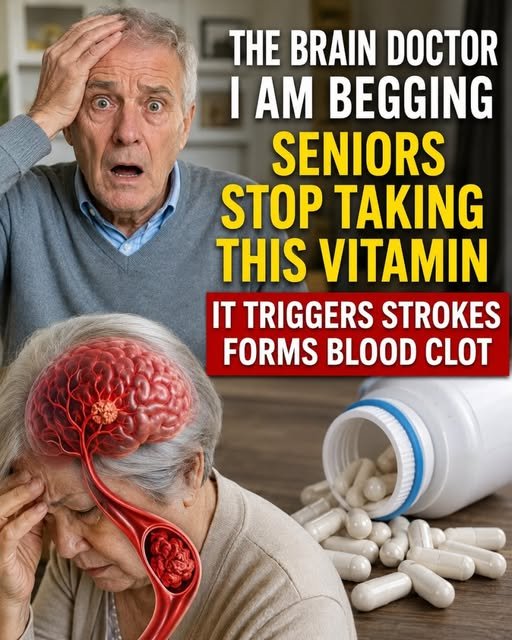
A dramatic headline claiming that “a brain doctor is shocked a vitamin raises stroke risk overnight” is designed to grab attention — especially among older adults who are focused on protecting their brain health. But when it comes to medical advice, shocking headlines often leave out important details.
The reality is more complicated. Vitamins are essential nutrients that help the body function properly, but like many things in health, more is not always better. Certain supplements, especially when taken in high doses or without medical advice, may create risks for some people.
Why Are Some Vitamins Linked to Stroke Concerns?
Stroke risk is influenced by many factors, including blood pressure, cholesterol, diabetes, smoking, heart rhythm problems, age, genetics, and medication use. A vitamin supplement alone usually does not cause a stroke overnight.
However, some vitamins have raised concerns in research because they may affect blood clotting, blood vessel health, or interactions with medicines.
Vitamin E: The Supplement That Often Gets Attention
Vitamin E is one supplement frequently discussed in relation to bleeding risk. It acts as an antioxidant and plays a role in immune function, but high-dose vitamin E supplements may affect the body’s ability to form blood clots.
For people who already have risk factors — such as taking blood-thinning medication or having certain cardiovascular conditions — large doses may be a concern.
This does not mean normal amounts of vitamin E from food are dangerous. Foods such as nuts, seeds, and vegetable oils provide vitamin E naturally and are generally considered part of a healthy diet.
The Problem With High-Dose Supplements
Many people assume that if a small amount of a vitamin is beneficial, a larger amount must be even better. This is not always true.
Fat-soluble vitamins, including vitamins A, D, E, and K, can build up in the body because they are stored in fat tissues. Taking excessive amounts over time may lead to unwanted effects.
Water-soluble vitamins are generally removed more easily through urine, but extremely high doses can still cause problems.
Why Seniors Should Be Especially Careful
Older adults often take multiple medications, including:
- Blood pressure medicines
- Blood thinners
- Cholesterol medications
- Diabetes treatments
- Heart medications
A supplement that seems harmless may interact with these medicines. For example, anything that affects bleeding, blood pressure, or metabolism may need to be discussed with a healthcare professional.
Signs That a Supplement May Not Be Right for You
Speak with a healthcare provider if you experience:
- Unusual bruising or bleeding
- Severe headaches
- Sudden weakness or numbness
- Vision changes
- Confusion
- Dizziness or balance problems
These symptoms can have many causes, but sudden neurological symptoms require urgent medical attention because they may be signs of a stroke.
How to Use Vitamins Safely for Brain Health
For most seniors, protecting brain health is less about taking a “miracle vitamin” and more about proven lifestyle habits:
Eat a Nutrient-Rich Diet
A diet rich in vegetables, fruits, whole grains, fish, nuts, and healthy fats provides many essential nutrients naturally.
Monitor Blood Pressure
High blood pressure is one of the strongest risk factors for stroke. Regular checks and appropriate treatment are important.
Stay Physically Active
Walking, strength exercises, and regular movement support heart and brain health.
Review Supplements Regularly
Before starting a new supplement, check whether you actually need it and whether it could interact with your medications.
The Bottom Line
The idea that one vitamin can “raise stroke risk overnight” is an oversimplification. Some high-dose supplements may increase risks for certain people, but vitamins are not automatically dangerous.
The safest approach is to avoid unnecessary mega-dose supplements, focus on a balanced diet, and discuss any new supplement with a qualified healthcare professional — especially if you are older or take prescription medications.
Brain health is protected through consistent habits, medical care, and informed choices — not through fear-based headlines.