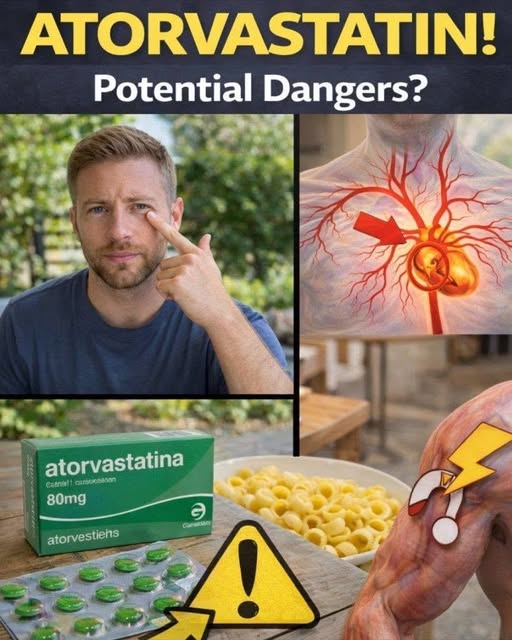
Atorvastatin is one of the most commonly prescribed medications for lowering cholesterol and reducing the risk of heart attacks and strokes. Millions of people take it every day, often for years, with good results. While it has a strong track record for improving cardiovascular health, like any medication, it can cause side effects in some individuals.
The phrase “hidden dangers” can be misleading because most known side effects of atorvastatin are well documented in medical research and prescribing information. However, some are less commonly discussed during routine appointments because they are rare or affect only certain groups of people. Understanding these potential effects can help you recognize symptoms early and have informed conversations with your healthcare provider.
What Is Atorvastatin?
Atorvastatin belongs to a group of medicines called statins. It works by blocking an enzyme in the liver that helps produce cholesterol. As a result, it lowers LDL (“bad”) cholesterol, modestly raises HDL (“good”) cholesterol, and reduces triglyceride levels.
Doctors prescribe atorvastatin to:
- Lower high cholesterol
- Prevent heart attacks and strokes
- Reduce the risk of cardiovascular disease
- Help people with diabetes or other high-risk conditions protect their heart health
For most people, the benefits of treatment substantially outweigh the risks.
1. Muscle Pain and Weakness
Muscle aches are among the most frequently reported side effects of atorvastatin. Symptoms may range from mild soreness to noticeable weakness that affects daily activities.
You may notice:
- Aching muscles
- Stiffness
- Fatigue after light activity
- Tenderness in the arms or legs
If muscle pain is severe, persistent, or accompanied by fever or dark urine, seek medical attention promptly.
2. Rare Muscle Breakdown (Rhabdomyolysis)
Although extremely uncommon, atorvastatin can cause a serious condition called rhabdomyolysis. In this condition, damaged muscle tissue releases proteins into the bloodstream that can injure the kidneys.
Warning signs include:
- Severe muscle pain
- Extreme weakness
- Dark or cola-colored urine
- Reduced urine output
This is a medical emergency and requires immediate treatment.
3. Elevated Liver Enzymes
Because atorvastatin works in the liver, some people experience temporary increases in liver enzymes. Most cases cause no symptoms and resolve without complications.
Possible symptoms of liver problems include:
- Yellowing of the skin or eyes
- Persistent nausea
- Unusual fatigue
- Upper abdominal pain
- Dark urine
Healthcare providers may recommend liver function testing before starting treatment and if symptoms suggest liver injury.
4. Slight Increase in Blood Sugar
Research has shown that statins may slightly increase blood sugar levels, particularly in people already at risk for type 2 diabetes.
Risk factors include:
- Obesity
- Prediabetes
- Family history of diabetes
- Metabolic syndrome
Despite this small increase in risk, statins generally prevent far more heart attacks and strokes than the number of diabetes cases potentially associated with treatment.
5. Digestive Problems
Some people develop mild digestive symptoms during the first few weeks of therapy.
These may include:
- Nausea
- Diarrhea
- Constipation
- Stomach discomfort
- Indigestion
These symptoms often improve as the body adjusts to the medication.
6. Headaches
Mild headaches may occur after beginning atorvastatin therapy. Staying hydrated and taking the medication consistently as directed may help, although persistent headaches should be discussed with a healthcare professional.
7. Joint Pain
Some patients report joint discomfort while taking statins. The relationship is not always clear because joint pain becomes more common with age and other health conditions.
If new joint pain develops after starting treatment, your clinician can determine whether the medication is a likely contributor.
8. Sleep Disturbances
A small number of people report insomnia or changes in sleep patterns. Current research has not consistently shown that atorvastatin causes sleep problems, but individual experiences can vary.
9. Memory and Cognitive Concerns
Occasionally, people report forgetfulness or difficulty concentrating while taking statins. Current evidence has not shown that atorvastatin increases the risk of dementia, and some studies suggest statins may even help reduce the risk of certain forms of cognitive decline.
If you notice new cognitive symptoms, consult your healthcare provider rather than stopping the medication on your own.
10. Allergic Reactions
Serious allergic reactions are rare but can occur.
Seek emergency medical care if you develop:
- Swelling of the face, lips, tongue, or throat
- Difficulty breathing
- Severe rash
- Hives
11. Drug Interactions
Certain medications can increase atorvastatin levels in the body, raising the risk of side effects.
Examples include:
- Some antibiotics
- Certain antifungal medications
- Some HIV medications
- A few heart rhythm medicines
Always tell your healthcare provider about every prescription, over-the-counter medicine, and supplement you take.
12. Grapefruit Interaction
Large amounts of grapefruit or grapefruit juice can interfere with the body’s ability to break down atorvastatin, potentially increasing the risk of muscle-related side effects.
Ask your healthcare provider whether you should limit grapefruit based on your dose and medical history.
13. Kidney Complications (Usually Secondary)
Atorvastatin itself does not commonly damage healthy kidneys. However, if severe muscle breakdown (rhabdomyolysis) occurs, proteins released from damaged muscles can injure the kidneys.
This complication is rare but important to recognize.
14. Increased Risk in Older Adults
Older adults may be more sensitive to muscle-related side effects due to:
- Reduced muscle mass
- Multiple medications
- Kidney or liver impairment
Doctors may monitor older patients more closely, especially when higher statin doses are prescribed.
15. Pregnancy and Breastfeeding Concerns
Atorvastatin is generally not recommended during pregnancy because cholesterol is essential for fetal development. It is also usually avoided while breastfeeding.
Anyone who becomes pregnant while taking atorvastatin should contact their healthcare provider promptly to discuss the safest next steps.
Tips to Reduce Side Effects
You can help lower your risk of complications by:
- Taking the medication exactly as prescribed.
- Informing your healthcare provider about all medicines and supplements you use.
- Avoiding excessive grapefruit consumption if advised.
- Reporting persistent muscle pain or weakness promptly.
- Attending recommended follow-up appointments and laboratory testing.
- Maintaining a heart-healthy diet and regular physical activity.
When Should You Seek Immediate Medical Care?
Contact emergency services or seek urgent medical evaluation if you experience:
- Severe muscle pain with dark urine
- Difficulty breathing
- Swelling of the face or throat
- Yellowing of the skin or eyes
- Severe weakness that develops suddenly
Frequently Asked Questions
Is atorvastatin safe for long-term use?
Yes. For most people, atorvastatin has been extensively studied and is considered safe for long-term use when taken under medical supervision.
Can I stop taking atorvastatin if I feel better?
No. High cholesterol often has no symptoms. Stopping treatment without medical advice may increase your risk of heart attack or stroke.
Are muscle aches common?
Mild muscle symptoms can occur, but severe muscle injury is uncommon. Persistent or severe symptoms should be evaluated by a healthcare professional.
Does atorvastatin cause dementia?
Current research does not support an increased risk of dementia from atorvastatin. Some studies suggest statins may have protective effects on brain health.
Final Thoughts
Atorvastatin remains one of the most effective medications for lowering cholesterol and reducing the risk of cardiovascular disease. While it has potential side effects—including some rare but serious ones—most people tolerate it well, and the proven benefits often outweigh the risks.
Rather than viewing these side effects as “hidden dangers,” it’s more accurate to think of them as known risks that vary in frequency and severity. If you experience concerning symptoms, discuss them with your healthcare provider instead of stopping the medication on your own. Together, you can determine whether adjusting the dose, switching to another statin, or exploring alternative treatments is appropriate for your situation.
This version is written in a reader-friendly blog style while remaining consistent with current medical evidence and avoiding exaggerated or unsupported claims.