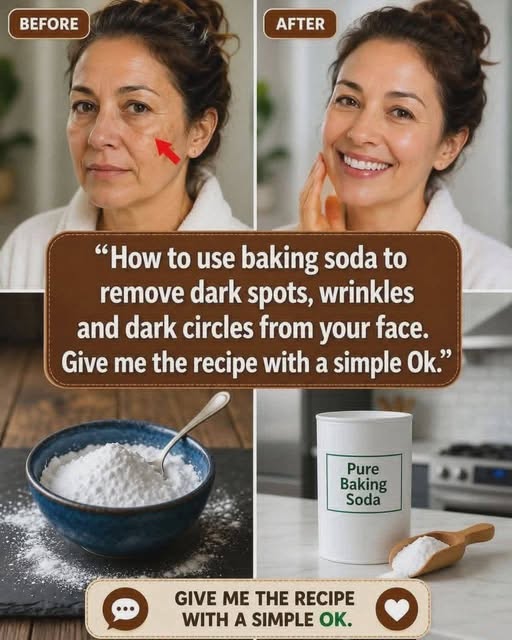
Baking soda is a common household ingredient used for baking, cleaning, and deodorizing. Over the years, it has also become a popular DIY skincare remedy. While some people use it to exfoliate the skin or reduce excess oil, baking soda is not recommended for regular facial skincare because it can disrupt the skin’s natural protective barrier.
Here’s what you should know before applying baking soda to your face.
What Is Baking Soda?
Baking soda, also known as sodium bicarbonate, is a mildly alkaline powder. It has a pH of about 8.3, while healthy skin has a naturally acidic pH of around 4.5 to 5.5. This difference is one reason why baking soda may irritate the skin.
Potential Benefits
Although scientific evidence is limited, some people report temporary benefits such as:
1. Gentle Exfoliation
Its fine texture can help remove dead skin cells, leaving the skin feeling smoother.
2. Oil Removal
Baking soda may temporarily absorb excess oil, making the skin feel less greasy.
3. Deep Cleansing
Some people use it occasionally to remove dirt and impurities from the skin’s surface.
Risks and Side Effects
Despite its popularity, baking soda can cause several skin problems.
Skin Irritation
Its alkaline nature may lead to redness, dryness, itching, or a burning sensation.
Damage to the Skin Barrier
Regular use can weaken the skin’s natural barrier, increasing moisture loss and sensitivity.
Increased Dryness
People with dry or sensitive skin may notice flaking and tightness after use.
May Worsen Acne
Although it removes oil, excessive drying can trigger the skin to produce even more oil, potentially worsening acne in some individuals.
How to Use It More Safely
If you still want to try baking soda on your face, use it sparingly and with caution.
Ingredients
- 1 teaspoon baking soda
- 2 teaspoons water
Directions
- Mix the baking soda and water into a smooth paste.
- Apply a thin layer to damp skin.
- Gently massage in circular motions for no more than 20–30 seconds.
- Rinse thoroughly with lukewarm water.
- Pat your face dry.
- Apply a gentle, fragrance-free moisturizer immediately afterward.
Limit use to no more than once every few weeks, and stop immediately if you experience irritation.
Who Should Avoid Baking Soda on the Face?
Avoid using baking soda if you have:
- Sensitive skin
- Eczema
- Rosacea
- Active acne breakouts with inflamed lesions
- Open cuts or wounds
- Sunburned skin
Better Alternatives for Healthy Skin
If your goal is smoother, clearer skin, consider gentler options such as:
- Oatmeal for mild exfoliation
- Plain yogurt (contains lactic acid for gentle exfoliation)
- Aloe vera gel to soothe the skin
- Fragrance-free cleansers designed for your skin type
- Moisturizers containing ceramides or hyaluronic acid
These products are generally less likely to disrupt your skin’s natural barrier.
Tips for Healthy Skin
- Wash your face twice daily with a gentle cleanser.
- Moisturize after cleansing.
- Wear sunscreen with SPF 30 or higher every day.
- Drink plenty of water.
- Eat a balanced diet rich in fruits and vegetables.
- Avoid harsh scrubs and excessive exfoliation.
Conclusion
Baking soda may temporarily exfoliate the skin and remove excess oil, but it also carries a significant risk of irritation and damage to the skin’s protective barrier. For most people, dermatologist-recommended skincare products are a safer and more effective choice. If you have persistent skin concerns or a chronic skin condition, consult a dermatologist before trying DIY treatments.