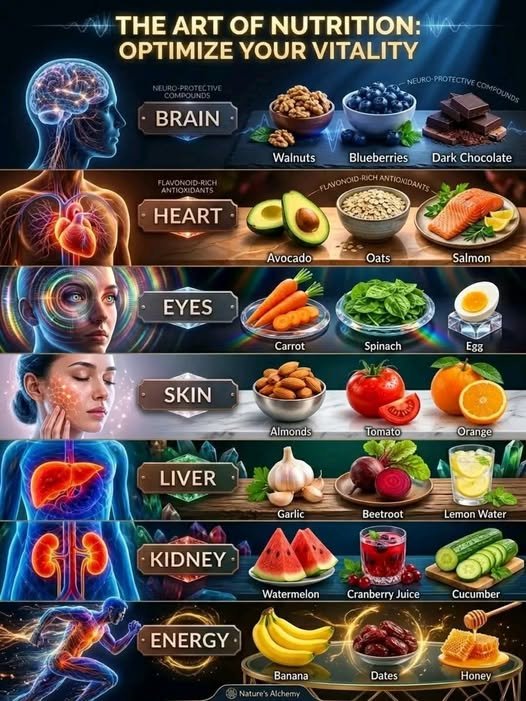
Brain Health Foods: Walnuts, Blueberries, and Dark Chocolate
The brain requires a constant supply of nutrients to maintain memory, concentration, learning ability, and long-term cognitive health. Among the many foods associated with brain function, walnuts, blueberries, and dark chocolate are frequently highlighted because they contain compounds that may support brain performance and protect brain cells.
1. Walnut
Key Nutrients
- Omega-3 fatty acids (especially alpha-linolenic acid, ALA)
- Vitamin E
- Polyphenols and antioxidants
- Magnesium
- Copper
How Walnuts Support the Brain
The human brain is nearly 60% fat, and healthy fats are important for nerve cell function. Walnuts are one of the richest plant sources of omega-3 fatty acids, which help maintain cell membranes and support communication between brain cells.
Research suggests that regular walnut consumption may:
- Improve memory and learning
- Support attention and processing speed
- Reduce oxidative stress in brain tissue
- Help lower inflammation associated with cognitive decline
Scientific Explanation
Oxidative stress and chronic inflammation can damage neurons over time. The antioxidants and polyphenols in walnuts help neutralize free radicals, potentially reducing this damage.
Recommended Intake
- About 1 ounce (28–30 g), roughly a handful (14–15 walnut halves) per day.
Easy Ways to Eat Them
- Add to oatmeal or yogurt
- Mix into salads
- Blend into smoothies
- Eat as a snack
2. Blueberry
Key Nutrients
- Anthocyanins (blue-purple pigments)
- Vitamin C
- Vitamin K
- Manganese
- Fiber
How Blueberries Support the Brain
Blueberries are often called a “brain berry” because they are rich in anthocyanins, powerful antioxidants that can cross the blood-brain barrier and accumulate in areas involved in learning and memory.
Potential benefits include:
- Improved memory
- Better communication between brain cells
- Enhanced learning ability
- Protection against age-related cognitive decline
Scientific Explanation
Anthocyanins may:
- Reduce inflammation in brain tissue
- Improve blood flow to the brain
- Enhance neuronal signaling
- Protect neurons from oxidative damage
Some studies have found improvements in memory and cognitive performance in older adults and children who regularly consume blueberries.
Recommended Intake
- ½ to 1 cup (75–150 g) daily.
Easy Ways to Eat Them
- Fresh as a snack
- Mixed into yogurt
- Added to smoothies
- Topped on cereal or oatmeal
3. Dark Chocolate
Key Nutrients
- Flavanols
- Magnesium
- Iron
- Copper
- Small amounts of caffeine and theobromine
How Dark Chocolate Supports the Brain
Dark chocolate contains cocoa flavanols, compounds associated with improved blood flow and vascular function.
Potential brain benefits:
- Enhanced focus and concentration
- Improved mood
- Better short-term cognitive performance
- Increased mental alertness
Scientific Explanation
Flavanols may:
- Increase blood flow to the brain
- Improve oxygen and nutrient delivery
- Support neuron function
- Promote production of brain-derived neurotrophic factor (BDNF), a protein involved in learning and memory
The small amount of caffeine can also contribute to increased alertness and attention.
Recommended Intake
- 20–30 g per day
- Choose chocolate with at least 70% cocoa content.
Things to Watch
- Many chocolate products contain large amounts of sugar.
- Excessive consumption can increase calorie intake.
Why These Foods Work Well Together
Combining walnuts, blueberries, and dark chocolate provides complementary benefits:
| Food | Main Brain-Supporting Compounds | Potential Benefit |
|---|---|---|
| Walnuts | Omega-3s, polyphenols | Brain cell structure and protection |
| Blueberries | Anthocyanins | Memory and neuronal signaling |
| Dark chocolate | Flavanols, magnesium | Blood flow, focus, and mood |
Together they provide:
- Antioxidant protection
- Reduced inflammation
- Better blood circulation to the brain
- Support for memory, learning, and concentration
Simple Brain-Boosting Snack
Try a mix of:
- 1 handful of walnuts
- ½ cup blueberries
- 20 g dark chocolate (70–85% cocoa)
This combination supplies healthy fats, antioxidants, fiber, and flavanols that may help support cognitive performance and long-term brain health as part of an overall balanced diet.
Other Foods Linked to Brain Health
- Salmon
- Egg
- Spinach
- Avocado
- Pumpkin Seed
- Green Tea
A dietary pattern rich in fruits, vegetables, nuts, whole grains, and healthy fats appears to be more beneficial for brain health than relying on any single “superfood.”