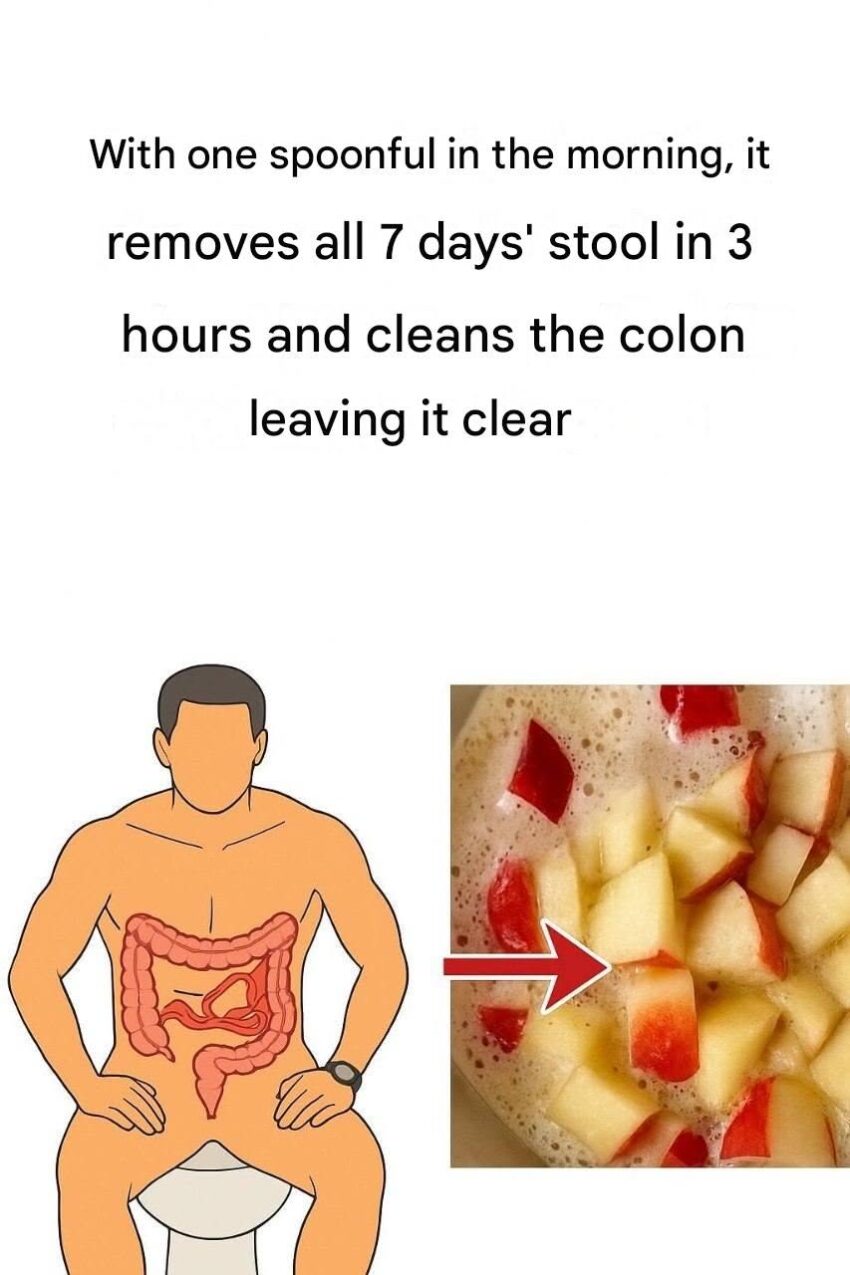
Struggling With Constipation? These Simple, Natural Habits May Help
Constipation is a common digestive issue that affects people of all ages. It may involve infrequent bowel movements, hard or dry stools, straining, or a feeling that the bowel hasn’t fully emptied. While occasional constipation often improves with lifestyle changes, persistent or severe constipation should be evaluated by a healthcare professional.
Here are three natural, evidence-based strategies that dietitians commonly recommend to support healthy bowel function.
1. Increase Your Fiber Intake Gradually
Dietary fiber adds bulk to stool and helps it move more easily through the digestive tract. Many people don’t get enough fiber in their daily diet.
Fiber-Rich Foods to Include
- Apples and pears (with the skin)
- Berries
- Oats
- Whole-grain bread and cereals
- Brown rice
- Lentils and beans
- Broccoli
- Carrots
- Chia seeds
- Ground flaxseeds
Tip
Increase fiber gradually over several days and drink plenty of water to help prevent bloating or discomfort.
2. Stay Well Hydrated
Water helps soften stool, making it easier to pass. Dehydration can contribute to constipation, especially when fiber intake increases without enough fluids.
Simple Ways to Stay Hydrated
- Drink water regularly throughout the day.
- Include water-rich foods such as cucumber, watermelon, oranges, and soups.
- Limit excessive sugary drinks and alcohol, which may contribute to dehydration.
Aim for consistent fluid intake based on your individual needs, activity level, and climate.
3. Keep Your Body Moving
Regular physical activity stimulates the muscles of the digestive tract, helping food move through the intestines more efficiently.
Activities That May Help
- Brisk walking
- Cycling
- Swimming
- Gentle yoga
- Stretching exercises
Even a 20–30 minute walk most days of the week can support healthy digestion.
Additional Tips for Healthy Digestion
- Don’t ignore the urge to have a bowel movement.
- Try to establish a regular bathroom routine, especially after meals.
- Eat meals at regular times each day.
- Manage stress, as it can affect digestive function.
- Include fermented foods like yogurt or kefir if they agree with you, as they may support gut health.
When to See a Healthcare Professional
Occasional constipation is common, but seek medical advice if you experience:
- Constipation lasting more than two to three weeks
- Severe or persistent abdominal pain
- Blood in the stool
- Unexplained weight loss
- Vomiting
- A sudden change in bowel habits without an obvious cause
These symptoms may require medical evaluation.
Final Thoughts
Healthy digestion often starts with simple daily habits. Eating more fiber-rich foods, staying hydrated, and engaging in regular physical activity can help many people improve bowel regularity naturally. If constipation persists or is accompanied by concerning symptoms, consult a healthcare professional to determine the underlying cause and appropriate treatment.