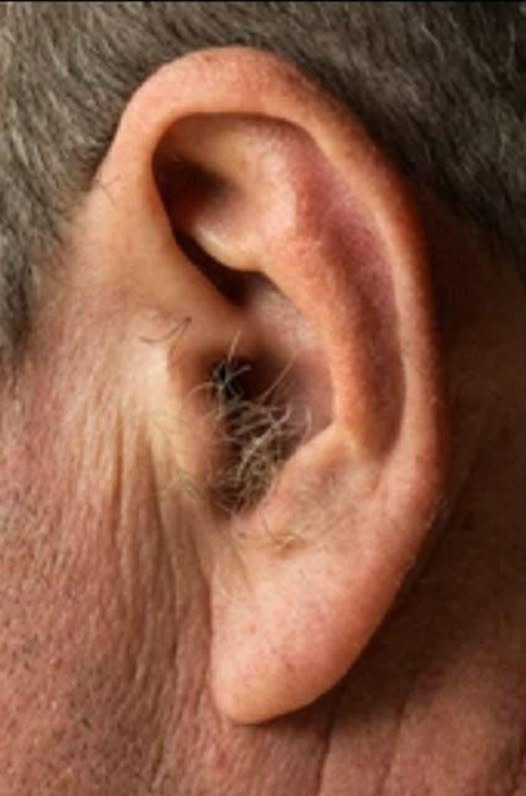
Have you ever looked in the mirror and noticed a few unexpected hairs growing around your ears?
For many people, it’s one of those small changes that seems to appear overnight. One day, everything looks normal. The next, you’re reaching for a pair of tweezers and wondering, “Why is this happening?”
Social media is full of dramatic claims that ear hair growth is a warning sign of hidden diseases, poor health, or a dangerous imbalance inside the body. Some posts even suggest it means your body is “toxic” or that something is seriously wrong.
The truth is much less dramatic—and far more reassuring.
Let’s separate fact from fiction.
Why Does Ear Hair Grow?
Hair grows almost everywhere on the human body, including inside and around the ears. Tiny, fine hairs help trap dust, dirt, and small particles before they can travel deeper into the ear canal.
As we age, however, these hairs can become thicker, darker, and more noticeable.
This change is completely normal for many people, especially men.
The Role of Hormones
One of the biggest reasons ear hair becomes more visible is the effect of hormones known as androgens.
These hormones, which include testosterone and related compounds, influence hair growth throughout the body. As people get older, hair follicles in certain areas become more sensitive to these hormones.
That’s why many men notice:
- More ear hair
- Increased nose hair
- Thicker eyebrows
- Hair growth on the shoulders or back
Interestingly, the same hormonal changes that encourage hair growth in some places may contribute to thinning hair on the scalp.
Genetics Matter More Than You Think
If your father or grandfather had noticeable ear hair, there’s a good chance you may develop it too.
Genetics largely determine:
- How much body hair you grow
- Where it appears
- How thick it becomes
- When it starts growing
Some people experience very little ear hair throughout their lives, while others begin noticing it in their 30s or 40s.
Does Ear Hair Mean You’re Unhealthy?
In most cases, no.
Ear hair growth by itself is not considered a sign of disease.
Despite what many online posts claim, there is no strong scientific evidence that ear hair alone indicates:
- Liver disease
- Heart disease
- Poor circulation
- Kidney problems
- “Toxins” building up in the body
- A weakened immune system
Most of these claims are myths that spread online without reliable medical evidence.
Why Does It Become More Noticeable With Age?
As we grow older, our bodies naturally change.
Hair follicles can become more active in certain areas while slowing down in others.
This explains why many adults notice:
- More facial hair
- Longer eyebrow hairs
- Increased nose hair
- More visible ear hair
These changes are part of the normal aging process and vary from person to person.
Should You Remove Ear Hair?
That depends on your personal preference.
Many people trim visible ear hair for cosmetic reasons, while others simply leave it alone.
If you choose to remove it:
- Use a rounded-tip ear trimmer designed for this purpose.
- Avoid inserting sharp scissors deep into the ear canal.
- Do not pluck hairs from inside the ear, as this can irritate the skin or increase the risk of infection.
Keeping the ear canal healthy is more important than removing every visible hair.
When Should You See a Doctor?
Although ear hair itself is usually harmless, you should seek medical advice if you notice:
- Pain or swelling in the ear
- Bleeding
- Persistent itching
- Unusual discharge
- Sudden changes accompanied by other concerning symptoms
These issues are unrelated to ordinary ear hair growth and may need medical evaluation.
The Bottom Line
Ear hair growth is one of the many changes that can come with aging. For most people, it reflects a combination of genetics, hormone sensitivity, and the natural aging process—not a hidden illness.
While social media posts often use dramatic headlines to grab attention, the evidence tells a much simpler story: growing ear hair is usually a normal part of getting older.
So, the next time you notice a few extra hairs around your ears, there’s no need to panic. More often than not, it’s simply another reminder that our bodies continue to change throughout life—and that’s perfectly natural.