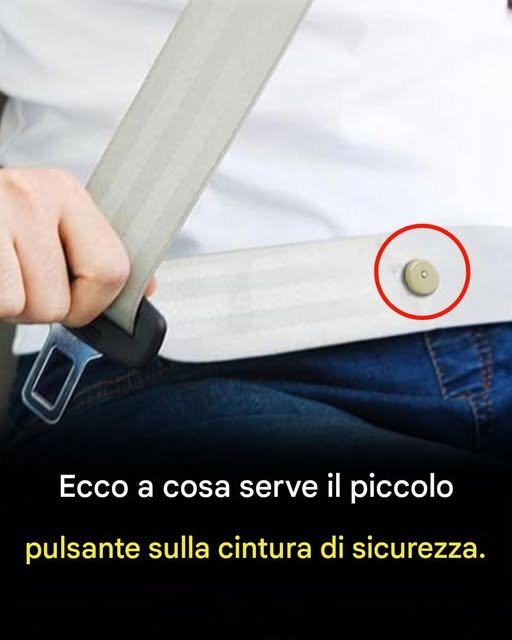
If you’ve ever looked closely at your car’s seat belt, you’ve probably noticed a small plastic button attached to the belt’s webbing. Many people assume it’s decorative or part of the manufacturing process, but it actually serves a simple and useful purpose.
Here’s what that little button does—and why it’s more important than you might think.
What Is the Seat Belt Button?
The small plastic piece is called a seat belt stop button or retainer button. It’s usually located a short distance below the metal latch plate—the part you insert into the buckle.
Although it’s tiny, it helps keep the seat belt convenient and easy to use.
Its Main Purpose
The stop button prevents the metal latch plate from sliding all the way down to the floor when you unbuckle your seat belt.
Without the button:
- The latch plate would slide to the bottom of the belt.
- You’d have to reach down near the floor or between the seat and the door to retrieve it every time.
- The metal buckle could bang against the car’s interior, causing scratches or annoying noise.
With the button in place, the latch plate stays at a comfortable height, making it much easier to grab the next time you buckle up.
Does It Affect Safety?
The stop button does not hold you in during a crash. It is not a structural safety component.
Your protection comes from:
- The strong polyester seat belt webbing.
- The metal latch plate.
- The locking retractor mechanism.
- The buckle.
- Your vehicle’s pretensioner and load limiter (if equipped).
The button’s role is purely one of convenience and preventing unnecessary wear.
What If the Button Falls Off?
Over time, the plastic stop button can crack or break due to age, heat, sunlight, or repeated use.
If it comes off:
- Your seat belt will usually still function normally.
- The latch plate may slide to the bottom of the belt each time you unbuckle it.
- The metal piece may hit the door or seat, causing scratches or rattling.
Although it’s not usually a safety issue by itself, replacing the button can restore the seat belt’s convenience.
Can You Replace It Yourself?
Yes. Replacement seat belt stop buttons are inexpensive and widely available at auto parts stores and online.
Most replacement kits include:
- A two-piece plastic button.
- A simple tool or instructions for snapping it securely onto the seat belt.
Installation typically takes only a few minutes and doesn’t require removing the seat belt from the vehicle.
Other Small Seat Belt Features You May Not Notice
Modern seat belts include several components designed to improve comfort and safety:
- Retractor: Pulls the belt back into place and locks during sudden stops or collisions.
- Latch Plate: The metal tongue that clicks into the buckle.
- Buckle: Locks the latch plate securely until you press the release button.
- Pretensioner: Tightens the belt instantly during many types of crashes.
- Load Limiter: Allows a controlled amount of belt movement during severe impacts to reduce chest injuries.
Tips for Keeping Your Seat Belt in Good Condition
- Check your seat belts regularly for fraying, cuts, or damage.
- Keep the belt clean using mild soap and water—avoid harsh chemicals.
- Ensure the belt retracts smoothly after each use.
- Never twist the belt when fastening it.
- Replace any seat belt that has been significantly damaged or, in many cases, after a serious collision, according to your vehicle manufacturer’s recommendations.
The Bottom Line
That little plastic button on your seat belt may seem insignificant, but it has a practical job: keeping the latch plate in an easy-to-reach position and preventing it from sliding to the floor or damaging your car’s interior. While it doesn’t contribute to crash protection, it makes using your seat belt more convenient and helps reduce everyday wear and tear.