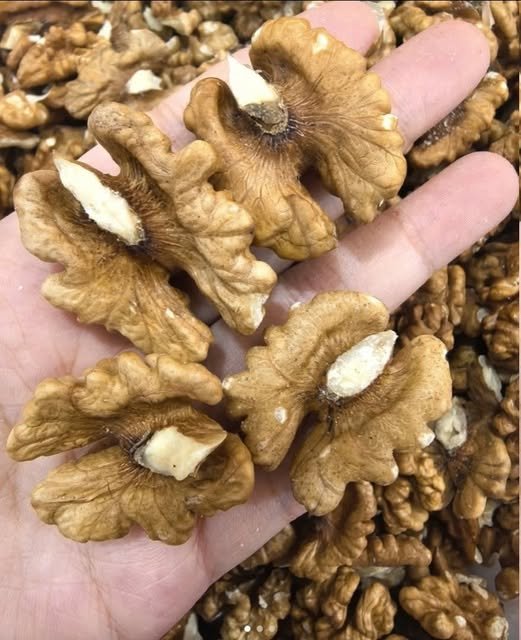
If you’re looking for the health effects of eating walnuts, doctors and nutrition researchers generally highlight that walnuts can have several benefits when eaten as part of a balanced diet. They are nutrient-dense, but the effects depend on the amount eaten and a person’s overall health.
Doctors Reveal What Eating Walnuts Can Do
1. Supports Heart Health ❤️
Walnuts are rich in omega-3 fatty acids (especially alpha-linolenic acid, ALA), healthy fats, fiber, and plant compounds that may support cardiovascular health.
Regular walnut consumption has been associated with:
- Improved cholesterol levels in some people
- Reduced LDL (“bad”) cholesterol
- Better blood vessel function
2. May Improve Brain Health 🧠
Walnuts are often called a “brain food” because of their shape and nutrients.
They contain:
- Omega-3 fats
- Antioxidants
- Polyphenols
These compounds help support normal brain function and may help reduce oxidative stress, though walnuts are not a cure or guaranteed prevention for memory disorders.
3. Helps With Weight Management
Although walnuts are high in calories, they can help with fullness because they contain:
- Protein
- Fiber
- Healthy fats
A small serving may help reduce hunger and make it easier to avoid less nutritious snacks.
4. Supports Gut Health
Walnuts provide fiber and plant compounds that can benefit the gut microbiome — the community of helpful bacteria in the digestive system.
A healthier gut microbiome is linked with better digestion and overall metabolic health.
5. Helps Maintain Healthy Blood Sugar Levels
Walnuts are low in carbohydrates and contain fats, protein, and fiber that slow digestion.
They may help:
- Reduce blood sugar spikes after meals
- Support better overall blood sugar control when included in a balanced eating pattern
6. Provides Important Nutrients
A serving of walnuts provides:
- Magnesium
- Copper
- Manganese
- Vitamin B6
- Plant-based protein
These nutrients support energy production, muscles, nerves, and immune function.
How Many Walnuts Should You Eat?
A common recommendation is about one ounce (28 grams) per day — roughly a small handful or about 14 walnut halves.
Who Should Be Careful?
Some people may need to limit or avoid walnuts, including those with:
- Tree nut allergies
- Certain digestive sensitivities
- Calorie restrictions where portions need careful management
Also, choose plain walnuts when possible. Walnuts covered in sugar, salt, or unhealthy coatings do not provide the same benefits.
Bottom line: Eating a moderate amount of walnuts regularly may support heart health, brain function, digestion, and overall nutrition, but they work best as part of a varied diet rather than as a single “miracle” food.