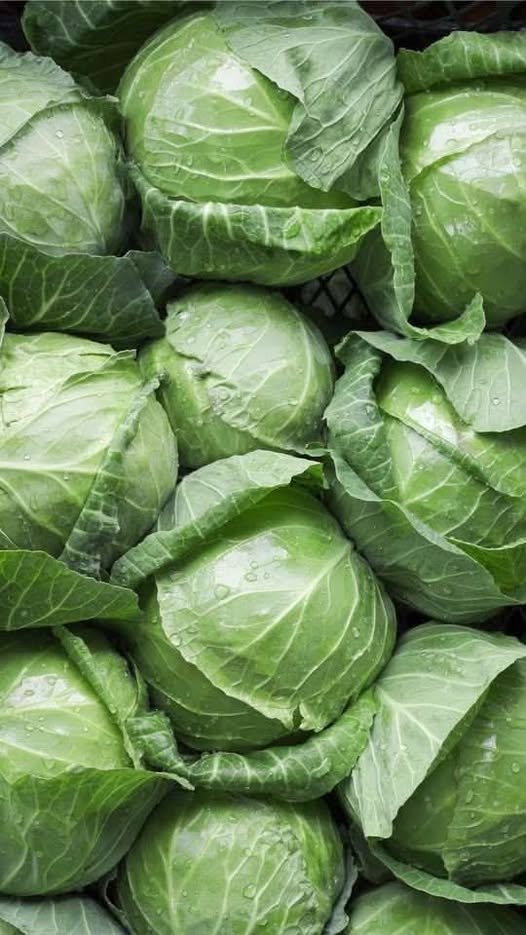
Cabbage is one of the most affordable and nutritious vegetables you can buy, yet it’s often overlooked in favor of trendier superfoods. Packed with vitamins, minerals, fiber, and beneficial plant compounds, cabbage can support overall health when included as part of a balanced diet.
While no single food can prevent or cure disease, many health experts recommend eating a variety of vegetables—including cabbage—to help maintain good health.
Why Is Cabbage So Nutritious?
Whether you prefer green, red, Napa, or Savoy cabbage, this leafy vegetable is naturally low in calories and rich in nutrients.
A serving of cabbage provides:
- Vitamin C, which supports the immune system and helps protect cells from damage.
- Vitamin K, important for normal blood clotting and bone health.
- Fiber, which promotes healthy digestion and helps you feel full.
- Folate, which supports healthy cell growth.
- Potassium, which plays a role in maintaining healthy blood pressure.
- Antioxidants and plant compounds that help protect the body’s cells.
Red cabbage also contains anthocyanins—the pigments that give it its vibrant purple color—which have antioxidant properties.
1. Supports Digestive Health
Cabbage is an excellent source of dietary fiber. Fiber helps keep the digestive system functioning properly by promoting regular bowel movements and supporting beneficial gut bacteria.
Eating enough fiber may also help you stay satisfied after meals, making it easier to maintain a healthy eating pattern.
2. May Support Heart Health
A diet rich in vegetables is associated with a lower risk of heart disease. Cabbage contains fiber, potassium, and antioxidants that may contribute to heart health as part of an overall balanced diet.
Replacing highly processed foods with vegetables like cabbage is a simple step toward healthier eating.
3. Rich in Antioxidants
Cabbage contains vitamin C and other antioxidants that help protect cells from oxidative stress. While antioxidants are important for overall health, they are most beneficial when consumed as part of a varied diet rich in fruits and vegetables.
4. Can Help with Weight Management
Because cabbage is low in calories but high in fiber and water, it can be a filling addition to meals. Including vegetables like cabbage may help you feel full while supporting healthy weight management when combined with regular physical activity and balanced eating habits.
5. Supports Immune Function
Vitamin C plays an important role in normal immune function. Although eating cabbage won’t prevent illnesses on its own, getting enough vitamin C is one part of maintaining a healthy immune system.
6. May Benefit Bone Health
Cabbage provides vitamin K, which contributes to normal bone health. However, people taking blood-thinning medications such as warfarin should consult their healthcare provider before making major changes to their vitamin K intake.
7. A Versatile Kitchen Staple
One of cabbage’s biggest advantages is its versatility. You can enjoy it:
- Raw in salads and slaws.
- Steamed as a side dish.
- Stir-fried with vegetables.
- Added to soups and stews.
- Stuffed with rice or lean meat.
- Fermented into foods like sauerkraut or kimchi.
Are There Any Downsides?
For most people, cabbage is a healthy food. However, there are a few considerations:
- Eating large amounts may cause gas or bloating in some people.
- People with certain thyroid conditions are sometimes advised to avoid consuming excessive amounts of raw cruciferous vegetables, though moderate intake is generally considered safe for most individuals.
- If you take blood-thinning medication, speak with your healthcare provider before making significant changes to your intake of vitamin K-rich foods.
Final Thoughts
Cabbage is an inexpensive, nutrient-dense vegetable that deserves a regular place on the dinner table. Its fiber, vitamins, minerals, and antioxidants make it a valuable part of a balanced diet that supports overall health.
Rather than relying on a single “superfood,” focus on eating a wide variety of colorful fruits, vegetables, whole grains, lean proteins, and healthy fats. Including cabbage in your meals is a simple, budget-friendly way to boost your daily vegetable intake.
Disclaimer: This article is for informational purposes only and should not replace professional medical advice. If you have a medical condition or special dietary needs, consult your healthcare provider or a registered dietitian before making significant dietary changes.