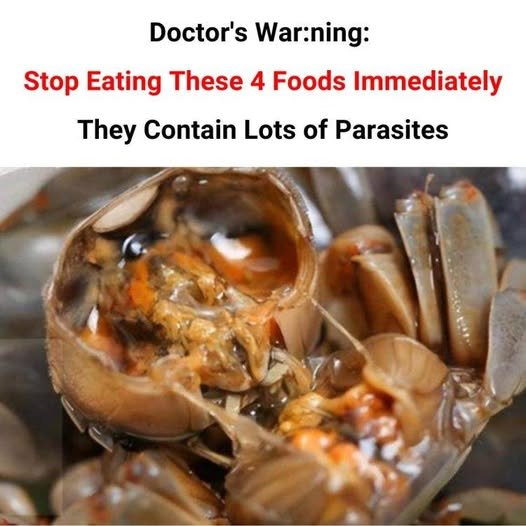
Eye-catching headlines warning that certain foods are “full of parasites” often spread rapidly across social media. While these posts can be alarming, they usually oversimplify a more complex issue.
The truth is that parasites can contaminate certain foods if they are raw, undercooked, or improperly handled, but no common food is naturally “loaded with parasites” when it is prepared and cooked safely.
Here’s a closer look at four foods that are sometimes associated with parasitic infections—and how to reduce your risk.
1. Raw or Undercooked Pork
Pork has long been linked with parasites, particularly in areas where food safety practices are poor.
Possible parasites
- Trichinella (causes trichinellosis)
- Taenia solium (pork tapeworm)
Fortunately, modern farming practices and food inspections have greatly reduced these risks in many countries.
Stay safe by:
- Cooking pork thoroughly.
- Using a food thermometer to ensure it reaches a safe internal temperature.
- Avoiding raw or undercooked pork dishes.
2. Raw Freshwater Fish
Certain freshwater fish may carry parasites that can infect humans if eaten raw.
Examples include:
- Fish tapeworms
- Liver flukes in some regions
While sushi-grade seafood is handled under strict safety standards, eating raw freshwater fish caught recreationally carries a higher risk.
Reduce your risk
- Cook fish thoroughly.
- If eating raw fish, choose reputable establishments that follow food safety regulations.
3. Raw Shellfish
Oysters, clams, mussels, and other shellfish filter large amounts of water, which means they can accumulate harmful organisms from contaminated waters.
Although bacteria and viruses are more common concerns than parasites, some parasitic organisms may also be present depending on the source.
Safety tips
- Buy shellfish from trusted suppliers.
- Avoid eating raw shellfish if you have a weakened immune system, liver disease, or are pregnant.
- Cook shellfish until fully done.
4. Unwashed Fruits and Vegetables
Fresh produce is healthy, but it can occasionally become contaminated with parasite eggs or microscopic organisms through contaminated soil, water, or improper handling.
Examples include:
- Lettuce
- Spinach
- Herbs
- Berries
Prevention
- Wash produce thoroughly under running water.
- Peel fruits when appropriate.
- Keep cutting boards and utensils clean.
Common Symptoms of a Parasitic Infection
Not everyone develops symptoms, but some infections may cause:
- Diarrhea
- Abdominal pain
- Nausea
- Vomiting
- Weight loss
- Fatigue
- Bloating
- Loss of appetite
Symptoms depend on the type of parasite and can range from mild to severe.
Who Is Most at Risk?
Certain people have a higher risk of foodborne infections, including:
- Pregnant women
- Older adults
- Young children
- People with weakened immune systems
- Travelers to areas with poor sanitation
These groups should be especially careful about consuming raw or undercooked foods.
Simple Ways to Protect Yourself
Food safety is the best defense against foodborne parasites.
Follow these habits:
- Cook meat, poultry, and seafood thoroughly.
- Wash fruits and vegetables before eating.
- Avoid cross-contamination between raw meat and ready-to-eat foods.
- Wash your hands before preparing meals.
- Drink safe, clean water.
- Purchase food from reputable sources.
Are Viral Claims About “Parasite-Filled Foods” Accurate?
Many viral posts exaggerate the risk by implying that these foods are inherently dangerous or that everyone who eats them will become infected.
In reality:
- Most commercially sold food is safe when properly handled and cooked.
- Foodborne parasites are relatively uncommon in places with strong food safety systems.
- Proper cooking and hygiene greatly reduce the risk.
Rather than avoiding nutritious foods altogether, focus on safe food preparation practices.
Final Thoughts
Parasites can occasionally contaminate certain foods, particularly raw meat, freshwater fish, shellfish, and unwashed produce. However, the claim that these foods are “full of parasites” is misleading. The actual risk depends largely on how the food is sourced, stored, and prepared.
By practicing good kitchen hygiene, washing fresh produce, and cooking foods to safe temperatures, you can enjoy a healthy diet while keeping the risk of foodborne illness very low.
Disclaimer: This article is for educational purposes only and should not replace medical advice. If you experience persistent digestive symptoms or believe you may have a parasitic infection, consult a qualified healthcare professional for evaluation and appropriate testing.