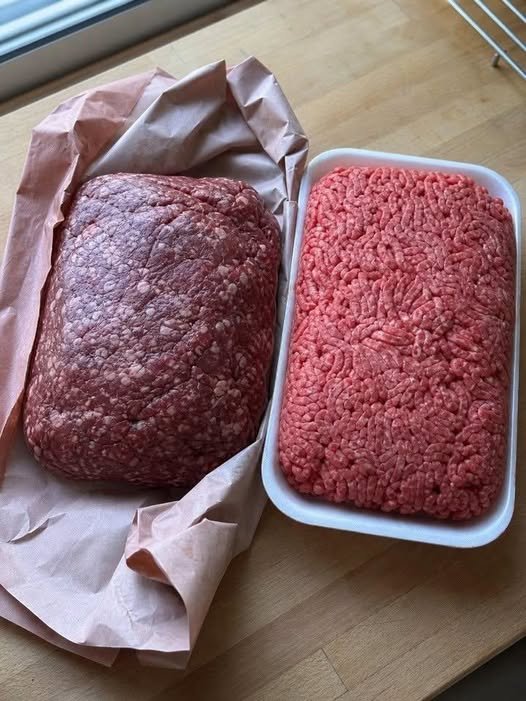
Don’t Get Fooled by the Supermarkets: They’re Selling You Meat From…?
Attention-grabbing headlines like this are designed to spark curiosity and concern. But before jumping to conclusions, it’s important to separate marketing tactics from facts.
What Supermarkets Aren’t Telling You
Many consumers assume that all meat sold in supermarkets comes directly from small local farms. In reality, much of the meat available in large grocery chains originates from large-scale commercial producers, where animals may be raised, processed, and distributed through complex supply chains.
This doesn’t automatically mean the meat is unsafe or low quality. Food producers must follow regulations and inspection standards, but production methods can vary significantly.
Labels Can Be Confusing
Terms such as:
- “Natural”
- “Farm Fresh”
- “Premium”
- “Country Raised”
often sound reassuring, but they may not always mean what shoppers think they mean. Some labels are regulated, while others are primarily marketing language.
Reading the packaging carefully and understanding certification standards can help consumers make more informed choices.
What Matters More Than the Headline
Instead of focusing on sensational claims, consider:
- Where the meat was sourced
- Whether it was inspected and approved
- Animal welfare standards
- Processing methods
- Nutritional quality
Reliable information is usually found on product labels, company disclosures, and official food safety agencies—not in viral headlines.
How to Make Better Meat Choices
If you’re concerned about quality, look for products that provide clear information about:
- Country or region of origin
- Farming practices
- Independent certifications
- Ingredient transparency
You can also ask your local butcher or grocery store staff about sourcing practices.
The Bottom Line
Headlines that begin with “Don’t get fooled by the supermarkets” often imply a shocking secret is about to be revealed. While it’s true that many consumers don’t know exactly where their food comes from, the reality is usually more nuanced than the headline suggests.
The best approach is to stay informed, read labels carefully, and rely on credible information rather than sensational claims designed primarily to attract clicks.