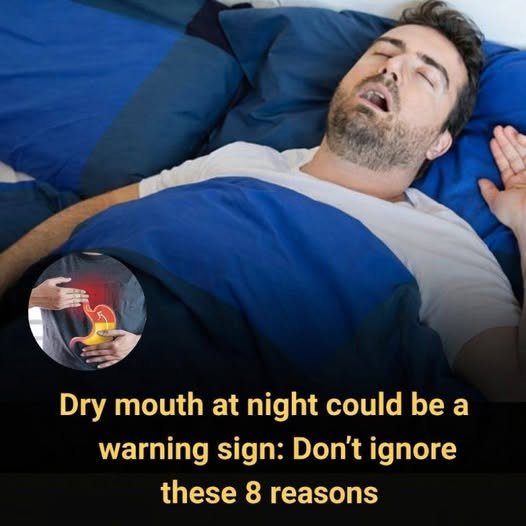
Dry mouth at night (xerostomia) is common and often harmless, but persistent symptoms can sometimes point to an underlying medical or dental issue. If it happens regularly, especially with other symptoms, it’s worth paying attention.
8 warning signs that deserve attention
1. Constant thirst during the night
If you repeatedly wake up needing water, it may indicate:
- Mouth breathing during sleep
- Dehydration
- Side effects of medications
- Conditions such as Type 2 Diabetes
2. Difficulty swallowing
Saliva helps lubricate food and the throat. A chronically dry mouth can make swallowing uncomfortable or cause a sensation that food is sticking.
3. Burning or sore tongue
A dry environment can irritate the tongue and oral tissues, causing:
- Burning sensations
- Tenderness
- Changes in taste
4. Frequent bad breath
Saliva helps control bacteria. Reduced saliva flow allows bacteria to multiply, leading to persistent bad breath despite good oral hygiene.
5. Increased cavities or tooth decay
Saliva protects teeth by neutralizing acids and washing away food particles. People with chronic dry mouth often have a higher risk of:
- Cavities
- Gum disease
- Tooth sensitivity
6. Snoring or sleeping with your mouth open
Nighttime dry mouth is often linked to:
- Nasal congestion
- Allergies
- Sleep-disordered breathing
In some cases, it may be associated with Obstructive Sleep Apnea, especially if accompanied by loud snoring, pauses in breathing, or excessive daytime sleepiness.
7. Thick or stringy saliva
When saliva production decreases, saliva may become unusually thick, sticky, or foamy, making the mouth feel uncomfortable.
8. Dry eyes or other dryness symptoms
Dry mouth combined with dry eyes may occasionally suggest an autoimmune condition such as Sjögren’s Syndrome, which affects moisture-producing glands.
Common causes of dry mouth at night
Medications
Many drugs can reduce saliva production, including:
- Antihistamines
- Antidepressants
- Blood pressure medications
- Some sleep aids
Mouth breathing
Often caused by:
- Nasal congestion
- Deviated septum
- Allergies
Dehydration
Not drinking enough fluids during the day can contribute to nighttime dryness.
Aging
Saliva production may decrease somewhat with age, though persistent dry mouth is not considered a normal part of aging.
Medical conditions
Possible causes include:
- Type 2 Diabetes
- Sjögren’s Syndrome
- Obstructive Sleep Apnea
- Certain neurological disorders
What you can do
- Stay well hydrated throughout the day.
- Avoid alcohol before bedtime.
- Limit caffeine if it worsens symptoms.
- Use a humidifier in the bedroom.
- Treat nasal congestion if present.
- Chew sugar-free gum during the day to stimulate saliva.
- Maintain regular dental checkups.
When to see a healthcare professional
Consider seeking medical or dental evaluation if:
- Dry mouth persists for several weeks.
- You develop frequent cavities or gum problems.
- You have significant difficulty swallowing.
- Dry mouth is accompanied by dry eyes, fatigue, or joint pain.
- You snore heavily or suspect sleep apnea.
- Symptoms are severe enough to disrupt sleep regularly.
Persistent nighttime dry mouth is usually not an emergency, but it can be an important clue to conditions that benefit from diagnosis and treatment.