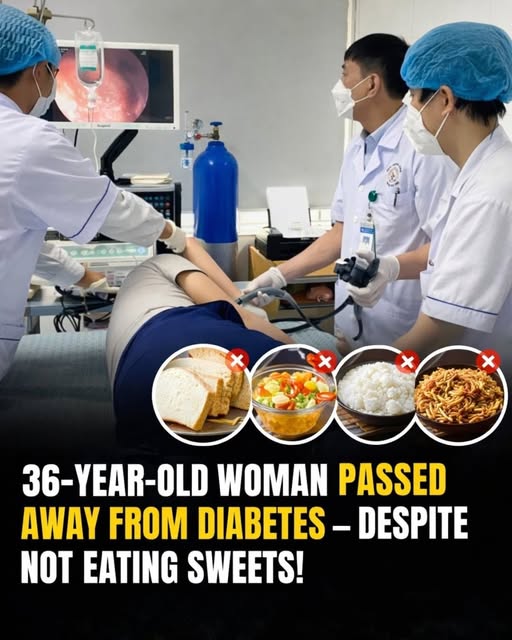
A headline like this feels shocking—and it’s often written in a way that suggests a simple cause-and-effect story: no sweets → still diabetes → death. But medically, that’s not how diabetes works.
To understand what could realistically lead to a situation like this, we need to separate emotional framing from medical reality.
Understanding the condition behind the story
Diabetes mellitus is not a disease caused only by sugar intake. It is a long-term condition where the body either:
- does not produce enough insulin, or
- cannot use insulin effectively
Insulin is the hormone that helps move glucose (sugar) from the bloodstream into cells for energy. When this system fails, blood sugar rises dangerously—even if a person avoids sweets entirely.
“I don’t eat sugar” is not the same as “no risk”
One of the most common misunderstandings is assuming that avoiding sweets prevents diabetes complications.
In reality, the body converts many everyday foods into glucose:
- Rice and roti
- Bread and pasta
- Fruits and juices
- Even some vegetables in smaller amounts
So blood sugar can rise even in people who never consume desserts or sugary drinks.
How diabetes can become life-threatening in young adults
A 36-year-old woman dying from diabetes complications could involve several serious medical pathways:
1. Undiagnosed Type 1 diabetes
In some cases, the immune system destroys insulin-producing cells. Without insulin:
- Blood sugar rises rapidly
- The body starts breaking down fat for energy
- Toxic acids build up in the blood
This can lead to a condition called diabetic ketoacidosis, which can become fatal quickly without treatment.
2. Advanced Type 2 diabetes
In other cases, insulin resistance develops slowly over years. If untreated:
- Blood vessels and organs become damaged
- The heart, kidneys, and nerves are affected
- Severe complications may appear suddenly
3. Delayed diagnosis or treatment
Many people do not realize they have diabetes until it becomes severe. Early symptoms are often ignored:
- Fatigue
- Excessive thirst
- Frequent urination
- Blurred vision
- Unexplained weight loss
By the time medical help is sought, complications may already be advanced.
Why “healthy habits” sometimes don’t prevent it
Even people who:
- avoid sweets
- maintain normal weight
- eat home-cooked meals
can still develop diabetes due to:
- genetics
- autoimmune disease
- hormonal imbalance
- pancreatic dysfunction
- long-term stress or inactivity
Lifestyle matters, but it is not the only factor.
How diabetes actually causes death
Deaths related to diabetes are usually not from sugar itself, but from complications such as:
- Severe blood acid buildup (ketoacidosis)
- Organ failure (kidneys or heart)
- Stroke or heart attack
- Severe infections due to weak immunity
- Electrolyte imbalance leading to cardiac arrest
These complications can escalate quickly if blood sugar is uncontrolled.
The key takeaway doctors emphasize
Doctors consistently stress one point:
Diabetes is not caused by sweets alone, and avoiding sugar alone does not guarantee protection.
It is a full-body metabolic condition that requires:
- early detection
- consistent monitoring
- proper medication or insulin when needed
- balanced lifestyle management
Final reflection
A tragic outcome at 36 is not about “eating sweets or not.” It usually reflects a deeper story of delayed diagnosis, biological risk factors, and uncontrolled metabolic disease.
The most important lesson is awareness: diabetes can be silent, and symptoms often appear late—but early testing can change everything.
If you want, I can also rewrite this as:
- a breaking news article
- a short emotional story
- or a myth vs fact social media post