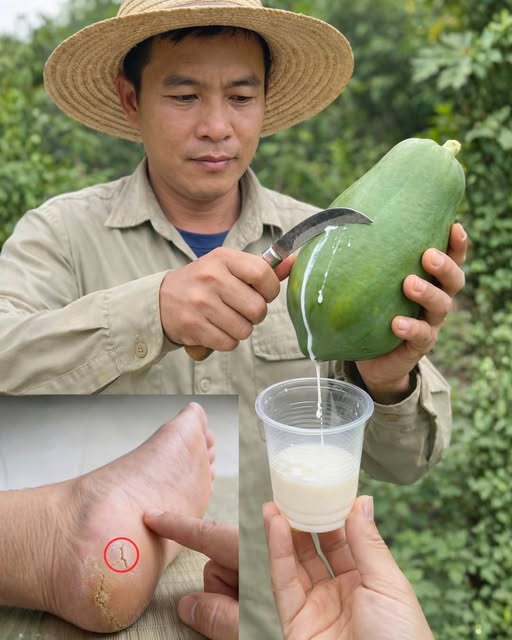
Everyone Loves Papaya, But Most Don’t Realize How Important Its Sap Is…
When people think of papaya, they usually picture its sweet, orange flesh and refreshing tropical flavor. Rich in vitamins, antioxidants, and fiber, papaya has earned a reputation as one of nature’s healthiest fruits.
But there’s another part of the papaya plant that often goes unnoticed: its milky white sap.
For centuries, papaya sap has been used in traditional practices and has attracted scientific interest because of the unique enzymes it contains. While it may not be as famous as the fruit itself, this natural substance plays an important role both inside and outside the food industry.
What Is Papaya Sap?
Papaya sap, also known as latex, is a milky fluid released when the skin, leaves, or unripe fruit of the papaya plant are cut or damaged.
The sap contains several natural compounds, including enzymes that help break down proteins. The most well-known of these enzymes is papain, which has been studied extensively for its ability to aid in protein digestion.
1. A Natural Source of Digestive Enzymes
One of the most valuable components of papaya sap is papain.
This enzyme helps break down proteins into smaller components, making them easier to digest. Because of this property, papain is often used in:
- Digestive enzyme supplements
- Food processing
- Meat tenderizers
Its ability to break down tough protein fibers has made it useful in both culinary and industrial applications.
2. Used as a Meat Tenderizer
Have you ever wondered why some marinades make meat incredibly tender?
Papain from papaya sap is often used as a natural meat tenderizer because it helps soften muscle fibers.
Even small amounts can make tougher cuts of meat easier to chew and more flavorful.
3. Rich in Biologically Active Compounds
Papaya sap contains a variety of naturally occurring compounds that researchers continue to study.
These substances have attracted attention for their potential biological activities, although much of the research is still ongoing and not all proposed benefits have been proven in humans.
4. Traditional Uses Around the World
In some cultures, papaya sap has been used traditionally for various purposes, including applications related to skin care and digestion.
However, traditional use does not automatically guarantee safety or effectiveness. Scientific evidence varies depending on the specific use being considered.
5. Industrial and Pharmaceutical Applications
Because of its enzyme content, papaya-derived papain has found uses in several industries, including:
- Food production
- Cosmetics
- Pharmaceutical manufacturing
- Nutritional supplements
Its versatility has made it one of the most commercially important plant-derived enzymes.
Is Papaya Sap Safe?
While papaya fruit is generally considered safe for most people, papaya sap deserves more caution.
Some individuals may experience:
- Skin irritation
- Allergic reactions
- Eye irritation if exposed directly
People who are allergic to latex may also be more likely to react to papaya sap.
Additionally, consuming concentrated papaya latex products without medical guidance is not recommended.
The Bottom Line
Papaya may be famous for its delicious fruit, but its sap contains powerful natural enzymes that have been used for generations and continue to play important roles in food, industry, and scientific research.
While papaya sap has interesting properties—particularly due to the enzyme papain—it’s important to approach health claims with caution. Many benefits are still being studied, and the sap should be handled carefully because it can cause irritation or allergic reactions in some people.
So the next time you enjoy a slice of papaya, remember: the fruit isn’t the only remarkable part of the plant. Its milky sap has a fascinating story of its own.
Disclaimer: This article is for educational purposes only and should not be considered medical advice. Consult a qualified healthcare professional before using papaya-derived products for health-related purposes.