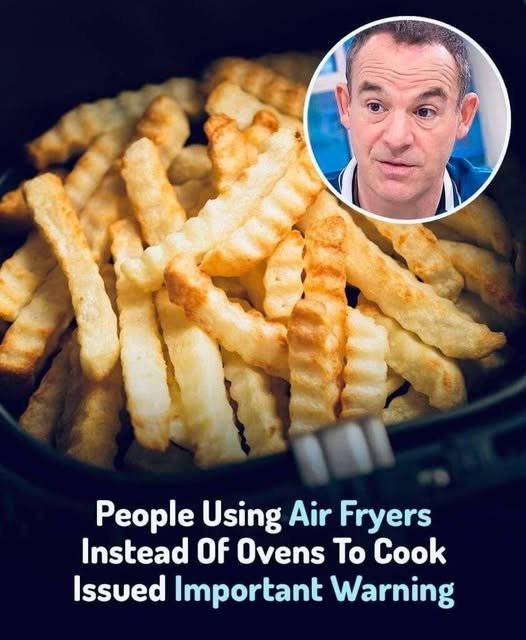
Air fryers have become one of the most popular kitchen appliances in recent years, promising crispy, delicious meals with less oil and faster cooking times. For many households, they’ve become the go-to alternative to a conventional oven. However, some cooking experts and nutrition professionals caution against relying on an air fryer for every meal. While air fryers have plenty of advantages, they aren’t always the best choice for every type of cooking.
Here’s what experts say about the differences between air fryers and traditional ovens—and when each appliance shines.
Why Air Fryers Are So Popular
Air fryers work by circulating very hot air around food at high speed, creating a crispy exterior similar to deep frying but with little or no added oil.
Benefits include:
- Faster preheating and cooking times
- Crispy texture with less oil
- Lower energy use for small meals
- Easy cleanup on many models
- Great for reheating leftovers
These advantages make air fryers ideal for busy families and smaller households.
Why Experts Recommend Keeping Your Oven
Despite their popularity, air fryers aren’t a complete replacement for a conventional oven.
1. Limited Cooking Capacity
Most air fryers have relatively small baskets, making them less suitable for:
- Large family meals
- Whole chickens or large roasts
- Multiple dishes cooked at once
- Holiday dinners
An oven provides much more cooking space and can handle several trays simultaneously.
2. Uneven Cooking Can Occur
Because food is packed into a basket, overcrowding may prevent hot air from circulating properly.
This can lead to:
- Uneven browning
- Soggy spots
- Undercooked centres
Shaking or turning food during cooking often helps.
3. Not Every Food Benefits
Air fryers excel at crisping foods but may not perform as well for:
- Large cakes
- Bread baking
- Delicate pastries
- Soufflés
- Large casseroles
Traditional ovens generally provide more even heat for baking.
4. Texture Isn’t Always Better
Some foods become too dry in an air fryer if cooked too long or at excessive temperatures.
Examples include:
- Lean chicken breast
- Fish fillets
- Certain vegetables
Following recipe-specific cooking times can help prevent overcooking.
5. Potential Smoke
Foods high in fat can release grease that smokes if it accumulates on heating elements or in the basket.
Regular cleaning helps minimise smoke and unwanted odours.
Are There Health Concerns?
Air fryers can support healthier cooking by reducing the amount of oil needed for many recipes. However, no appliance automatically makes food healthy.
A meal of heavily processed frozen foods cooked in an air fryer may still be high in salt, saturated fat, or calories.
Some researchers also note that cooking starchy foods at very high temperatures—whether in an air fryer, oven, or by frying—can produce compounds such as acrylamide. Cooking foods until golden rather than heavily browned and avoiding burning can help reduce this risk.
Best Uses for an Air Fryer
Air fryers are excellent for:
- Chips and wedges
- Chicken wings
- Vegetables
- Fish fingers
- Frozen snacks
- Reheating pizza
- Roasted chickpeas
Best Uses for an Oven
Traditional ovens remain the better option for:
- Baking bread and cakes
- Roasting large cuts of meat
- Batch cooking
- Family-sized meals
- Multiple trays of food
- Large casseroles and lasagne
Which Is More Energy Efficient?
For small portions, an air fryer often uses less electricity because it heats up quickly and has a smaller cooking chamber. However, for larger meals, using an oven may be more practical since it can cook several dishes at once.
The Bottom Line
Experts aren’t warning people to stop using air fryers—they’re simply pointing out that they aren’t a universal replacement for a conventional oven. Air fryers are excellent for quick, crispy meals and reheating leftovers, while ovens remain the better choice for baking, roasting large meals, and cooking multiple dishes at the same time.
The best kitchen setup often includes both appliances, allowing you to choose the one that best suits the meal you’re preparing.