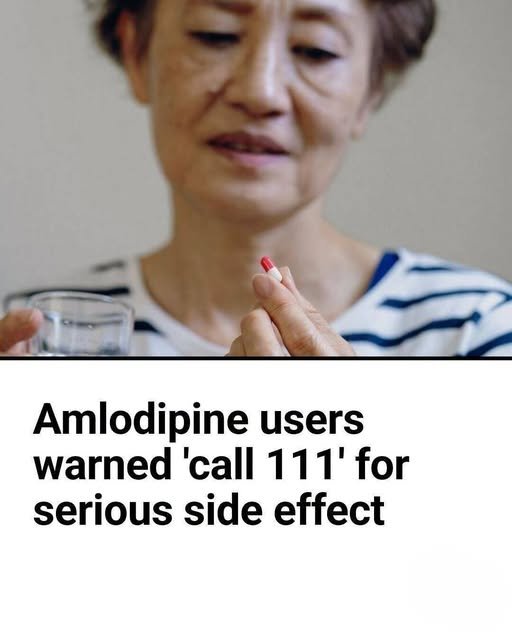
Amlodipine is one of the most commonly prescribed medications for high blood pressure (hypertension) and angina (chest pain). It belongs to a group of medicines called calcium channel blockers, which work by relaxing blood vessels, allowing blood to flow more easily and reducing the workload on the heart.
Most people take amlodipine without experiencing serious problems. However, like all medications, it can cause side effects. While many are mild and improve over time, some symptoms require prompt medical advice.
Important: This article is for educational purposes only and should not replace medical advice. If you think you’re experiencing a serious side effect, seek guidance from your healthcare provider or local health service.
What Is Amlodipine Used For?
Doctors commonly prescribe amlodipine to:
- Treat high blood pressure
- Help prevent angina (chest pain)
- Improve blood flow by relaxing blood vessels
- Lower the risk of complications related to uncontrolled hypertension
Taking amlodipine as prescribed can help reduce the long-term risk of heart attack, stroke, and kidney disease associated with high blood pressure.
Common Side Effects
Many people experience few or no side effects. When side effects do occur, they’re often mild and may improve as the body adjusts to the medication.
Common side effects include:
- Swollen ankles or feet
- Flushing or warmth in the face
- Headache
- Dizziness
- Feeling tired
- Mild nausea
If these symptoms become troublesome or persist, speak with your healthcare provider.
A Serious Side Effect That Needs Prompt Medical Advice
People taking amlodipine are advised to seek prompt medical advice if they develop new or worsening chest pain, especially soon after starting the medicine or after a dose increase.
Although uncommon, some people may experience:
- Chest pain that is new or more severe
- Tightness or pressure in the chest
- Pain spreading to the arm, jaw, neck, or back
- Shortness of breath
- Sweating or feeling faint
These symptoms could indicate a serious heart problem and should never be ignored.
In the UK, official guidance may advise calling NHS 111 for urgent medical advice if you develop concerning symptoms that are not immediately life-threatening. However, if symptoms suggest a heart attack—such as severe chest pain, difficulty breathing, or collapse—call emergency services (999 in the UK) immediately instead of waiting for advice.
Other Symptoms That Need Urgent Medical Attention
Seek urgent medical care if you develop:
Severe Allergic Reaction
Signs include:
- Swelling of the face, lips, tongue, or throat
- Difficulty breathing
- Severe rash or hives
These symptoms require emergency treatment.
Severe Dizziness or Fainting
If you faint or become extremely dizzy, especially after starting amlodipine, seek medical advice promptly.
Yellow Skin or Eyes
Yellowing of the skin or eyes may suggest a liver problem and should be assessed by a healthcare professional.
Unusual Swelling
While mild ankle swelling is a common side effect, sudden or severe swelling—particularly if accompanied by shortness of breath—should be evaluated promptly.
Who May Be More Sensitive to Side Effects?
Certain people may have a higher risk of side effects, including:
- Older adults
- People with liver disease
- Those taking multiple blood pressure medications
- Individuals with certain heart conditions
Always inform your healthcare provider about all medicines and supplements you take.
Should You Stop Taking Amlodipine?
Do not stop taking amlodipine suddenly unless your healthcare provider tells you to.
Stopping blood pressure medication without medical advice can lead to:
- Poorly controlled blood pressure
- Increased risk of heart attack or stroke
- Return of angina symptoms
If you think you’re experiencing side effects, contact your healthcare provider before making changes to your medication.
Tips for Taking Amlodipine Safely
- Take it at the same time each day.
- Follow your prescribed dose.
- Monitor your blood pressure if advised.
- Attend regular follow-up appointments.
- Report any unusual or persistent side effects.
- Limit alcohol if it worsens dizziness.
- Rise slowly from sitting or lying down if you feel light-headed.
Final Thoughts
Amlodipine is an effective and widely used medication for managing high blood pressure and angina. Most side effects are mild, but it’s important to recognise symptoms that may indicate a more serious problem, such as new or worsening chest pain, severe dizziness, allergic reactions, or signs of liver problems.
If you develop concerning symptoms, seek medical advice promptly. In the UK, NHS 111 can provide urgent guidance for non-life-threatening concerns, while 999 should be called immediately if you experience symptoms suggestive of a heart attack or another medical emergency. Never stop taking amlodipine without consulting your healthcare provider.