Blocked or narrowed arteries (atherosclerosis) often develop silently over many years. Recognising genuine warning signs and managing risk factors can help reduce the chance of a heart attack or stroke.
1. Chest Pain or Pressure (Angina)
One of the most common symptoms of coronary artery disease is a feeling of pressure, tightness, heaviness, or pain in the chest. It often occurs during physical activity or emotional stress and improves with rest.
Seek emergency medical care immediately if chest pain is severe, lasts more than a few minutes, or occurs with sweating, nausea, or shortness of breath.
2. Shortness of Breath
When the heart cannot pump blood efficiently because of narrowed arteries, you may become breathless during everyday activities or even while resting.
3. Pain in the Arms, Neck, Jaw, Back, or Shoulders
Heart-related pain doesn’t always stay in the chest. Discomfort may spread to the left or right arm, jaw, neck, shoulders, or upper back. Women are especially likely to experience these less typical symptoms.
4. Leg Pain While Walking (Claudication)
Pain, cramping, or fatigue in the calves, thighs, or hips during walking that improves with rest may indicate peripheral artery disease (PAD), a condition caused by narrowed arteries in the legs.
5. Cold, Pale, or Numb Feet
Poor circulation caused by narrowed arteries can reduce blood flow to the feet and toes, making them feel unusually cold or appear pale or bluish.
6. Slow-Healing Wounds
Cuts or sores on the feet or legs that heal very slowly or become infected may be a sign that blood flow is impaired.
7. Erectile Dysfunction
In some men, erectile dysfunction may be an early indicator of blood vessel disease because the arteries supplying the penis are smaller and can become narrowed before larger arteries.
8. Sudden Weakness or Numbness
Sudden weakness, numbness, difficulty speaking, vision changes, or loss of balance may signal a stroke caused by reduced blood flow to the brain.
Call emergency services immediately if these symptoms occur.
9. Fatigue
Persistent, unexplained fatigue—particularly when combined with other symptoms—may occur if the heart isn’t receiving enough oxygen-rich blood.
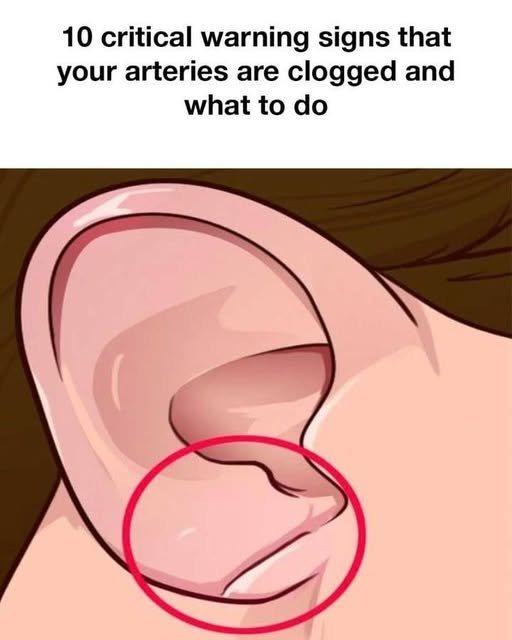
10. Earlobe Crease (Frank’s Sign)
A diagonal crease running from the ear canal toward the edge of the earlobe has been linked in some research to an increased likelihood of cardiovascular disease. However:
- It does not diagnose blocked arteries.
- It should never be used on its own to judge heart health.
- Traditional risk factors and medical testing are far more important.
Who Is Most at Risk?
Your risk of developing clogged arteries increases if you have:
- High blood pressure
- High LDL (“bad”) cholesterol
- Diabetes
- Smoking history
- Obesity
- Physical inactivity
- A family history of heart disease
- Older age
What You Can Do
Although you cannot reverse advanced artery disease on your own, healthy lifestyle changes can slow its progression and reduce your risk of complications.
- Eat a diet rich in vegetables, fruits, whole grains, beans, fish, and healthy fats.
- Exercise for at least 150 minutes of moderate activity per week, if approved by your healthcare provider.
- Maintain a healthy weight.
- Stop smoking and avoid second-hand smoke.
- Control blood pressure, cholesterol, and blood sugar.
- Take prescribed medications exactly as directed.
- Attend regular medical check-ups, especially if you have risk factors.
When to See a Doctor
Arrange a medical evaluation if you experience recurring chest discomfort, leg pain while walking, unexplained shortness of breath, or have multiple cardiovascular risk factors—even if you feel well.
Seek emergency medical attention immediately for symptoms of a heart attack (persistent chest pain, pain spreading to the arm or jaw, severe shortness of breath) or stroke (sudden weakness, facial drooping, speech difficulty, or vision changes).
Bottom Line
The image’s suggestion that an earlobe crease alone means your arteries are clogged is misleading. While it has been studied as a possible marker of cardiovascular risk, it is not a diagnostic sign. The most reliable way to assess artery health is through a medical evaluation that considers your symptoms, risk factors, physical examination, and, when appropriate, tests such as cholesterol measurements, blood pressure checks, and cardiac imaging.