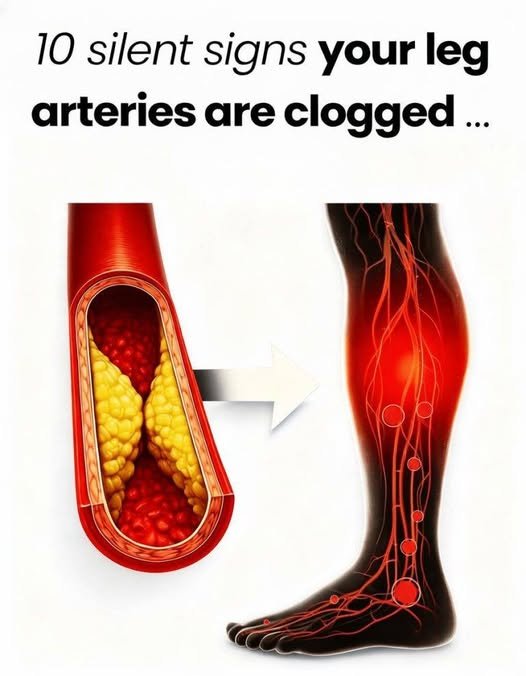
Your legs do much more than carry you from place to place—they can also reveal important clues about your heart and blood vessel health. One condition that often develops quietly is peripheral artery disease (PAD), which occurs when fatty deposits (plaque) build up in the arteries supplying blood to the legs. This reduces blood flow and can lead to pain, slow healing, and, in severe cases, tissue damage.
The tricky part is that many people dismiss the early symptoms as signs of ageing, muscle strain, or simply being out of shape. Recognising these warning signs early can help you seek medical advice before the condition becomes more serious.
1. Leg Pain While Walking (Claudication)
One of the most common early signs of clogged leg arteries is pain, cramping, or aching in the calves, thighs, or buttocks during physical activity. The discomfort usually improves after a few minutes of rest but returns when you start walking again.
This happens because narrowed arteries cannot deliver enough oxygen-rich blood to your muscles during exercise.
2. Cold Feet or Lower Legs
If one foot or leg consistently feels colder than the other, it may be due to reduced blood circulation. Poor blood flow can make the affected limb feel unusually cool, even in warm weather.
3. Numbness or Weakness
Reduced blood supply may cause your legs or feet to feel numb, weak, or unusually tired. Some people notice that climbing stairs or walking uphill becomes much more difficult than before.
4. Slow-Healing Wounds
Cuts, blisters, or sores on the feet or legs that take an unusually long time to heal may indicate poor circulation. Without adequate blood flow, tissues receive less oxygen and fewer nutrients needed for healing.
If a wound becomes infected or refuses to heal, medical attention is important.
5. Changes in Skin Colour
Poor circulation can cause noticeable skin changes, including:
- Pale skin
- Bluish or purplish colouring
- Shiny skin
- Thinning skin
These changes may occur gradually and should not be ignored.
6. Hair Loss on the Legs
A reduction in blood flow can affect hair follicles. As a result, you may notice:
- Less hair growing on your legs or feet
- Hair falling out over time
- Smooth, shiny skin where hair once grew
While hair loss can have many causes, it may be a sign of circulation problems when accompanied by other symptoms.
7. Weak or Absent Pulse in the Feet
Healthcare professionals often check the pulse on the top of the foot or behind the ankle. A weak or absent pulse may suggest narrowed arteries.
This isn’t something most people can reliably assess themselves, but it’s an important finding during a medical examination.
8. Foot Pain at Rest
As clogged arteries become more severe, pain may occur even when you’re resting or lying in bed. Some people find that hanging their legs over the side of the bed provides temporary relief because gravity helps improve blood flow.
Pain at rest is a sign that requires prompt medical evaluation.
9. Thick or Slow-Growing Toenails
Poor circulation can affect nail growth, leading to:
- Thickened toenails
- Brittle nails
- Nails that grow more slowly than usual
Although fungal infections are a common cause of nail changes, poor blood flow may also contribute.
10. Erectile Dysfunction in Men
In some men, erectile dysfunction may be associated with widespread narrowing of the arteries, including those supplying the legs and pelvis. While many factors can contribute to erectile dysfunction, vascular disease is one possible cause that should be discussed with a healthcare professional.
Who Is Most at Risk?
Several factors increase the likelihood of developing clogged leg arteries, including:
- Smoking
- Diabetes
- High blood pressure
- High cholesterol
- Obesity
- Physical inactivity
- Increasing age
- A family history of cardiovascular disease
Managing these risk factors can help reduce the likelihood of developing PAD.
When Should You See a Doctor?
You should arrange a medical evaluation if you experience:
- Leg pain that repeatedly occurs during walking
- Non-healing sores on your feet or legs
- Sudden changes in skin colour or temperature
- Pain in the legs while resting
- Persistent numbness or weakness
A healthcare professional may recommend tests such as an ankle-brachial index (ABI), ultrasound, or other imaging studies to assess blood flow.
Can Clogged Arteries Be Treated?
Yes. Treatment depends on the severity of the condition and may include:
- Stopping smoking
- Regular supervised exercise
- A heart-healthy diet
- Medicines to lower cholesterol or reduce blood clotting (when prescribed)
- Managing diabetes and blood pressure
- Procedures such as angioplasty or surgery in more advanced cases
Early treatment can improve symptoms and reduce the risk of serious complications.
Final Thoughts
Clogged arteries in the legs often develop gradually, making the warning signs easy to overlook. Persistent leg pain during walking, cold feet, slow-healing wounds, skin changes, or pain at rest are all symptoms that deserve medical attention.
While these symptoms can be caused by peripheral artery disease, they are not specific to it. Other conditions can produce similar signs, so a proper medical evaluation is needed to determine the cause. If you notice persistent or worsening symptoms, it’s best to consult a healthcare professional promptly. Early diagnosis and treatment can help protect both your mobility and your overall cardiovascular health.