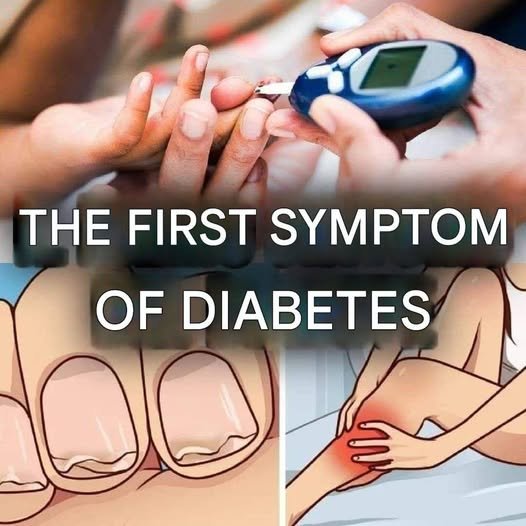
The Most Surprising Symptoms of Diabetes (1/3)
Most people associate Diabetes with the “classic” signs: frequent urination, extreme thirst, and changes in weight. But in reality, the body often sends out quieter, more unexpected signals long before those obvious symptoms appear.
This first part of the series focuses on the lesser-known and often overlooked symptoms that can be easy to miss or misread.
1. Constant fatigue that doesn’t improve with rest
Feeling tired is normal, but diabetes-related fatigue is different. It tends to feel persistent and “heavy,” even after a full night’s sleep. This happens because the body struggles to properly use glucose for energy, leaving cells under-fueled.
2. Blurry or fluctuating vision
One of the surprising early effects is vision that seems to change throughout the day. High blood sugar can pull fluid into the eye’s lens, temporarily altering its shape. This can cause intermittent blurriness that comes and goes, often mistaken for eye strain.
3. Frequent skin and gum infections
When blood sugar is elevated, bacteria and fungi find it easier to thrive. This can lead to recurring gum inflammation, slow-healing mouth infections, or skin issues that keep coming back despite treatment. It’s often dismissed as “bad hygiene” or a weak immune system, but blood sugar may be the underlying factor.
4. Slow healing cuts and bruises
Small injuries that take unusually long to heal can be an early clue. High glucose levels can affect circulation and immune response, meaning even minor cuts may linger longer than expected.
5. Increased hunger even after eating
This symptom is easy to misinterpret. The body may be getting enough food, but if glucose can’t properly enter cells, the brain still signals hunger. This can create a cycle of eating more without feeling satisfied.
6. Unexplained irritability or mood shifts
Blood sugar fluctuations can influence brain function and energy levels. Some people experience irritability, difficulty concentrating, or mood swings that don’t seem to have a clear cause.
Why these symptoms matter
These signs are often subtle on their own, but together they can point toward early metabolic changes. Because they don’t always feel “medical,” many people ignore them until more obvious symptoms appear.
In Part 2, we’ll look at the more unusual physical signs—especially those that appear on the skin, in breath, and in daily bodily functions.