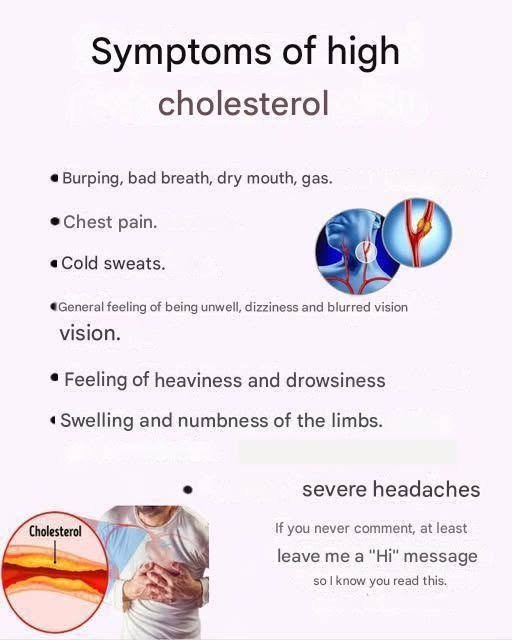
High cholesterol is often called a “silent killer” because it can quietly damage your body for years without causing any noticeable symptoms. Many people assume that if they feel healthy, their cholesterol levels must be normal. Unfortunately, that isn’t always true.
Millions of people around the world live with elevated cholesterol levels and have no idea their arteries are slowly becoming clogged. By the time symptoms appear, serious complications such as heart attacks, strokes, or cardiovascular disease may have already developed.
Understanding what cholesterol is, why it becomes dangerous, and how to manage it can help protect your heart and improve your long-term health.
What Is Cholesterol?
Cholesterol is a waxy, fat-like substance found in every cell of the body. Despite its bad reputation, cholesterol is actually essential for survival.
Your body uses cholesterol to:
- Build healthy cells
- Produce hormones
- Create vitamin D
- Aid digestion through bile acids
- Support normal body functions
The liver naturally produces all the cholesterol your body needs. However, cholesterol also enters the body through foods, especially those high in saturated and trans fats.
Problems occur when cholesterol levels become too high.
The Different Types of Cholesterol
Not all cholesterol is the same.
LDL Cholesterol (The “Bad” Cholesterol)
Low-Density Lipoprotein (LDL) carries cholesterol through the bloodstream.
When LDL levels become too high:
- Cholesterol can stick to artery walls
- Plaque begins to build up
- Blood flow becomes restricted
- Risk of heart disease increases
High LDL is the primary concern for most healthcare professionals.
HDL Cholesterol (The “Good” Cholesterol)
High-Density Lipoprotein (HDL) helps remove excess cholesterol from the bloodstream.
HDL carries cholesterol back to the liver, where it can be processed and eliminated.
Higher HDL levels are generally associated with better heart health.
Triglycerides
Triglycerides are another type of fat found in the blood.
High triglyceride levels often occur alongside high cholesterol and can further increase the risk of:
- Heart disease
- Stroke
- Metabolic syndrome
Why High Cholesterol Is Called a Silent Enemy
One of the most dangerous aspects of high cholesterol is that it usually produces no warning signs.
Unlike many illnesses, high cholesterol typically does not cause:
- Pain
- Fatigue
- Dizziness
- Fever
- Obvious physical symptoms
A person may feel completely healthy while plaque continues to build inside their arteries.
Because there are often no symptoms, many people only discover they have high cholesterol after:
- A routine blood test
- A heart attack
- A stroke
- A cardiovascular emergency
How High Cholesterol Damages the Body
Over time, excess LDL cholesterol can attach to the inner walls of arteries.
This process creates fatty deposits known as plaque.
As plaque accumulates:
- Arteries become narrower.
- Blood flow decreases.
- The heart must work harder.
- Oxygen delivery to organs becomes less efficient.
Eventually, a plaque can rupture, causing a blood clot that blocks circulation entirely.
This may result in:
- Heart attack
- Stroke
- Peripheral artery disease
Risk Factors for High Cholesterol
Several factors can increase cholesterol levels.
Poor Diet
A diet high in:
- Fried foods
- Fast food
- Processed snacks
- Fatty meats
- Sugary beverages
can contribute significantly to elevated cholesterol.
Lack of Physical Activity
Regular exercise helps:
- Raise HDL cholesterol
- Lower LDL cholesterol
- Improve overall cardiovascular health
A sedentary lifestyle increases risk.
Obesity
Excess body weight is strongly linked to:
- Higher LDL levels
- Lower HDL levels
- Increased triglycerides
Smoking
Smoking damages blood vessels and lowers protective HDL cholesterol.
It also accelerates plaque buildup.
Excessive Alcohol Consumption
Heavy drinking may increase triglyceride levels and contribute to cardiovascular problems.
Family History
Genetics play a major role.
Some individuals inherit conditions such as familial hypercholesterolemia, causing extremely high cholesterol levels even with a healthy lifestyle.
Age
As people get older, cholesterol levels often rise naturally.
Risk generally increases with age.
Symptoms That May Appear Later
Although high cholesterol itself rarely causes symptoms, complications from blocked arteries can produce warning signs.
These may include:
Chest Pain (Angina)
Reduced blood flow to the heart can cause pressure or discomfort in the chest.
Shortness of Breath
Narrowed arteries may limit oxygen delivery during physical activity.
Heart Attack Symptoms
- Severe chest pain
- Pain radiating to the arm, neck, jaw, or back
- Sweating
- Nausea
Stroke Symptoms
- Sudden weakness
- Facial drooping
- Difficulty speaking
- Vision problems
These symptoms require immediate medical attention.
How High Cholesterol Is Diagnosed
The only reliable way to detect high cholesterol is through a blood test called a lipid profile or lipid panel.
The test measures:
- Total cholesterol
- LDL cholesterol
- HDL cholesterol
- Triglycerides
Healthcare providers often recommend regular screening, especially for adults over 20 years old or individuals with cardiovascular risk factors.
Cholesterol Numbers: What Do They Mean?
While exact targets vary by individual risk factors, general guidelines often include:
| Measurement | Desirable Level |
|---|---|
| Total Cholesterol | Below 200 mg/dL |
| LDL Cholesterol | Below 100 mg/dL |
| HDL Cholesterol | Above 40 mg/dL (men) |
| HDL Cholesterol | Above 50 mg/dL (women) |
| Triglycerides | Below 150 mg/dL |
Your doctor may recommend different targets based on your overall health.
How to Lower High Cholesterol Naturally
Many people can improve cholesterol levels through lifestyle changes.
Eat More Heart-Healthy Foods
Focus on:
- Oats
- Whole grains
- Beans
- Lentils
- Fruits
- Vegetables
- Nuts
- Seeds
- Fatty fish
These foods can help reduce LDL cholesterol.
Increase Soluble Fiber
Soluble fiber helps remove cholesterol from the body.
Good sources include:
- Oatmeal
- Apples
- Pears
- Barley
- Legumes
Choose Healthy Fats
Replace saturated fats with healthier options such as:
- Olive oil
- Avocados
- Nuts
- Fatty fish
Exercise Regularly
Aim for at least:
- 150 minutes of moderate aerobic activity weekly
Regular exercise can improve both cholesterol levels and heart health.
Maintain a Healthy Weight
Even modest weight loss can improve cholesterol profiles.
Stop Smoking
Quitting smoking can quickly improve cardiovascular health and HDL cholesterol levels.
When Medication May Be Needed
Lifestyle changes are important, but some individuals require medication.
Doctors may prescribe cholesterol-lowering medications such as:
- Statins
- Cholesterol absorption inhibitors
- PCSK9 inhibitors
- Bile acid sequestrants
Medication decisions depend on:
- Cholesterol levels
- Age
- Family history
- Existing heart disease
- Overall cardiovascular risk
Always take medications exactly as prescribed.
Prevention Is Better Than Treatment
The best way to fight high cholesterol is to prevent it from becoming a problem.
Healthy habits include:
- Eating a balanced diet
- Exercising regularly
- Avoiding tobacco
- Managing weight
- Limiting alcohol
- Getting regular health checkups
Early detection allows treatment before serious complications develop.
Conclusion
High cholesterol is a silent enemy because it often causes no symptoms until significant damage has already occurred. While you may feel perfectly healthy, elevated cholesterol can gradually narrow arteries and increase the risk of heart attack, stroke, and other cardiovascular diseases.
The good news is that high cholesterol is one of the most manageable health conditions. Through regular screening, healthy lifestyle choices, and medical treatment when necessary, you can significantly reduce your risk and protect your heart for years to come.
Remember: You cannot feel high cholesterol, but you can detect it, manage it, and prevent its consequences. Regular cholesterol checks may be one of the most important investments you make in your long-term health.
Disclaimer: This article is for educational purposes only and should not replace professional medical advice, diagnosis, or treatment. Consult a qualified healthcare professional regarding your individual health concerns.