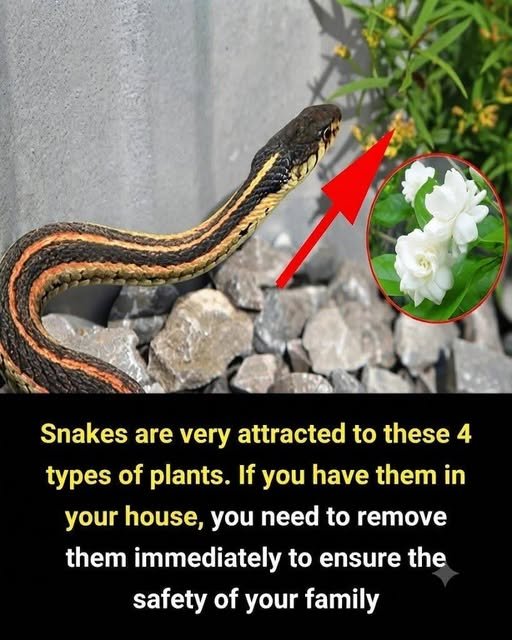
Snakes (snake) don’t randomly “choose” a yard because of plants alone. What really draws them is a combination of shelter, moisture, shade, and—most importantly—food sources like rodents, frogs, and insects. However, certain types of plants and landscaping styles can unintentionally create the perfect environment for them to settle in.
If you’ve ever wondered why snakes seem to appear more in some gardens than others, the answer is often hiding in the way the vegetation is structured.
1. Dense Ground Cover: A Perfect Hidden Highway
Plants that spread across the ground—like ivy, creeping vines, or thick ornamental ground covers—create a continuous layer of cover.
From a snake’s perspective, this is ideal:
- They can move unseen
- The soil stays cooler and moist underneath
- Predators and humans are less likely to disturb them
The problem isn’t the plant itself, but the lack of visibility. Once ground cover becomes too thick, it effectively becomes a safe corridor for snakes to travel and hunt.
2. Overgrown Grass and Tall Weeds
Untrimmed lawns or wild grassy patches are one of the most common snake-friendly conditions.
Tall grass provides:
- Excellent camouflage
- Shelter from heat (especially important in hot climates like Pakistan)
- Hunting grounds for rodents and lizards
Even a relatively small patch of neglected grass along fences, walls, or garden edges can become a “resting zone” for snakes.
3. Thick Shrubs and Poorly Pruned Bushes
Shrubs and hedges are not dangerous by themselves. The issue arises when they are planted too close together or left unmaintained.
Over time, they form:
- Dark, enclosed tunnels
- Cool shaded pockets
- Undisturbed nesting areas for small animals (which attract snakes indirectly)
If shrubs touch the ground and are not trimmed underneath, they become especially attractive hiding spots.
4. Bamboo Groves and Dense Clusters
Bamboo grows quickly and forms tight clusters with very little open space inside. This makes it:
- Cool and humid inside
- Difficult for predators or humans to inspect
- Ideal for rodents and insects to thrive
As a result, bamboo patches often become indirect “food hubs,” which in turn attract snakes looking for prey.
5. Overgrown Vegetable and Flower Gardens
Home gardens with tomatoes, squash, pumpkins, or dense flowering plants can unintentionally create a layered jungle effect when not managed properly.
These areas become appealing because:
- Leaves form overlapping cover
- Moist soil attracts insects and frogs
- Fruits and compost can attract rodents
A well-maintained garden is usually not a problem—but a neglected one can become a mini ecosystem that supports snake activity.
6. The Real Issue: Habitat, Not Just Plants
It’s important to understand that snakes are not “plant lovers.” They are simply responding to what the plants create:
- Cool hiding places
- High humidity zones
- Abundant prey (especially rodents)
- Low human disturbance
So when plants are unmanaged, they unintentionally create a full survival package.
7. What Homeowners Often Overlook
Many snake sightings happen not in the middle of gardens, but in the edges:
- Along boundary walls with overgrown grass
- Near wood piles hidden behind bushes
- Under thick hedges near sheds or water taps
- Around compost or garbage areas surrounded by plants
These edge zones are where snakes feel safest moving between shelter and food sources.
8. Simple Prevention Without Destroying Your Garden
You don’t need to remove plants to reduce snake activity. Instead, focus on structure:
- Keep grass trimmed short, especially near walls and pathways
- Prune shrubs so air and light can pass through
- Avoid letting plants touch or overlap ground structures
- Clear clutter like bricks, wood, or unused pots
- Reduce rodent activity (this is the biggest long-term solution)
A clean, open garden layout naturally discourages snakes while still allowing greenery.
Final Thought
Plants themselves aren’t the problem—landscaping habits are. Dense, unmanaged vegetation turns a normal garden into a hidden network of shelter and food, which is exactly what makes it attractive to snakes.
With a bit of regular maintenance, you can keep your yard green, healthy, and far less welcoming to them without needing to remove the plants you enjoy.