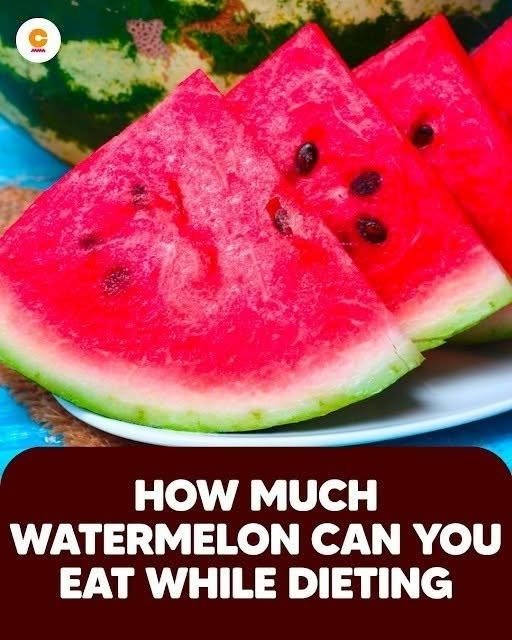
Watermelon is one of the most refreshing fruits you can enjoy, especially during warm weather. It’s naturally sweet, hydrating, and low in calories, making it a popular choice for people trying to lose weight or maintain a healthy diet. But because it contains natural sugars, many people wonder: Can you eat too much watermelon while dieting?
The short answer is yes—but for most people, watermelon can absolutely fit into a balanced weight-loss plan when eaten in reasonable portions.
Is Watermelon Good for Weight Loss?
Watermelon is made up of about 90% water, which helps keep you hydrated and may increase feelings of fullness. It’s also relatively low in calories compared with many snack foods.
A typical serving of 2 cups (about 300 grams) of diced watermelon contains approximately:
- Around 90 calories
- About 22 grams of carbohydrates
- Roughly 18 grams of natural sugars
- About 1 gram of fibre
- Small amounts of vitamin C, vitamin A, potassium, and antioxidants such as lycopene
Because it has a high water content, watermelon provides plenty of volume for relatively few calories.
How Much Watermelon Can You Eat on a Diet?
The ideal amount depends on your overall calorie needs, activity level, and dietary goals.
For most people trying to lose weight:
- 1–2 cups (150–300 grams) per serving is a sensible portion.
- Enjoying watermelon once or twice a day can fit into a balanced eating plan, provided it fits within your daily calorie intake.
- Pairing it with a source of protein or healthy fat can make it more satisfying.
Rather than eating half a watermelon in one sitting, spreading moderate portions throughout the day is generally a better approach.
Does Watermelon Contain Too Much Sugar?
Watermelon does contain natural sugar, but that doesn’t automatically make it unhealthy.
Unlike sugary drinks or sweets, watermelon also provides water, vitamins, minerals, and beneficial plant compounds. However, eating very large amounts can add significant calories and carbohydrates, which may make it harder to stay within your energy goals.
If you have diabetes or another condition affecting blood sugar, discuss appropriate portion sizes with your healthcare provider or a registered dietitian.
Benefits of Eating Watermelon
Including watermelon in a balanced diet may offer several benefits.
1. Helps Keep You Hydrated
Because watermelon is mostly water, it contributes to your daily fluid intake, which is important for overall health.
2. Low in Calories
You can enjoy a relatively large portion for fewer calories than many processed snacks or desserts.
3. Rich in Antioxidants
Watermelon contains lycopene, an antioxidant that gives the fruit its red colour. Lycopene has been studied for its potential role in supporting overall health, although more research is ongoing.
4. Provides Vitamins
Watermelon supplies vitamin C, which supports immune function, and vitamin A, which contributes to healthy vision and skin.
5. May Help Reduce Cravings
Its natural sweetness can satisfy a sweet tooth while providing more nutritional value than many high-calorie desserts.
Can You Eat Too Much Watermelon?
Yes. While watermelon is healthy, eating excessive amounts may have drawbacks.
Large portions may:
- Add more calories than you realise.
- Increase carbohydrate and sugar intake.
- Cause bloating or digestive discomfort in some people.
- Crowd out other nutritious foods if it becomes your main snack or meal.
Variety is important, so include a range of fruits and vegetables in your diet.
Best Ways to Enjoy Watermelon While Dieting
Instead of eating watermelon on its own every time, try pairing it with foods that add protein or healthy fats to help you feel fuller for longer.
Some ideas include:
- Watermelon with plain Greek yoghurt.
- A fruit salad with berries and kiwi.
- Watermelon served with cottage cheese.
- A smoothie made with watermelon, spinach, and unsweetened yoghurt.
- Watermelon alongside a handful of unsalted nuts.
These combinations can create a more balanced snack.
Common Myths About Watermelon
Myth: Watermelon Makes You Gain Weight
No single food causes weight gain on its own. Weight gain occurs when you consistently consume more calories than your body uses over time.
Myth: You Should Avoid Watermelon at Night
There is no strong scientific evidence that eating watermelon at night is inherently unhealthy. Total daily food intake and overall dietary pattern matter far more than the time you eat it.
Myth: You Can Eat Unlimited Watermelon Because It’s Mostly Water
Although watermelon is low in calories, it still contains calories and carbohydrates. Portion size remains important if you’re trying to lose weight.
Tips for Including Watermelon in a Healthy Diet
- Stick to moderate portions.
- Include a variety of fruits throughout the week.
- Pair watermelon with protein or healthy fats for a more satisfying snack.
- Choose fresh watermelon over products with added sugars.
- Focus on your overall eating pattern rather than any single food.
Final Thoughts
Watermelon can be an excellent addition to a healthy diet. Its high water content, low calorie density, and refreshing taste make it a satisfying choice for many people trying to manage their weight.
For most adults, 1–2 cups per serving fits comfortably into a balanced eating plan. The key is moderation, variety, and keeping your overall calorie intake aligned with your health goals.
Instead of worrying about avoiding watermelon, enjoy it as part of a nutritious, balanced diet that includes plenty of vegetables, whole grains, lean proteins, healthy fats, and other fruits.