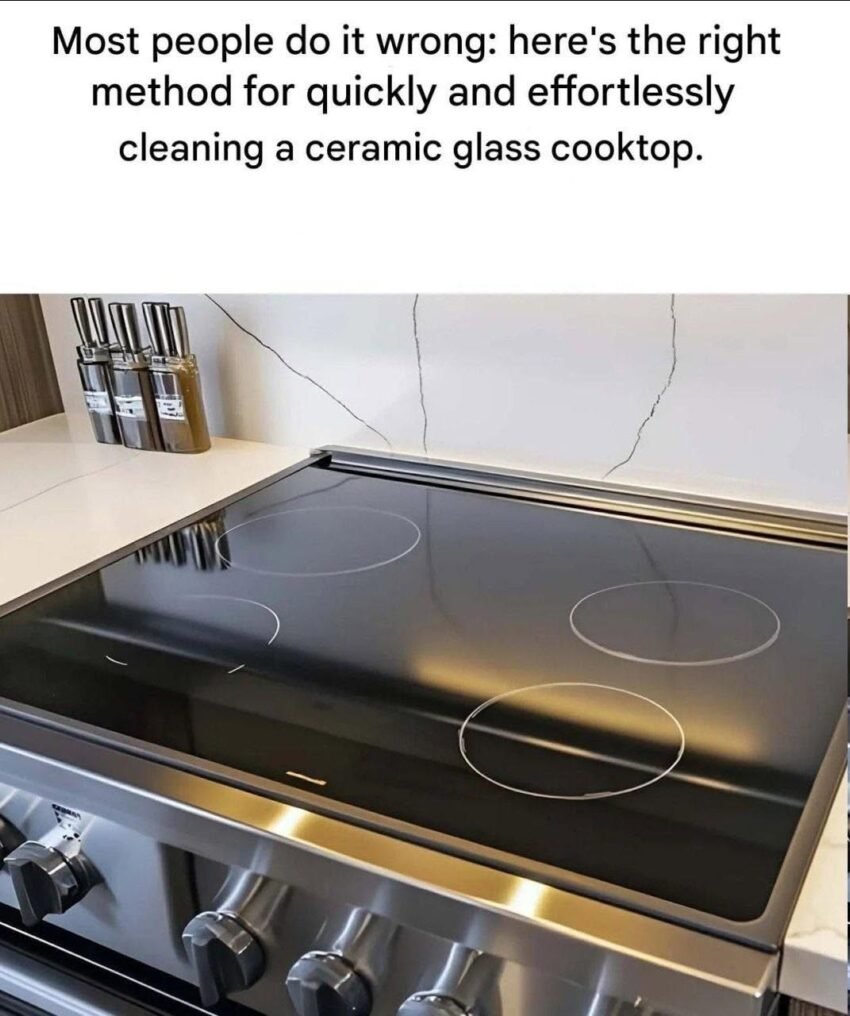
A ceramic glass cooktop adds a sleek, modern touch to any kitchen—but keeping it spotless can be a challenge. Burnt-on food, greasy splatters, and stubborn stains can quickly dull its shine. The good news is that with the right cleaning methods, you can restore your cooktop’s glossy finish without leaving behind scratches or damage.
In this guide, you’ll learn safe and effective ways to clean a ceramic glass cooktop using everyday household items, along with tips to keep it looking like new.
Why Ceramic Glass Cooktops Need Special Care
Unlike traditional gas or electric stovetops, ceramic glass surfaces are smooth and delicate. While they’re designed to withstand high heat, they can be scratched by abrasive cleaners, rough scrubbing pads, or improper cleaning techniques.
Using gentle methods not only preserves the cooktop’s appearance but also extends its lifespan.
What You’ll Need
Before you begin, gather the following supplies:
- Microfiber cloths
- Soft sponge
- Warm water
- Dish soap
- White vinegar
- Baking soda
- Spray bottle
- Ceramic cooktop cleaner (optional)
- Plastic or ceramic cooktop scraper designed for glass surfaces
Avoid using:
- Steel wool
- Scouring pads
- Abrasive powders
- Harsh bleach-based cleaners
- Metal knives or razor blades not intended for glass cooktops
Step 1: Let the Cooktop Cool Completely
Always wait until the surface is completely cool before cleaning. Cleaning a hot cooktop can:
- Cause cleaning products to evaporate too quickly
- Leave streaks
- Increase the risk of burns
Step 2: Remove Loose Debris
Use a dry microfiber cloth or paper towel to wipe away crumbs and loose food particles.
This prevents debris from scratching the glass during cleaning.
Step 3: Clean Everyday Grease
Mix a few drops of dish soap with warm water.
- Dip a soft sponge into the solution.
- Wipe the entire cooktop.
- Rinse the sponge frequently.
- Dry with a clean microfiber cloth.
For light daily cleaning, this is often all you need.
Step 4: Use Vinegar for Streaks and Grease
Fill a spray bottle with equal parts white vinegar and water.
Spray the cooktop lightly and let it sit for a minute or two.
Wipe clean with a microfiber cloth.
Vinegar helps dissolve grease and leaves the glass shiny without damaging the surface.
Step 5: Remove Burnt-On Food with Baking Soda
For stubborn stains:
- Sprinkle a thin layer of baking soda over the affected area.
- Place a clean towel soaked in warm water over the baking soda.
- Let it sit for 15–20 minutes.
- Gently wipe away the loosened residue with a soft cloth.
Baking soda acts as a mild abrasive that is generally safe for glass cooktops when used gently.
Step 6: Tackle Stubborn Burn Marks
If food is still stuck:
- Use a scraper specifically made for ceramic glass cooktops.
- Hold it at a low angle (about 30–45 degrees).
- Gently slide it under the residue.
- Avoid using excessive pressure.
Never use sharp household knives or improvised tools, as they can permanently scratch the glass.
Step 7: Polish the Surface
After cleaning:
- Apply a small amount of ceramic cooktop cleaner if desired.
- Buff with a clean microfiber cloth using circular motions.
This helps restore shine and may make future cleaning easier.
Mistakes to Avoid
To keep your cooktop in excellent condition, avoid these common mistakes:
- Cleaning while the surface is still hot
- Sliding heavy pots and pans across the glass
- Using steel wool or abrasive scrubbers
- Letting sugary spills harden on the surface
- Allowing burnt food to build up over time
Tips to Keep Your Cooktop Looking New
A little maintenance goes a long way.
- Wipe spills as soon as the surface has cooled.
- Clean the cooktop after each use.
- Lift cookware instead of dragging it.
- Use cookware with smooth, flat bottoms.
- Dry the surface after cleaning to prevent streaks.
Can You Use Household Cleaners?
Some common household products can be safely used in moderation:
Generally safe:
- Dish soap
- White vinegar
- Baking soda (used gently)
Use with caution or avoid:
- Ammonia-based cleaners
- Abrasive powders
- Oven cleaner
- Chlorine bleach
- Highly acidic cleaners not intended for glass surfaces
Always follow the cooktop manufacturer’s care instructions if they differ.
Final Thoughts
Keeping a ceramic glass cooktop clean doesn’t require harsh chemicals or aggressive scrubbing. With gentle cleaning products, a microfiber cloth, and regular maintenance, you can remove grease, burnt-on food, and stains while protecting the smooth glass surface from scratches.
By cleaning spills promptly, avoiding abrasive materials, and using tools designed specifically for ceramic cooktops, your stove can stay glossy, efficient, and looking like new for years to come.