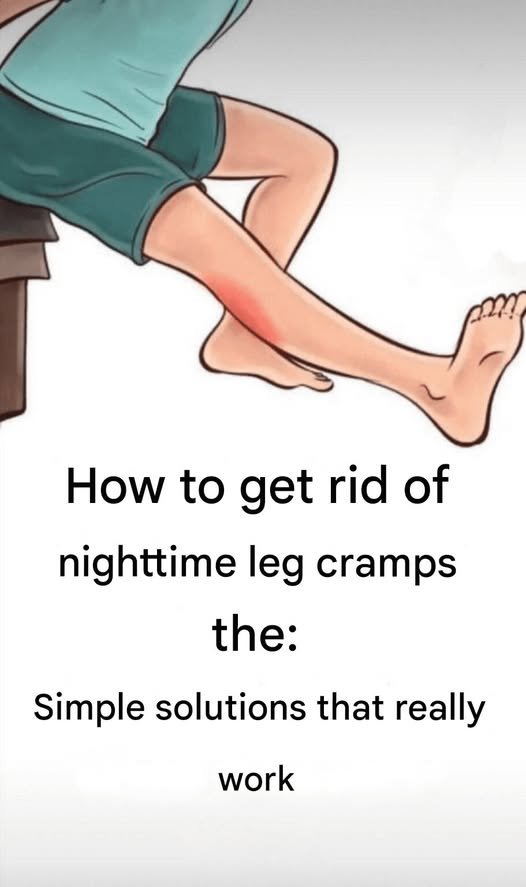
Nighttime leg cramps are sudden, painful muscle contractions—most often in the calf—that can wake you from sleep. While they’re usually harmless, frequent cramps may signal an underlying issue such as dehydration, medication side effects, or a medical condition.
Common Causes
- Dehydration or losing electrolytes through sweating
- Muscle fatigue from exercise or standing for long periods
- Sitting or sleeping in one position for too long
- Pregnancy
- Certain medications, including some diuretics and cholesterol-lowering drugs (statins)
- Medical conditions such as diabetes, nerve disorders, kidney disease, or poor circulation
What to Do During a Cramp
When a cramp strikes:
- Stretch the muscle. If it’s your calf, straighten your leg and gently pull your toes toward your shin.
- Massage the area until the muscle relaxes.
- Walk around for a few minutes if possible.
- Apply heat (heating pad or warm towel) to relax the muscle. If soreness remains afterward, an ice pack for 10–15 minutes may help.
Simple Ways to Prevent Nighttime Leg Cramps
- Stay well hydrated throughout the day.
- Stretch your calves and hamstrings for 5–10 minutes before bed.
- Wear supportive shoes during the day.
- Avoid sitting or standing in one position for long periods.
- If you exercise, increase intensity gradually and stretch afterward.
- Ask your healthcare provider whether any medications you’re taking could contribute to cramps.
Do Magnesium or Potassium Help?
If you have a confirmed deficiency, replacing it may help. However:
- Routine magnesium supplements have not consistently been shown to prevent leg cramps in most adults.
- Don’t start potassium supplements unless a healthcare professional recommends them, as too much potassium can be dangerous.
- A balanced diet with foods like bananas, leafy greens, beans, yogurt, nuts, and seeds can help maintain healthy mineral levels.
When to See a Doctor
Arrange a medical evaluation if:
- Cramps occur several times a week or are becoming more frequent.
- They are severe or last longer than about 10 minutes.
- You have swelling, redness, weakness, numbness, or persistent pain between cramps.
- Home treatments don’t help.
- You have conditions such as diabetes, kidney disease, or nerve problems.
Bottom Line
Most nighttime leg cramps improve with regular stretching, good hydration, and healthy sleep habits. If they become frequent, severe, or are accompanied by other symptoms, it’s important to see a healthcare provider to rule out an underlying cause and discuss appropriate treatment.