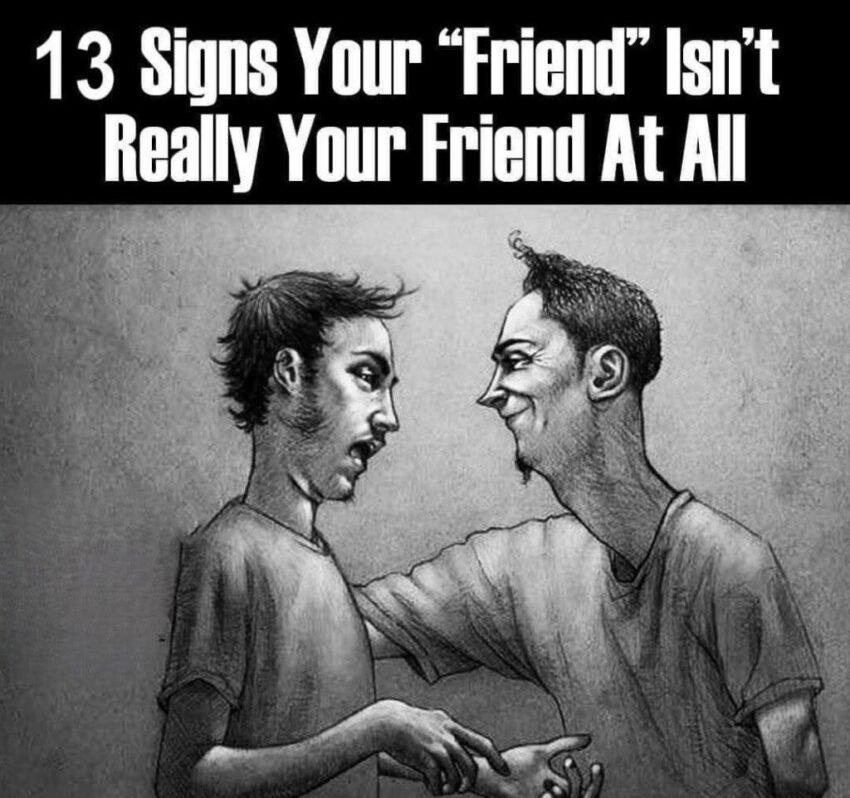
Friendships are meant to enrich our lives. Good friends celebrate our successes, support us during difficult times, and make us feel valued for who we are. But not every friendship is healthy. Sometimes, a relationship that once brought joy can become emotionally draining, one-sided, or even harmful.
Recognizing a toxic friendship isn’t always easy, especially if you’ve known the person for years. You may feel guilty about creating distance or worry about hurting their feelings. However, protecting your mental and emotional well-being is just as important as maintaining relationships.
Here’s how to recognize the signs of a toxic friendship and take healthy steps toward letting go.
What Is a Toxic Friendship?
A toxic friendship is one in which the relationship consistently leaves you feeling stressed, anxious, unappreciated, or emotionally exhausted. Like any relationship, friendships have occasional disagreements or difficult moments. The difference is that a toxic friendship follows a pattern of unhealthy behavior rather than isolated incidents.
Healthy friendships are built on mutual respect, trust, honesty, and support. Toxic friendships often lack these qualities.
Signs You May Be in a Toxic Friendship
1. The Friendship Feels One-Sided
Do you always make the first call, send the first message, or offer help without receiving the same effort in return? Healthy friendships involve give and take. If you’re constantly investing while the other person rarely reciprocates, the relationship may be unbalanced.
2. They Constantly Criticize or Put You Down
Constructive feedback can help us grow, but constant criticism, insults disguised as jokes, or comments that damage your self-esteem are warning signs. A true friend encourages your growth instead of making you feel inadequate.
3. They Only Contact You When They Need Something
Some friendships revolve around convenience. If someone only reaches out when they need a favor, money, advice, or emotional support but disappears when you need them, it may indicate a lack of mutual care.
4. They Don’t Respect Your Boundaries
Healthy friends understand that everyone has personal limits. A toxic friend may pressure you into doing things you’re uncomfortable with, ignore your need for space, or make you feel guilty for saying “no.”
5. They Compete Instead of Celebrate
Real friends are happy when good things happen in your life. If someone constantly compares themselves to you, downplays your achievements, or seems jealous of your success, the friendship may be rooted in competition rather than support.
6. You Feel Drained After Spending Time Together
Pay attention to how you feel after interacting with someone. If you consistently leave conversations feeling exhausted, anxious, guilty, or emotionally depleted, your friendship may be affecting your well-being.
7. They Gossip About Others—and About You
Someone who regularly spreads rumors or shares other people’s private information may eventually do the same to you. Trust is one of the foundations of lasting friendships.
Why It’s So Hard to Let Go
Ending or distancing yourself from a friendship can be emotionally difficult. You may share years of memories, mutual friends, or feel responsible for the other person’s feelings. Sometimes people stay in unhealthy friendships simply because they’ve invested so much time in them.
Remember, the length of a friendship doesn’t determine its quality. It’s okay to acknowledge that a relationship has changed.
How to Let Go in a Healthy Way
Be Honest With Yourself
Accept that the friendship may no longer be serving your emotional well-being. Recognizing the problem is the first step toward making a positive change.
Set Clear Boundaries
You don’t always have to end a friendship completely. In some cases, setting healthy boundaries—such as limiting contact or saying no to unreasonable requests—can improve the relationship.
Have an Honest Conversation
If you feel safe doing so, calmly explain how the friendship has been affecting you. Focus on your feelings rather than placing blame. Some friendships can improve through open communication.
Create Distance if Necessary
If the friendship remains unhealthy despite your efforts, gradually reducing contact may be the healthiest choice. You don’t owe anyone constant access to your time and energy.
Focus on Supportive Relationships
Invest your energy in people who respect, encourage, and appreciate you. Healthy friendships should leave you feeling accepted, not constantly questioning your worth.
Coping After the Friendship Ends
It’s normal to feel sadness, guilt, or even grief after ending a friendship. Allow yourself time to process your emotions. Lean on trusted friends or family members, engage in hobbies you enjoy, and remember that making space for healthier relationships is an act of self-care, not selfishness.
Final Thoughts
Friendships should bring comfort, trust, and mutual support—not constant stress or emotional exhaustion. While no friendship is perfect, recurring patterns of disrespect, manipulation, or one-sided effort are signs that it’s time to reevaluate the relationship.
Letting go of a toxic friendship can be difficult, but it also creates room for healthier, more meaningful connections. Surround yourself with people who celebrate your growth, respect your boundaries, and genuinely care about your well-being. After all, the quality of your friendships matters far more than the quantity.