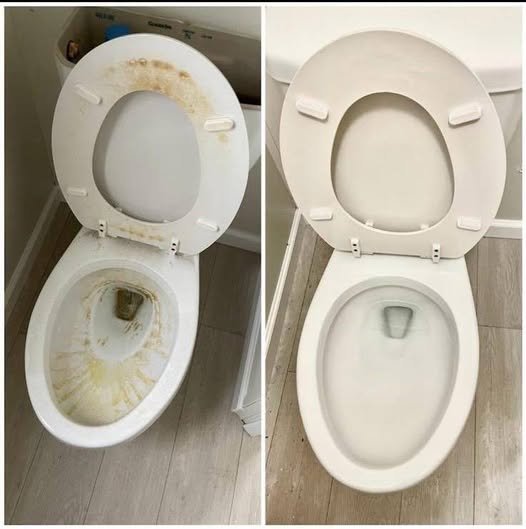
Hard water stains are one of the most common bathroom cleaning frustrations. Those stubborn brown, orange, or chalky white rings that cling to the toilet bowl are caused by mineral deposits left behind by water rich in calcium, magnesium, and other naturally occurring minerals. Over time, these deposits can build up, making your toilet look dirty even when it’s freshly cleaned.
The good news is that you don’t need harsh chemical cleaners to tackle hard water stains. With a few simple household ingredients and a little patience, you can restore your toilet bowl to a cleaner, brighter appearance while avoiding strong fumes and abrasive products.
What Causes Hard Water Stains?
Hard water contains higher levels of dissolved minerals. As water evaporates, these minerals remain behind, gradually forming stubborn deposits on porcelain surfaces. In some areas, iron in the water may also leave reddish-brown stains, while calcium and lime create white or grey crusty buildup.
Although these stains are generally harmless, they can become increasingly difficult to remove if left untreated.
What You’ll Need
- 2 cups of white vinegar
- ½ cup of baking soda
- Toilet brush
- Rubber gloves
- Microfibre cloth
- Optional: pumice stone designed for toilet cleaning (for stubborn mineral buildup)
Step 1: Lower the Water Level
For the best results, turn off the toilet’s water supply if possible and flush once to lower the water level. This allows the cleaning solution to reach the stained areas more effectively.
Step 2: Add White Vinegar
Pour about two cups of white vinegar directly into the toilet bowl, making sure it coats the stained areas. Let it sit for at least 20 to 30 minutes. For heavier mineral buildup, leaving it for an hour can help loosen deposits.
The mild acidity of vinegar helps dissolve mineral buildup without using harsh chemicals.
Step 3: Sprinkle in Baking Soda
Add half a cup of baking soda to the bowl. The gentle fizzing reaction helps lift dirt and loosen stubborn residue.
Allow the mixture to sit for another 10 to 15 minutes.
Step 4: Scrub Thoroughly
Use a toilet brush to scrub the entire bowl, paying extra attention to stained areas beneath the water line and around the rim.
If stains remain, gently use a wet pumice stone specifically made for cleaning toilets. Keep both the stone and the porcelain wet while using it to reduce the risk of scratching.
Step 5: Flush and Inspect
Flush the toilet to rinse away loosened mineral deposits.
Repeat the process if necessary. Heavy hard water stains that have built up over many months may require several cleaning sessions.
Prevent Hard Water Stains From Returning
Keeping mineral buildup under control is much easier than removing thick deposits later. Try these simple habits:
- Clean the toilet weekly.
- Pour a small amount of white vinegar into the bowl once a week and let it sit before brushing.
- Address stains while they’re still light.
- If your home has particularly hard water, consider installing a water softener or filter to reduce mineral deposits throughout your plumbing.
Avoid These Mistakes
While cleaning, avoid a few common errors that can damage your toilet or create safety risks:
- Never mix vinegar with bleach or other chemical cleaners.
- Avoid using steel wool or metal scrubbers that may scratch porcelain.
- Don’t leave abrasive cleaning products sitting in the bowl for extended periods unless the manufacturer recommends it.
- Use only pumice stones designed for toilet cleaning, and always keep them wet during use.
Final Thoughts
Hard water stains may look stubborn, but they don’t always require powerful chemical cleaners. White vinegar, baking soda, and regular maintenance can help dissolve mineral deposits and keep your toilet bowl looking fresh. For older, heavier buildup, a little extra soaking time and gentle scrubbing are often all that’s needed to restore a cleaner finish naturally.