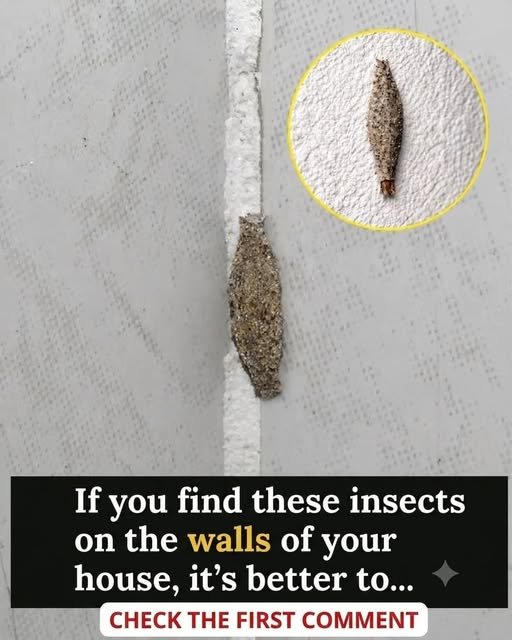
Have you ever noticed a tiny, brown, seed-shaped object stuck to your wall, ceiling, or in a quiet corner of your home? Many people mistake these little structures for strange insects or something harmful, but they are often the protective cases made by case-bearing moth larvae, commonly known as plaster bagworms or household casebearers.
While their appearance can be surprising, these tiny creatures are usually more of a nuisance than a serious threat. Understanding what they are — and why they appear — can help you manage them naturally without immediately reaching for harsh chemicals.
What Are Those Little Bags on the Wall?
The object you see is not just an insect sitting on the wall. It is a small protective shelter created by a moth larva.
The larva spins a silk-like case and attaches materials from its surroundings, such as:
- Dust
- Lint
- Hair
- Tiny fibres
- Dead insects
- Plant debris
The case acts like a portable home, allowing the larva to hide and move while it feeds.
When fully grown, the larva leaves the case, transforms into an adult moth, and continues its life cycle.
Are These Insects Dangerous?
The good news is that these little wall cases are not dangerous to humans.
They:
- Do not bite people
- Do not sting
- Do not spread diseases
- Usually do not cause major household problems
However, a large number of them may indicate that your home provides the conditions they like — especially quiet areas with dust, humidity, and organic debris.
Why Are They Appearing in Your Home?
Case-bearing moth larvae often appear because they have access to food sources.
Common reasons include:
1. Dust and Lint Build-Up
These larvae feed on organic materials that collect in hidden places, including:
- Behind furniture
- Along baseboards
- Around ceiling corners
- Under beds
- In storage areas
A home that is not regularly disturbed may provide the perfect environment.
2. Humidity and Moisture
Warm, humid areas are more attractive to many small household pests.
Bathrooms, laundry rooms, basements, and poorly ventilated spaces can encourage their presence.
3. Natural Fibres and Stored Fabrics
Some related moth species may feed on materials such as:
- Wool
- Silk
- Fur
- Natural fabrics
Closets and storage boxes should be checked if you notice many cases.
Natural Ways to Remove Them
You do not always need chemical sprays. Simple household methods can often reduce and prevent them.
1. Vacuum Regularly
Vacuuming is one of the most effective natural solutions.
Focus on:
- Walls and corners
- Ceilings
- Behind furniture
- Carpets and rugs
- Closet floors
- Window areas
Remove the vacuum bag or empty the container afterward to prevent larvae from returning.
2. Keep Your Home Dry and Fresh
Reduce moisture by:
- Opening windows when possible
- Improving airflow
- Using a dehumidifier in damp rooms
- Repairing leaks
A dry environment makes the home less attractive to these larvae.
3. Clean Hidden Areas
Pay attention to places that are often forgotten:
- Under appliances
- Behind cupboards
- Storage boxes
- Pet hair accumulation areas
- Cobwebs in corners
Regular cleaning removes the materials these larvae use for food and shelter.
4. Protect Clothing and Fabrics
For stored clothing:
- Wash items before long-term storage
- Keep fabrics in sealed containers
- Shake out stored blankets and clothing regularly
- Inspect natural-fibre materials occasionally
Natural Scents That May Help
Some homeowners use aromatic herbs and essential oils to discourage moth activity, including:
- Cedar
- Lavender
- Rosemary
- Clove
These may help make storage areas less attractive, although they should not be considered a complete replacement for cleaning and prevention.
When Should You Be Concerned?
Seeing a few cases occasionally is usually not a reason for alarm.
However, consider taking stronger action if you notice:
- Large numbers appearing throughout the home
- Damage to clothing or carpets
- Repeated infestations despite cleaning
- Moths emerging indoors frequently
In those situations, identifying the exact species can help determine the best control method.
Final Thoughts
Those tiny “insect bags” on your walls may look unsettling, but they are usually harmless visitors looking for a place to feed and grow. The best approach is not panic — it is prevention.
A clean, dry, well-ventilated home with fewer dust and fibre sources naturally makes your space less welcoming to case-bearing moth larvae.
Regular cleaning, proper storage, and simple natural habits can usually keep these small creatures under control.