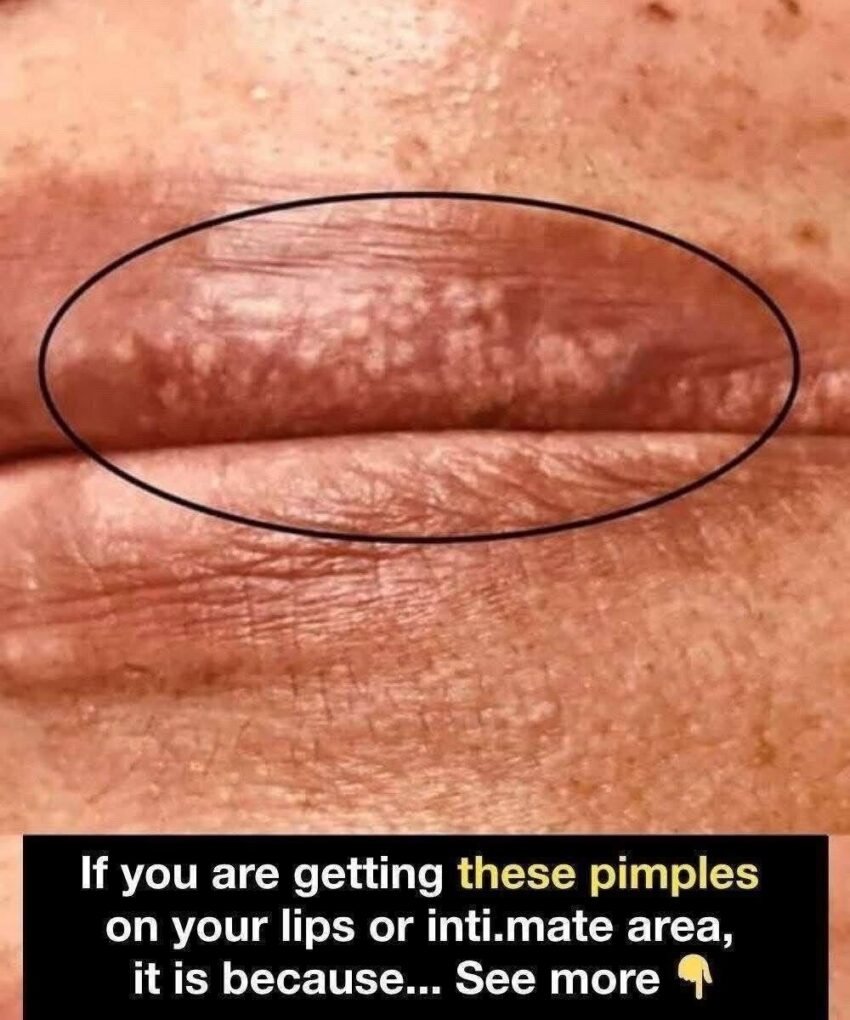
If You’re Getting “Pimples” on Your Lips or Intimate Area, It Could Be Because…
At first glance, it’s easy to assume any small bump on the lips or in the intimate area is just acne. That’s usually the first thought—“Okay, it’s just a pimple, it’ll go away.”
But the truth is a bit more complicated.
These areas of the body don’t behave like your typical forehead or cheek skin. They’re more sensitive, have different types of glands, more friction, and in some cases, entirely different causes for bumps that look like pimples.
So let’s break it down in a simple, real-world way.
The First Mistake: Assuming It’s Always Acne
One of the biggest misconceptions is believing that every bump = acne.
In reality, bumps in these areas can come from:
- Hair follicles
- Skin irritation
- Viral infections
- Normal oil glands
- Friction or sweating
So the appearance can be misleading.
What looks like a “pimple” may actually be something completely different.
1. Ingrown Hairs (The Most Common Culprit)
If you shave or wax, this is often the number one reason.
What happens is simple: a hair starts growing back but curls under the skin instead of rising outward. The body reacts like it’s a foreign object.
What it looks like:
- Small red bump
- Sometimes white-headed
- Slight pain when touched
- May appear after shaving or tight clothing
Why it happens more in intimate areas:
- Coarser hair
- Constant friction
- Moisture and sweat
Most of the time, these resolve on their own.
2. Folliculitis (Inflamed Hair Follicles)
This sounds complicated, but it’s basically a “clogged or irritated hair root.”
It can be caused by:
- Sweat buildup
- Tight clothing
- Shaving irritation
- Bacteria entering the follicle
What it feels/looks like:
- Small pimple-like bumps
- Sometimes itchy or tender
- May contain a small amount of pus
It often looks exactly like acne—but isn’t traditional acne at all.
3. Cold Sores (Herpes Simplex Virus)
This is one of the most misunderstood causes, especially around the lips.
Cold sores are caused by a virus (HSV-1 or HSV-2) and can sometimes appear in the genital area as well.
Key signs:
- Tingling or burning before they appear
- Small clusters of fluid-filled blisters
- Painful or sensitive
- Crust over as they heal
Unlike acne, these are viral and can come back periodically.
This is why identifying them correctly matters.
4. Fordyce Spots (Completely Harmless)
These are often mistaken for white pimples, but they are actually natural oil glands visible through the skin.
What they look like:
- Small white or yellow dots
- Not painful
- Do not change much over time
- Not contagious
They are completely normal and extremely common.
5. Simple Acne (Yes, It Can Still Happen Here)
Even though these areas are different, acne can still show up.
This usually happens due to:
- Hormonal changes
- Sweat buildup
- Friction from clothing
- Clogged pores
Typical acne signs:
- Whiteheads or blackheads
- Occasional inflammation
- Comes and goes
It tends to be more random and less clustered than viral conditions.
6. When It Might Be Something More Serious (STIs)
Some sexually transmitted infections can cause bumps or sores that resemble pimples.
Examples include:
- Herpes (painful blisters)
- HPV (wart-like bumps)
- Syphilis (can begin as a painless sore)
The important thing here is not to panic—but also not to guess.
These conditions are treatable, but they do require proper diagnosis.
When You Should Actually Get It Checked
It’s worth seeing a healthcare provider if:
- The bump is painful or spreading
- It keeps coming back in the same area
- You notice blisters or open sores
- It doesn’t improve after 1–2 weeks
- There was recent unprotected sexual contact
Final Thoughts
Not every bump is acne, and not every bump is serious.
Most of the time, it’s something simple like:
- Ingrown hair
- Irritation
- Minor inflammation
But because this area of the body is sensitive, it’s important not to assume.
Paying attention to how it looks, feels, and changes over time is usually the best clue.
And when in doubt, getting it checked is always the safest option—not because it’s always serious, but because guessing can easily go wrong in either direction.