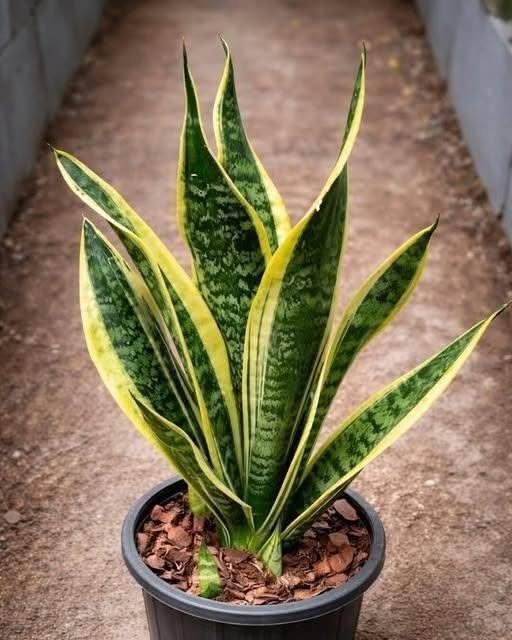
Houseplants do much more than brighten a room—they can improve the atmosphere, bring a sense of calm, and make your home feel more inviting. Some plants are so versatile and easy to care for that many gardeners consider them a true “hidden treasure.”
If you already have one of these popular plants at home, you may be enjoying benefits you didn’t even realize.
Why Houseplants Are So Popular
Indoor plants have become a favorite addition to homes around the world. Besides adding natural beauty, they can help create a relaxing environment and encourage people to spend more time caring for their living spaces.
While some claims about plants dramatically improving indoor air quality are often overstated for typical homes, there’s good evidence that caring for plants can enhance well-being and make indoor spaces feel more pleasant.
1. Snake Plant: A Low-Maintenance Favorite
One of the most popular indoor plants is the snake plant (Sansevieria, now classified in the Dracaena genus).
Why People Love It
- Thrives in low light
- Tolerates occasional missed watering
- Grows slowly and neatly
- Suitable for beginners
- Adds a modern touch to any room
Because it’s so hardy, many people keep a snake plant for years with minimal care.
2. Aloe Vera: Beauty and Practicality
Aloe vera is another plant often considered a household treasure.
Its thick, fleshy leaves contain a clear gel that is commonly used in skincare products. While aloe gel may help soothe minor skin irritation or mild sunburn for some people, it should be used appropriately and isn’t a substitute for medical treatment.
Growing Tips
- Place it in bright, indirect sunlight.
- Water only when the soil is completely dry.
- Avoid overwatering, which can cause root rot.
3. Spider Plant: Easy to Grow
The spider plant is known for producing long, arching leaves and baby plants that hang gracefully from the mother plant.
Benefits include:
- Easy propagation
- Fast growth
- Adaptability to different light conditions
- Attractive appearance in hanging baskets
It’s an excellent choice for first-time plant owners.
4. Peace Lily: Elegant and Beautiful
The peace lily is admired for its glossy green leaves and striking white blooms.
It grows well indoors with indirect light and regular watering.
Note: Peace lilies are toxic to cats and dogs if chewed, so keep them out of reach of pets.
5. Pothos: Nearly Impossible to Kill
If you’re looking for a forgiving plant, pothos is hard to beat.
It tolerates:
- Low light
- Inconsistent watering
- Indoor temperatures year-round
Its trailing vines make it ideal for shelves and hanging planters.
Caring for Indoor Plants
No matter which plant you choose, a few basic care tips can help it thrive:
- Water according to the plant’s needs rather than on a strict schedule.
- Ensure pots have drainage holes.
- Provide the appropriate amount of sunlight.
- Dust leaves occasionally.
- Check for pests every few weeks.
- Repot when roots outgrow the container.
Are Indoor Plants Good for Your Health?
Houseplants can contribute to a more enjoyable living environment and may offer psychological benefits such as reducing stress and increasing feelings of relaxation.
However, it’s important to keep expectations realistic. Although laboratory studies have shown that certain plants can remove some airborne compounds under controlled conditions, a few houseplants alone are not enough to significantly purify the air in a typical home. Good ventilation remains one of the most effective ways to maintain healthy indoor air quality.
Final Thoughts
If you have a healthy houseplant growing in your home, you already have something valuable. Whether it’s a resilient snake plant, a versatile aloe vera, or a lush pothos, these plants add beauty, encourage mindful care, and bring a touch of nature indoors.
The real treasure isn’t just the plant itself—it’s the comfort, greenery, and sense of well-being it can bring to your home with just a little attention.