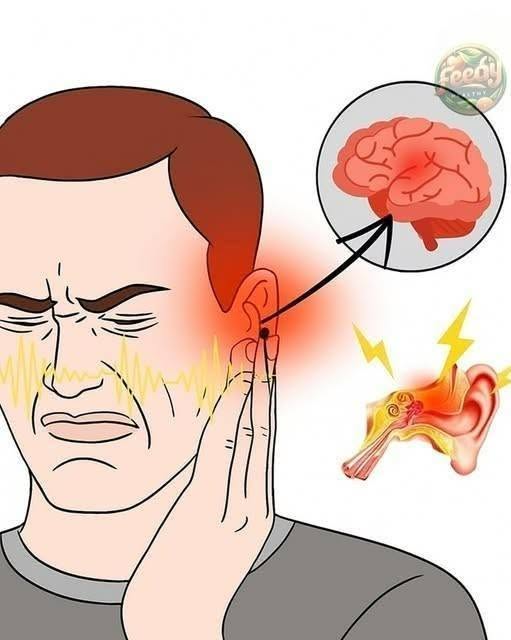
Have you ever suddenly heard a ringing, buzzing, humming, or whistling sound in your ear when no one else could hear it? This common experience is known as tinnitus.
Many people worry that ear ringing is always a sign of a serious illness, but the reality is more complicated. Sometimes it is temporary and harmless, while in other cases it may indicate an underlying issue that needs attention.
Understanding the possible causes can help you know when it is normal and when you should speak with a healthcare professional.
What Is Tinnitus?
Tinnitus is the perception of sound in the ears or head without an external source.
People may describe it as:
- Ringing
- Buzzing
- Hissing
- Clicking
- Whistling
- Roaring sounds
It can occur in one ear or both ears and may last a few seconds, several minutes, or continue for months or longer.
Common Reasons You May Hear Ringing in Your Ear
1. Exposure to Loud Sounds
One of the most common causes of temporary ringing is exposure to loud noise.
Examples include:
- Concerts
- Loud machinery
- Fireworks
- Headphones at high volume
Loud sounds can temporarily affect the tiny hair cells inside the inner ear, causing ringing.
2. Earwax Buildup
Excess earwax can block the ear canal and change the way sound reaches your ear.
This may cause:
- Ringing
- Reduced hearing
- Ear fullness
- Discomfort
A healthcare professional can safely remove impacted earwax if needed.
3. Age-Related Hearing Changes
As people get older, the delicate structures of the inner ear may naturally become less sensitive.
This can sometimes lead to tinnitus along with gradual hearing changes.
4. Stress and Lack of Sleep
Stress does not always directly cause tinnitus, but it can make existing ringing feel louder or more noticeable.
Poor sleep and anxiety may increase awareness of internal sounds.
5. Certain Medications
Some medications can contribute to tinnitus in certain people.
Examples may include:
- High doses of some pain relievers
- Certain antibiotics
- Some medications affecting the nervous system
Never stop prescribed medication without consulting your doctor.
6. Ear Infections or Other Ear Problems
Infections, inflammation, or pressure changes in the ear can sometimes trigger ringing.
Other symptoms may include:
- Ear pain
- Fluid discharge
- Hearing changes
- Fever
Is Ringing in the Ear a Sign of a Serious Disease?
Most cases of tinnitus are not a sign of a dangerous condition. However, persistent or unusual tinnitus should be evaluated.
Seek medical advice if:
- Ringing happens suddenly and strongly
- It occurs only in one ear
- You experience sudden hearing loss
- You have dizziness or balance problems
- The sound matches your heartbeat (pulsatile tinnitus)
- It continues for weeks or becomes worse
Things That May Help Reduce Tinnitus Discomfort
While there is no single cure for all tinnitus, some strategies may help:
✅ Protect your ears from loud sounds
✅ Reduce stress through relaxation techniques
✅ Maintain good sleep habits
✅ Avoid excessive caffeine if it worsens symptoms
✅ Use gentle background sounds (such as a fan or white noise) at night
Common Myths About Ear Ringing
Myth: Ringing in the ear means someone is talking about you.
Fact: This is a popular belief, but there is no scientific evidence supporting it.
Myth: Every case of tinnitus means hearing loss.
Fact: Tinnitus can occur with or without hearing loss.
Myth: There is always a quick cure.
Fact: Treatment depends on the underlying cause.
Final Thoughts
Hearing ringing in your ear is common and often temporary, but it is your body’s way of telling you to pay attention to your hearing health. From loud noise exposure and earwax buildup to stress and medical conditions, many factors can contribute to tinnitus.
If the ringing is persistent, severe, or accompanied by other symptoms, getting medical advice is the best way to identify the cause and find appropriate support.
Disclaimer: This article is for informational purposes only and is not a substitute for professional medical advice. Always consult a qualified healthcare provider for diagnosis and treatment.