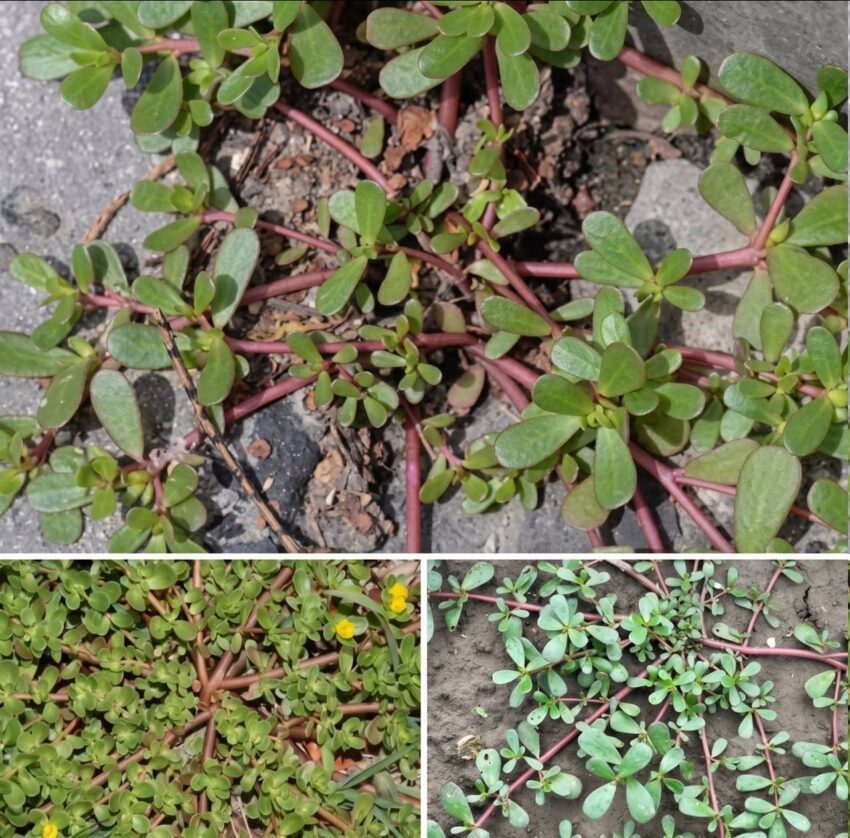
Have you ever spotted a strange-looking fungus or unusual plant growing in your yard and immediately wanted to remove it? While it’s natural to want a tidy lawn, some mysterious growths deserve a closer look before you touch them. One of the most surprising examples is the stinkhorn mushroom, a fascinating fungus that appears almost overnight and often causes concern because of its unusual shape and strong odor.
Although it may look alarming, breaking or crushing it isn’t always the best idea. Here’s why.
What Is It?
Stinkhorn mushrooms belong to a group of fungi known for their distinctive appearance and unpleasant smell. They often emerge after periods of rain, especially in warm, humid weather.
Common characteristics include:
- Tall, finger-like or horn-shaped growth.
- Bright white, orange, or red colors.
- A slimy cap coated with dark green or brown spores.
- A strong odor resembling rotting meat.
The smell isn’t accidental—it attracts flies and other insects, which spread the mushroom’s spores to new locations.
Why You Shouldn’t Break It
Many people instinctively kick or crush stinkhorn mushrooms, but doing so can actually help spread their spores.
Breaking the mushroom may:
- Scatter spores throughout your garden.
- Lead to more mushrooms appearing later.
- Create an even stronger unpleasant smell.
If you want to remove them, it’s generally better to gently collect the entire mushroom, including as much of the underground base as possible, and dispose of it in a sealed bag.
Is It Dangerous?
The good news is that stinkhorn mushrooms are generally not dangerous to healthy adults simply by touching them.
However:
- They should not be eaten unless identified by an expert.
- Curious children should be kept from handling or tasting them.
- Pets may experience stomach upset if they consume them.
If a child or pet eats an unknown mushroom, contact your local poison center or veterinarian promptly.
Why They’re Actually Helpful
Despite their unpleasant smell, stinkhorn mushrooms play an important role in nature.
They help:
- Break down dead wood and organic matter.
- Recycle nutrients back into the soil.
- Improve overall soil health over time.
In many cases, they disappear within a day or two on their own.
How to Prevent Them
If they keep returning, you can reduce the chances of future growth by:
- Removing decaying wood, mulch, or old tree roots.
- Improving lawn drainage.
- Avoiding excessive watering.
- Replacing old mulch if mushrooms appear repeatedly.
- Keeping your yard free of decomposing organic debris.
These steps reduce the moist, nutrient-rich conditions fungi prefer.
Should You Leave It Alone?
If the mushroom isn’t bothering anyone, leaving it alone is often the simplest option. It will usually complete its life cycle quickly and disappear naturally.
If you decide to remove it, wear gloves, avoid crushing it, and dispose of it in a sealed trash bag rather than composting it.
Final Thoughts
Finding a strange fungus in your yard can be surprising, but not every unusual growth is harmful. Stinkhorn mushrooms may look bizarre and smell unpleasant, yet they’re an important part of the natural ecosystem. Before breaking or kicking one, remember that doing so may simply help spread its spores.
When dealing with any unknown mushroom, it’s always safest to avoid eating it, supervise children and pets, and remove it carefully