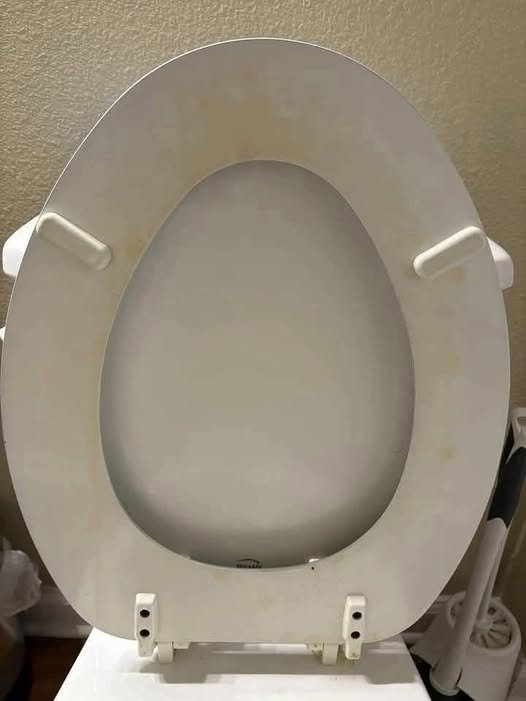
Stubborn stains can be incredibly frustrating—especially when you’ve already tried popular DIY cleaning methods like baking soda, vinegar, and an all-purpose cleaner with little to no success. The good news is that not every stain is impossible to remove. The key is identifying what caused it and using the right cleaning method for the surface.
Whether the stains are in your bathroom, kitchen, or laundry room, this guide will help you understand what you’re dealing with and how to remove it safely without damaging your home.
Why Some Stains Won’t Come Off
Many people assume that all stains are dirt, but that’s not always true. Some marks are actually:
- Hard water mineral deposits
- Rust stains
- Soap scum buildup
- Mold or mildew
- Chemical discoloration
- Worn or damaged finishes
If you’ve already scrubbed with vinegar and baking soda without success, the stain is probably something more stubborn than everyday grime.
Step 1: Identify the Type of Stain
Before reaching for another cleaner, take a closer look.
White or Chalky Stains
These are usually hard water deposits caused by calcium and magnesium left behind as water evaporates.
Common locations include:
- Shower doors
- Bathroom faucets
- Toilets
- Sinks
- Bathtubs
These stains become harder over time and don’t always respond to homemade cleaners.
Orange or Brown Stains
These are often rust stains caused by:
- Iron in the water supply
- Metal cans left on countertops
- Rusty plumbing
- Old fixtures
Rust requires a different approach than ordinary dirt.
Black Spots
Dark stains may indicate mold or mildew.
You’ll commonly find them around:
- Shower caulking
- Tile grout
- Window seals
- Bathroom corners
Mold thrives in warm, damp environments.
Cloudy Film
If the surface looks dull instead of stained, you’re probably dealing with soap scum.
Soap scum forms when soap mixes with minerals in hard water, creating a stubborn residue.
Why Baking Soda and Vinegar Sometimes Don’t Work
Although they’re popular natural cleaners, baking soda and vinegar aren’t miracle solutions.
Here’s why:
- Baking soda is mildly abrasive and works well on grease and light stains.
- Vinegar dissolves some mineral deposits but struggles with heavy buildup.
- Mixing them together causes a fizzing reaction, but once it stops, the cleaning power is greatly reduced.
For old, thick stains, stronger—but still surface-safe—cleaners may be necessary.
Natural Cleaning Methods That Actually Help
If you prefer avoiding harsh chemicals, try these methods.
Lemon Juice
Fresh lemon juice contains natural citric acid that can help dissolve light mineral deposits.
How to use:
- Squeeze fresh lemon juice onto the stain.
- Let it sit for 15–20 minutes.
- Scrub gently with a soft brush.
- Rinse thoroughly.
White Vinegar Soak
For removable items like showerheads or faucet aerators:
- Soak them in white vinegar for several hours.
- Brush away loosened deposits.
- Rinse well.
Baking Soda Paste
Instead of mixing baking soda with vinegar, make a paste using water.
Apply it to greasy or dirty surfaces, let it sit for 10–15 minutes, then scrub gently.
Hydrogen Peroxide
Hydrogen peroxide can help brighten grout and reduce mildew stains.
Apply carefully, allow it to sit for several minutes, then rinse.
Never mix hydrogen peroxide with vinegar or bleach.
Cleaning Different Bathroom Surfaces
Toilet Bowl
Mineral rings often develop at the waterline.
Use:
- A toilet brush
- A toilet-safe descaling cleaner
- Regular weekly cleaning to prevent buildup
Sink
Hard water stains around the faucet can usually be removed using a soft cloth soaked in vinegar or a citric acid solution.
Avoid steel wool on porcelain or stainless steel.
Bathtub
Soap scum builds up quickly.
Use:
- Warm water
- Mild dish soap
- Baking soda paste
- Soft sponge
Avoid abrasive pads on acrylic tubs.
Shower Glass
Mineral deposits can make glass appear permanently cloudy.
Regular wiping after each shower helps prevent future buildup.
What If the Surface Is Damaged?
Sometimes the stain isn’t actually a stain.
It may be:
- Worn enamel
- Etched stone
- Scratched porcelain
- Faded laminate
- Damaged protective coating
No cleaner can restore missing material.
In these situations, refinishing or replacing the damaged surface may be the only permanent solution.
Prevent Future Stains Naturally
Prevention is easier than removing stubborn stains.
Helpful habits include:
- Wipe down shower walls after use.
- Dry faucets and sinks daily.
- Improve bathroom ventilation.
- Fix leaking faucets promptly.
- Clean weekly before buildup becomes severe.
Small routines can prevent months of accumulated stains.
Common Cleaning Mistakes to Avoid
- Mixing vinegar with bleach.
- Using steel wool on delicate surfaces.
- Leaving acidic cleaners on natural stone.
- Scrubbing too aggressively.
- Using abrasive powders on glossy finishes.
Always test any cleaner on a small hidden area first.
Frequently Asked Questions
Why won’t vinegar remove my stain?
If the stain has been there for months or years, it may be too thick or may not be a mineral deposit at all.
Is baking soda safe on every surface?
No. While generally gentle, it can dull highly polished or delicate finishes if scrubbed aggressively.
Are hard water stains permanent?
Usually not. Most can be removed with patience and the appropriate cleaner, though severe buildup may require repeated treatments.
Why do the stains keep returning?
Minerals in hard water, poor ventilation, and moisture can cause stains to come back unless the underlying issue is addressed.
Final Thoughts
There’s no need to feel embarrassed—stubborn household stains are extremely common, and even diligent cleaning can’t always remove them with basic ingredients like baking soda and vinegar. The first step is identifying whether you’re dealing with hard water, rust, soap scum, mold, or surface damage. Once you know the cause, you can choose the safest and most effective cleaning method.
With regular maintenance and the right approach, most surfaces can be restored to a clean, fresh appearance without excessive scrubbing or harsh chemicals. If a stain doesn’t respond despite your best efforts, it may be a sign of permanent wear rather than poor cleaning, and that’s something many homeowners encounter over time.