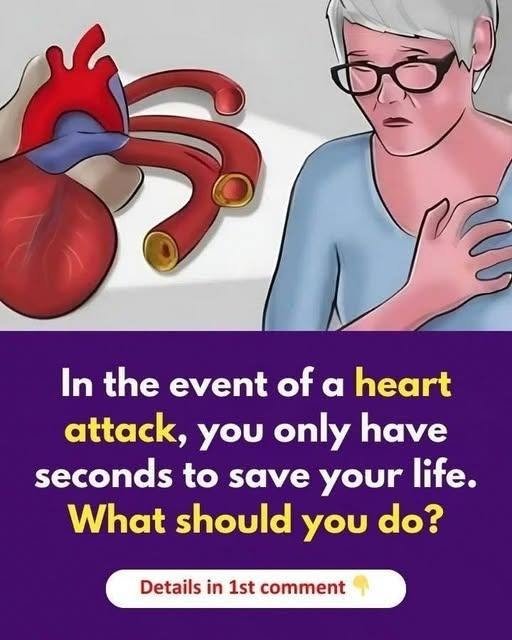
A heart attack can happen suddenly and without warning. Every year, millions of people worldwide experience one, and acting quickly can make the difference between life and death. While you may have heard dramatic advice online about “saving yourself” during a heart attack, not all of it is accurate.
The most important thing to remember is this: The fastest way to survive a heart attack is to recognize the symptoms early, call emergency medical services immediately, and get medical treatment as soon as possible.
Here’s what you should know.
What Is a Heart Attack?
A heart attack, also known as a myocardial infarction, occurs when blood flow to part of the heart muscle becomes blocked, usually by a blood clot forming on top of a fatty plaque inside a coronary artery.
Without oxygen-rich blood, heart muscle begins to die within minutes.
The sooner the blocked artery is reopened, the more heart muscle can be saved.
Why Every Minute Matters
Doctors often say:
“Time is muscle.”
Each passing minute without treatment causes more damage to the heart.
Rapid treatment can:
- Save heart muscle
- Reduce complications
- Lower the risk of heart failure
- Increase survival
Common Heart Attack Symptoms
Many people expect a dramatic collapse, but heart attacks often begin gradually.
Chest discomfort
The most common symptom includes:
- Pressure
- Tightness
- Squeezing
- Fullness
- Burning
- Pain in the centre or left side of the chest
The discomfort may last several minutes or come and go.
Pain spreading elsewhere
Pain may travel to:
- Left arm
- Right arm
- Both shoulders
- Neck
- Jaw
- Upper back
- Between the shoulder blades
Shortness of breath
You may struggle to breathe even while resting.
Sometimes it occurs before chest pain.
Cold sweat
Breaking into an unexpected cold sweat is a common warning sign.
Nausea or vomiting
Many people mistake a heart attack for food poisoning or indigestion.
Dizziness
You may experience:
- Light-headedness
- Weakness
- Fainting
- Feeling like you might pass out
Extreme fatigue
Some people—especially women—feel unusually tired for hours or even days before a heart attack.
Symptoms in Women Can Be Different
Women are slightly more likely than men to have less typical symptoms, including:
- Shortness of breath
- Nausea
- Vomiting
- Jaw pain
- Back pain
- Extreme fatigue
- Indigestion-like discomfort
Because these symptoms can be subtle, women sometimes delay seeking treatment.
What Should You Do Immediately?
1. Stop What You’re Doing
If symptoms begin:
- Sit down.
- Stay as calm as possible.
- Avoid walking around or exerting yourself.
Physical activity increases the heart’s oxygen demand.
2. Call Emergency Services Immediately
Do not try to “wait it out.”
Call your local emergency number immediately (or have someone else call).
Emergency responders can:
- Begin treatment immediately
- Monitor your heart rhythm
- Treat life-threatening arrhythmias
- Take you to the most appropriate hospital
Driving yourself is generally not recommended unless there is absolutely no other option.
3. Unlock the Door if Possible
If you’re alone:
- Unlock your front door.
- Sit or lie down near the entrance if it is safe to do so.
This can help emergency responders reach you quickly.
4. Tell Someone Nearby
If family, neighbours, or coworkers are close:
Tell them:
“I think I’m having a heart attack.”
Do not be embarrassed.
Minutes matter.
5. Take Aspirin—Only If Appropriate
If:
- You are not allergic to aspirin,
- You have not been told by a doctor to avoid it (for example, because of active bleeding or certain medical conditions), and
- Emergency services advise it, or you have previously been instructed to take it for suspected heart attack,
chewing one standard adult aspirin (or the equivalent low-dose tablets) may help reduce blood clotting while waiting for medical care.
Do not take aspirin if you have an allergy to it or another reason you’ve been told to avoid it.
Should You Perform “Cough CPR”?
You may have seen social media posts claiming you should cough repeatedly to save yourself during a heart attack.
This is a myth for most people.
“Cough CPR” is not recommended for someone experiencing a typical heart attack outside of a monitored medical setting. It is only used in rare, specific circumstances under medical supervision for certain heart rhythm problems.
Do not delay calling emergency services to try coughing instead.
If You’re Alone
If you’re alone and think you’re having a heart attack:
- Call emergency services immediately.
- Put your phone on speaker.
- Unlock the door if possible.
- Sit or lie in a safe place.
- Stay as still as possible until help arrives.
Do not drive yourself unless there is absolutely no alternative.
What If the Person Becomes Unconscious?
If someone collapses and is unresponsive:
- Call emergency services immediately.
- Begin CPR if you know how.
- Ask someone to bring an Automated External Defibrillator (AED) if one is available.
- Follow the AED’s voice instructions.
Early CPR and defibrillation can dramatically improve survival if the heart stops.
Risk Factors for Heart Attack
Some risk factors cannot be changed:
- Older age
- Family history
- Male sex (although women are also at risk)
Others can often be managed:
- High blood pressure
- High cholesterol
- Diabetes
- Smoking
- Obesity
- Physical inactivity
- Chronic stress
- Poor diet
- Excessive alcohol use
Managing these factors reduces your long-term risk.
When Symptoms Are Mild
Some people hesitate because the pain isn’t severe.
Do not ignore symptoms simply because they seem mild.
Even a “small” heart attack can become life-threatening if left untreated.
If you suspect a heart attack, seek emergency medical care immediately.
Common Myths
Myth: Heart attacks always cause severe chest pain.
Fact: Some heart attacks cause only mild discomfort or unusual symptoms such as nausea, jaw pain, or shortness of breath.
Myth: Only older men have heart attacks.
Fact: Women and younger adults can also experience heart attacks, especially if they have risk factors.
Myth: Drinking water or eating something will stop a heart attack.
Fact: Food, water, herbal remedies, or home treatments cannot remove a blocked coronary artery.
Myth: Waiting 30 minutes is safe.
Fact: Waiting can lead to permanent heart damage and increases the risk of dangerous complications.
How to Lower Your Risk
Healthy habits can greatly reduce your chances of having a heart attack:
- Eat a balanced diet rich in fruits, vegetables, whole grains, legumes, and healthy fats.
- Exercise regularly, aiming for at least 150 minutes of moderate activity each week if your healthcare provider agrees.
- Avoid smoking and secondhand smoke.
- Maintain a healthy weight.
- Keep blood pressure, cholesterol, and diabetes under good control.
- Get adequate sleep and manage stress.
- Take prescribed medications as directed.
Final Thoughts
A heart attack is a medical emergency, but quick action can save lives. Learn the warning signs, don’t ignore symptoms, and seek emergency medical care immediately if you think you or someone else is having a heart attack. While myths such as “cough CPR” continue to circulate online, the evidence-based approach is simple: call emergency services, rest, and follow professional medical guidance while waiting for help.
Medical disclaimer: This article is for educational purposes only and should not replace professional medical advice. If you think you or someone else is having a heart attack, contact your local emergency services immediately.