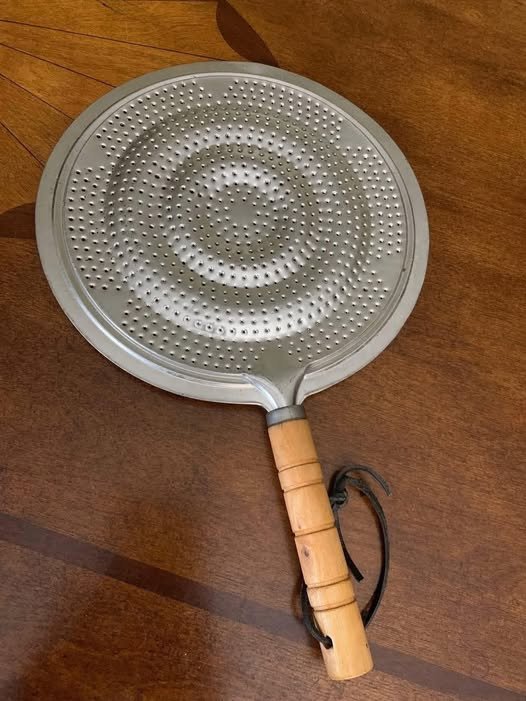
Have you ever wondered why food cooked in an old countryside kitchen often tastes richer, more comforting, and somehow more memorable than meals made with modern cookware? While fresh ingredients and family recipes certainly play a role, many home cooks believe there’s another secret hiding in plain sight—a humble piece of cookware that has stood the test of time.
For generations, families around the world have relied on one rustic kitchen essential to create flavorful stews, perfectly baked bread, tender roasts, and delicious desserts. It’s simple, durable, and surprisingly versatile. But is this traditional cooking tool really the key to perfect meals?
Let’s explore the history, benefits, and best ways to use this timeless kitchen favorite.
The Rustic Kitchen Secret: The Cast Iron Dutch Oven
At first glance, a cast iron Dutch oven may not seem extraordinary. It’s heavy, plain-looking, and lacks the sleek appearance of modern cookware. Yet professional chefs and experienced home cooks continue to praise it for one simple reason—it consistently delivers outstanding results.
Originally used over open fires centuries ago, Dutch ovens have remained popular because they distribute heat evenly and retain it exceptionally well. This creates ideal cooking conditions for recipes that require slow, gentle cooking.
Whether you’re making soup, baking artisan bread, braising meat, or simmering sauces, a Dutch oven helps ingredients cook evenly while preserving moisture and flavor.
Why Does It Make Food Taste Better?
Exceptional Heat Retention
Unlike thin metal pots that heat unevenly, cast iron absorbs heat slowly and releases it gradually.
This means:
- Fewer hot spots
- Even cooking temperatures
- Better caramelization
- Consistent browning
The result is food that’s tender inside with beautifully developed flavors.
Locks In Moisture
One of the Dutch oven’s greatest strengths is its heavy lid.
As food cooks, steam rises and condenses on the lid before dripping back into the dish.
This natural self-basting process keeps foods juicy without requiring constant attention.
It’s especially useful for:
- Pot roast
- Chicken
- Pulled pork
- Beef stew
- Braised vegetables
Builds Richer Flavors
Slow cooking allows herbs, spices, vegetables, and proteins to blend together gradually.
Instead of tasting individual ingredients separately, every bite becomes deeper, richer, and more balanced.
Many soups and stews actually taste even better the following day because the flavors continue to develop.
Perfect for Homemade Bread
One reason Dutch ovens have become famous in recent years is artisan bread.
The enclosed pot traps steam during baking, helping create:
- Crispy golden crust
- Soft chewy interior
- Beautiful oven spring
- Bakery-style texture
Many home bakers are amazed that a simple Dutch oven can produce bread that rivals expensive artisan loaves.
Excellent for One-Pot Meals
Busy families appreciate recipes that require minimal cleanup.
A Dutch oven allows you to:
- Brown meat
- Sauté vegetables
- Add broth
- Simmer everything together
All in the same pot.
This not only saves dishes but also preserves the flavorful browned bits that enhance the final meal.
Surprisingly Versatile
Many people assume Dutch ovens are only for soups.
In reality, they can prepare almost anything.
Breakfast
- Shakshuka
- Breakfast casseroles
- Cinnamon rolls
Lunch
- Chili
- Pasta dishes
- Mac and cheese
Dinner
- Beef stew
- Roast chicken
- Lasagna
- Curry
- Braised short ribs
Desserts
- Cobblers
- Bread pudding
- Baked apples
- Peach crisp
Few pieces of cookware offer this level of flexibility.
Built to Last for Decades
Unlike many non-stick pans that wear out after a few years, a well-maintained cast iron Dutch oven can last generations.
In fact, many families still cook with Dutch ovens passed down from grandparents.
Proper care is simple:
- Wash with warm water and mild soap if recommended by the manufacturer.
- Dry thoroughly after cleaning.
- Lightly oil exposed cast iron if needed.
- Avoid sudden temperature changes.
With minimal maintenance, it becomes even better with age.
Works on Nearly Every Heat Source
Another reason cooks love Dutch ovens is their versatility.
Most models can be used on:
- Gas stoves
- Electric stoves
- Induction cooktops
- Ovens
- Campfires (for models without plastic knobs)
This makes them ideal for both indoor cooking and outdoor adventures.
Common Mistakes to Avoid
Even experienced cooks occasionally misuse a Dutch oven.
Avoid these common errors:
Cooking on High Heat
Cast iron retains heat extremely well.
Medium heat is often all you need.
Skipping Preheating
Allow the pot to heat gradually for even cooking.
Leaving Food Inside Too Long
Highly acidic foods like tomato sauce can sometimes affect bare cast iron if stored for extended periods.
Transfer leftovers to separate containers once cooled.
Using Metal Utensils Aggressively
While enamel-coated Dutch ovens are durable, repeated scraping can damage the finish.
Wooden or silicone utensils are usually gentler.
Is It Worth the Investment?
Quality Dutch ovens aren’t always inexpensive, but many cooks consider them one of the best long-term investments for the kitchen.
Instead of purchasing multiple specialized pots, one Dutch oven can replace several pieces of cookware while delivering excellent performance.
Because they’re so durable, the cost often becomes worthwhile over years—or even decades—of regular use.
Final Thoughts
The cast iron Dutch oven isn’t a magical shortcut that guarantees perfect cooking, but it does provide the ideal environment for many recipes to shine. Its superior heat retention, even cooking, moisture-locking design, and remarkable durability explain why it has remained a favorite for centuries.
Whether you’re preparing a hearty stew, baking crusty bread, roasting a chicken, or making a comforting dessert, this rustic kitchen classic can help you achieve consistently delicious results with less effort.
Sometimes, the best kitchen innovations aren’t new at all—they’re the timeless tools that have quietly earned their place through generations of great cooking.