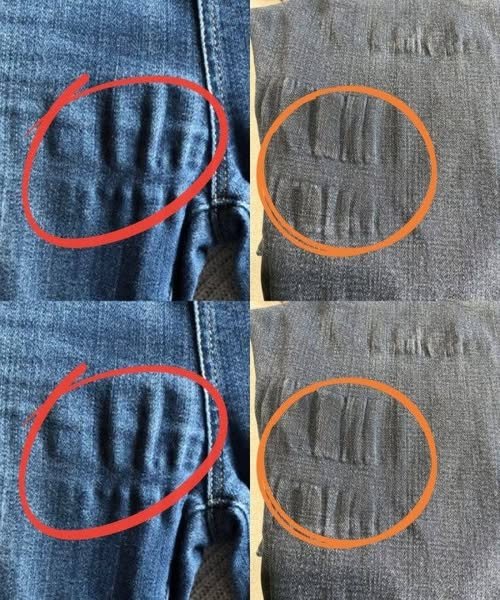
Have you ever pulled your favorite pair of jeans out of the washing machine only to notice strange ripples, wavy lines, or puckered patches across the legs? You’re not alone. These unusual wrinkles can make even expensive denim look worn out or poorly fitted. The good news is that these ripples are usually harmless and, in many cases, preventable.
Understanding why jeans develop these odd textures can help you keep them looking newer for longer. In this guide, we’ll explain the most common causes of denim ripples, how to prevent them, and what you can do if they have already appeared.
What Are Denim Ripples?
Ripples, sometimes called “leg twists,” “puckering,” or “wash lines,” are uneven waves or wrinkles that form in the fabric after washing or drying. They may appear around the thighs, knees, calves, seams, or throughout the entire leg.
Sometimes the ripples disappear after wearing the jeans for a while, while other times they become a permanent part of the fabric’s appearance.
Common Reasons Jeans Develop Ripples
1. Shrinkage After Washing
Cotton is the primary fiber used in most denim. When exposed to warm or hot water, cotton fibers naturally shrink. If different parts of the jeans shrink at different rates, the fabric may develop wavy or uneven areas.
Jeans containing elastane (spandex) or polyester can also shrink unevenly because each fiber reacts differently to heat and moisture.
2. Twisted Fabric Grain
During manufacturing, the denim fabric is cut and sewn along a specific grain. If the fabric isn’t perfectly aligned or shifts during production, washing can cause the legs to twist slightly.
This twisting creates diagonal ripples that become more noticeable after each wash.
3. Heat From the Dryer
High dryer temperatures are one of the biggest causes of denim distortion.
Excessive heat can:
- Shrink cotton fibers
- Stress elastic fibers
- Create permanent wrinkles
- Distort seams
- Cause uneven fabric tension
Air-drying is much gentler on denim.
4. Stretch Denim Relaxing
Modern jeans often contain 1–3% elastane for comfort and flexibility.
During wear, these fibers stretch with your body. After washing, they contract back into place. Sometimes this recovery isn’t perfectly even, leading to temporary ripples or puckering.
5. Overloading the Washing Machine
Stuffing too many clothes into one load prevents jeans from moving freely.
The fabric may become tightly compressed, creating stubborn wrinkles and pressure marks that look like ripples after drying.
6. Poor Manufacturing Quality
Not all denim is made the same.
Lower-quality jeans may have:
- Uneven stitching
- Inconsistent fabric tension
- Poor seam construction
- Lower-quality cotton
These issues become more obvious after repeated washing.
Are Ripples a Sign Your Jeans Are Ruined?
Usually not.
In many cases, ripples are cosmetic rather than structural. The jeans remain perfectly wearable and may smooth out after a few hours of wear.
However, if ripples are accompanied by:
- Loose seams
- Torn stitching
- Fabric thinning
- Permanent twisting
- Large puckered areas
the jeans may have manufacturing defects or excessive wear.
How to Prevent Ripples in Jeans
Keeping denim in good condition starts with proper care.
Wash in Cold Water
Cold water helps preserve fabric shape and minimizes shrinkage.
Turn Jeans Inside Out
This protects the outer surface from friction and helps reduce fading and surface wear.
Use a Gentle Cycle
A gentle wash cycle puts less stress on seams and stretch fibers.
Avoid Overloading
Give your jeans enough room to move freely inside the washer.
Skip High Heat
Heat is one of denim’s biggest enemies.
Whenever possible:
- Air-dry your jeans
- Hang them by the waistband
- Lay them flat if recommended by the manufacturer
Wash Less Frequently
Unlike many garments, jeans don’t need washing after every wear.
Many denim enthusiasts recommend washing only when necessary to preserve both color and fabric structure.
How to Remove Ripples
If your jeans already have ripples, try these methods:
Light Steam
Use a garment steamer or the steam setting on an iron to relax the fibers.
Wear Them
Sometimes body heat and movement naturally smooth temporary ripples.
Damp Drying
If the jeans are slightly damp, gently smooth the fabric with your hands before hanging them to dry.
Iron Carefully
If the care label allows it:
- Use medium heat
- Turn jeans inside out
- Use steam
- Avoid pressing directly over decorative details
Can Premium Jeans Ripple Too?
Yes.
Even high-end denim brands can develop ripples because cotton is a natural fiber. However, better construction and higher-quality fabric generally reduce the likelihood of severe puckering.
Frequently Asked Questions
Is it normal for new jeans to ripple after the first wash?
Yes. New denim often changes slightly after its first wash as the fibers settle into their permanent shape.
Does fabric softener help?
Not necessarily. While fabric softener may make jeans feel softer, it doesn’t prevent ripples and may reduce the performance of stretch fibers over time.
Can hot water permanently damage denim?
Repeated washing in hot water can accelerate shrinkage, fading, and distortion, especially for stretch denim.
Should I dry jeans in the dryer?
If possible, limit dryer use or choose a low-heat setting. Air-drying is generally the best option for preserving the shape and lifespan of your jeans.
Final Thoughts
Weird ripples after washing are a common denim issue and are usually caused by shrinkage, fabric tension, heat, or the natural behavior of cotton and stretch fibers. Fortunately, they rarely mean your jeans are ruined.
By washing jeans in cold water, avoiding high dryer heat, using gentle cycles, and air-drying whenever possible, you can help maintain their shape and appearance for years to come.
With the right care, your favorite pair of jeans can stay comfortable, stylish, and free from unwanted waves after every wash.