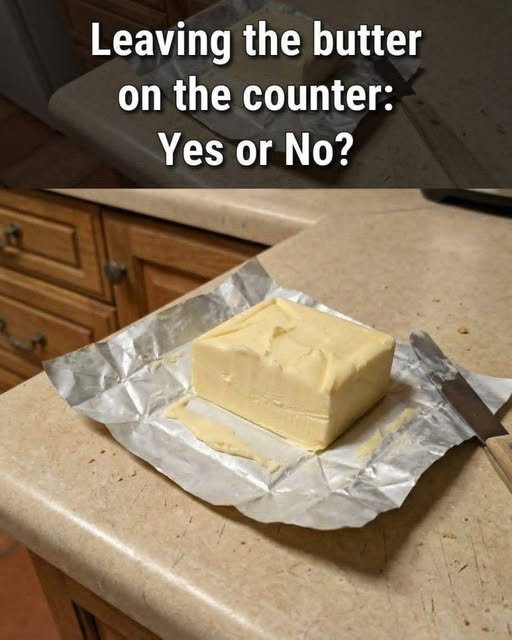
Butter is a kitchen staple in many homes, and plenty of people prefer keeping it on the counter so it’s always soft and easy to spread. But is this practice actually safe? The answer is yes—for most types of butter, under the right conditions.
Here’s what you need to know about storing butter safely at room temperature.
Why Butter Can Stay Out
Unlike milk or cream, butter contains:
- About 80% fat
- Roughly 16–18% water
- Very little protein and sugar
Because it has a low moisture content, bacteria have a harder time growing in butter than in many other dairy products. Salted butter is even more resistant to spoilage because salt helps slow bacterial growth.
How Long Can Butter Stay on the Counter?
For most homes:
- Salted butter: Can usually stay at room temperature for up to 1 week if kept in a covered butter dish and your kitchen remains fairly cool (below about 70°F/21°C).
- Unsalted butter: Best used within 1–2 days at room temperature because it lacks the preservative effect of salt.
If your kitchen is consistently hot, it’s safer to refrigerate butter.
The Best Way to Store Butter
To keep butter fresh:
- Use a clean, covered butter dish or butter crock.
- Keep it away from direct sunlight and heat sources.
- Only leave out the amount you’ll use within a few days.
- Store the remaining butter in the refrigerator or freezer.
Signs Butter Has Gone Bad
Discard butter if you notice:
- A sour or unpleasant smell
- A rancid or bitter taste
- Mold growth
- Significant discoloration
- An oily or sticky surface accompanied by an off odor
If you’re unsure whether it’s still good, it’s safest not to eat it.
What About Butter Crocks?
A butter crock (also called a French butter keeper) uses a small amount of water to create an airtight seal that helps keep butter soft while limiting exposure to air. If you use one:
- Change the water every 2–3 days.
- Wash the crock regularly.
- Follow the manufacturer’s instructions.
Can You Freeze Butter?
Yes. Butter freezes very well.
- Store it in its original packaging or an airtight freezer bag.
- Frozen butter can maintain good quality for 6–12 months.
- Thaw it overnight in the refrigerator before use.
Does Salted Butter Last Longer?
Yes. Salt helps slow spoilage, making salted butter a better choice for countertop storage than unsalted butter.
Who Should Be More Cautious?
It’s best to refrigerate butter if:
- Your home is consistently warm or humid.
- You won’t use the butter within a few days.
- You’re storing whipped, flavored, or compound butters containing herbs, garlic, or other fresh ingredients, which should always be refrigerated.
Final Thoughts
Leaving butter on the counter is generally safe if it’s regular salted butter, kept in a clean covered container, and stored in a cool kitchen. However, unsalted butter should be left out for only a short time, and any butter that develops an off smell, mold, or signs of spoilage should be discarded.
When in doubt, refrigeration is the safest option—and you can always soften refrigerated butter by letting it sit at room temperature for 15–30 minutes before using it.